
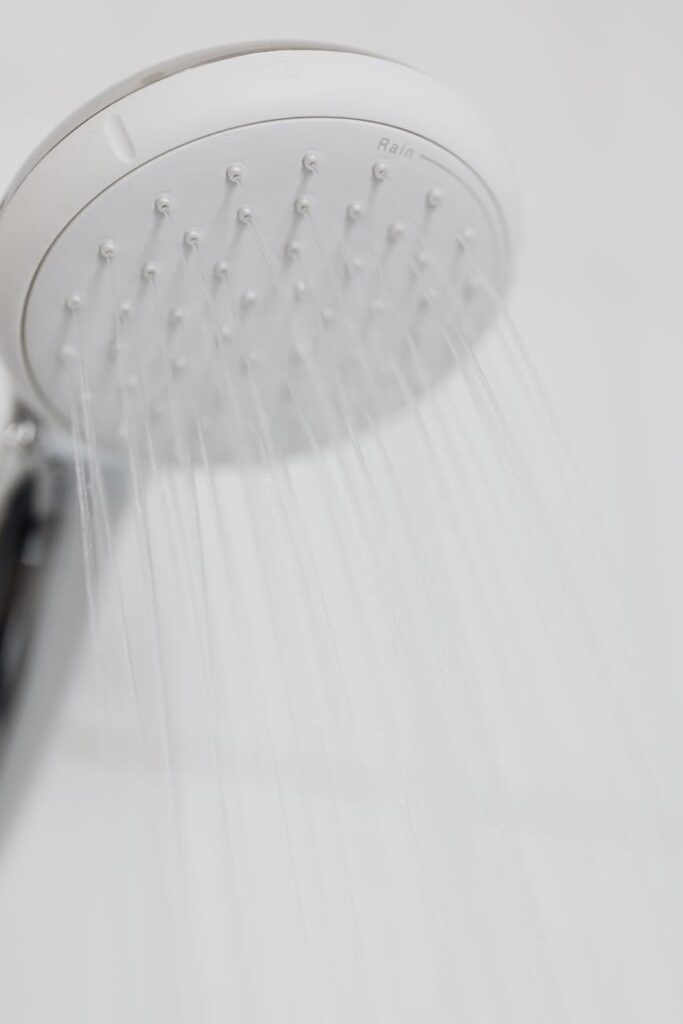
Mouldy Shower Head Cleaning Guide Part 1
Introduction
A mouldy shower head not only looks unsightly but can also affect water flow and quality. Regular cleaning is essential to maintain both the aesthetics and functionality of your shower. This guide will help you identify the causes of mould buildup, provide step-by-step cleaning instructions, and share tips for preventing future growth.
What Causes Mould on Shower Heads?
Mould thrives in damp environments, making your shower head an ideal breeding ground. Factors contributing to mould growth include:
- High Humidity: Bathrooms often have high humidity levels, particularly during and after showers.
- Poor Air Circulation: Lack of ventilation can trap moisture in the air.
- Hard Water: Minerals in hard water can accumulate and provide a surface for mould to grow.
- Neglected Cleaning: Infrequent cleaning allows mould to establish itself.
- White vinegar
- Baking soda
- A spray bottle
- An old toothbrush or soft-bristled brush
- A plastic bag (if needed)
- Rubber gloves (optional)
- Not Soaking Long Enough: Rushing the soaking time can lead to ineffective cleaning.
- Using Abrasive Cleaners: Avoid harsh chemicals and scrubbers that can scratch the surface.
- Neglecting Regular Maintenance: Infrequent cleaning allows mould to re-establish itself quickly.
- Ignoring the Shower Environment: Failing to address humidity and ventilation can lead to recurrent mould issues.
Understanding these causes can help you tackle the problem effectively.
Why This Problem Happens
Mould on shower heads is primarily a result of moisture and organic material. When water evaporates, it leaves behind minerals and soap scum, creating an environment conducive to mould growth. If not addressed, this can lead to more significant issues, including reduced water flow and potential health concerns.
How to Fix Mouldy Shower Heads (Step-by-Step)
Step 1: Gather Your Supplies
Before you start cleaning, gather the following items:
Step 2: Prepare the Vinegar Solution
1. Pour equal parts of white vinegar and water into a spray bottle.
2. Shake gently to mix.
Step 3: Spray and Soak
1. Remove the Shower Head (if possible): If your shower head can be unscrewed, take it off for a thorough cleaning.
2. Spray the Solution: Generously spray the vinegar solution on the shower head, focusing on the areas with visible mould.
3. Let It Soak: Allow the solution to sit for at least 15-30 minutes. For stubborn mould, let it sit for an hour.
Step 4: Scrub
1. Use a Brush: After soaking, use an old toothbrush or soft-bristled brush to scrub the shower head, paying close attention to crevices.
2. Baking Soda Boost: For extra scrubbing power, sprinkle some baking soda on the brush before scrubbing. This will help lift stubborn mould.
Step 5: Rinse Thoroughly
1. Rinse with Warm Water: If you removed the shower head, rinse it under warm running water.
2. Reattach the Shower Head: If you took it off, reattach it securely.
Step 6: Final Wipe Down
1. Wipe with a Clean Cloth: Use a clean cloth to wipe down the surface, ensuring no vinegar or baking soda residue remains.
Step 7: Run the Water
1. Turn on the Shower: Let the water run for a minute to flush out any remaining debris and check for proper water flow.
Best Cleaning Methods
While the vinegar and baking soda method is effective, here are other options:
1. Hydrogen Peroxide: Mix equal parts of hydrogen peroxide and water. This solution can kill mould spores effectively.
2. Commercial Mould Cleaners: Look for non-toxic mould removers available in stores. Always follow the manufacturer’s instructions.
3. Lemon Juice: The acidity in lemon juice can help break down mould and is a natural disinfectant.
Common Mistakes to Avoid
Prevention Tips
1. Ventilate Your Bathroom: Use an exhaust fan or open a window to reduce humidity after showers.
2. Wipe Down Surfaces: After each shower, quickly wipe the shower head and surrounding areas with a towel.
3. Regular Cleaning Schedule: Clean your shower head at least once a month to prevent mould buildup.
4. Install a Water Softener: If you have hard water, consider installing a water softener to reduce mineral deposits.
Frequently Asked Questions
1. How often should I clean my shower head?
Aim for at least once a month, but if you notice mould or mineral buildup sooner, clean it immediately.
2. Can I use bleach to clean my shower head?
While bleach can kill mould, it can also damage some shower head finishes. Stick to vinegar or baking soda for safer options.
3. Does hard water cause more mould?
Yes, hard water leaves mineral deposits that can provide a surface for mould growth, making it essential to clean regularly.
4. What if the mould doesn’t come off?
If mould persists after cleaning, consider soaking the shower head in a vinegar solution overnight.
5. Is it safe to use commercial mould cleaners?
Always read labels and follow instructions. Look for non-toxic options to minimize health risks.
6. Can I prevent mould without cleaning?
Prevention strategies like proper ventilation and regular maintenance are crucial, but cleaning is still necessary to combat existing mould.
By following this cleaning guide, you can easily tackle the issue of a mouldy shower head and keep your bathroom fresh and hygienic. Regular maintenance and prevention will save you time and hassle in the long run.