
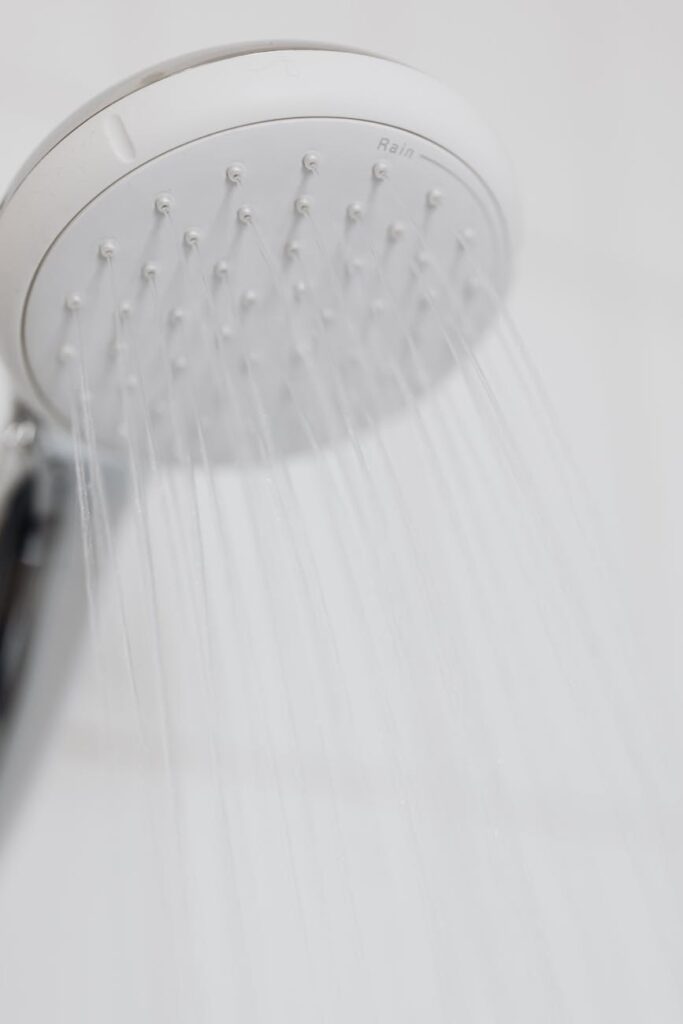
Mouldy Shower Head Bathroom Guide Part 1
Introduction
A mouldy shower head can turn your daily cleansing ritual into a breeding ground for bacteria and unpleasant odors. Not only does it look unappealing, but it can also affect your water quality and overall bathroom hygiene. This guide will walk you through the causes of mould build-up, how to effectively clean your shower head, and how to prevent it from returning.
What Causes Mould in the Bathroom?
Mould thrives in damp, warm environments, making bathrooms a prime location for growth. The primary factors contributing to mould on shower heads include:
- High Humidity: Bathrooms are often humid due to hot showers and limited ventilation.
- Stagnant Water: Water that collects in the shower head can create a perfect environment for mould and mildew.
- Organic Matter: Soap scum, hair, and skin cells can provide nutrients for mould growth.
- Poor Ventilation: If your bathroom lacks adequate airflow, humidity levels can rise, promoting mould growth.
- Infrequent Cleaning: Regular cleaning prevents the accumulation of soap scum and grime, which can contribute to mould.
- Old or Damaged Fixtures: Cracks or imperfections in the shower head can trap moisture and organic matter.
- A plastic bag
- White vinegar or a commercial descaling solution
- An old toothbrush
- A soft cloth
- Rubber bands or string (optional)
Understanding these causes will help you tackle the problem effectively.
Why This Problem Happens
Mould forms when spores settle in a suitable environment. In the case of a shower head, it can happen due to:
Identifying the root cause will help you address the issue more effectively.
How to Fix Mouldy Shower Head (Step-by-Step)
Cleaning your shower head doesn’t need to be a daunting task. Follow these simple steps to remove mould effectively:
Step 1: Gather Your Supplies
You will need:
Step 2: Remove the Shower Head (Optional)
If your shower head is detachable, remove it for easier cleaning. If not, you can still clean it in place.
Step 3: Soak the Shower Head
1. Fill a Plastic Bag: Pour enough white vinegar or descaling solution into a plastic bag to submerge the shower head.
2. Attach the Bag: Secure the bag around the shower head using rubber bands or string.
3. Let It Soak: Allow it to sit for at least 30 minutes to an hour. For heavy mould, leave it longer.
Step 4: Scrub the Shower Head
1. Remove the Bag: Carefully take the bag off and dispose of the vinegar or solution.
2. Scrub: Use an old toothbrush to scrub any remaining mould, focusing on nozzles and crevices.
3. Rinse: Rinse the shower head thoroughly under hot water to remove any remaining solution.
Step 5: Reattach and Test
If you removed the shower head, reattach it, then turn on the water to flush out any remaining debris.
Best Cleaning Methods
Several effective methods can help you clean a mouldy shower head:
1. Vinegar Solution
White vinegar is a natural disinfectant. It effectively breaks down mineral deposits and mould.
2. Baking Soda Paste
Mix baking soda with water to create a thick paste. Apply this to the mouldy areas, let it sit for 15-20 minutes, then scrub.
3. Commercial Products
If mould is particularly stubborn, consider using a commercial mould remover or descaling product. Ensure it’s safe for your shower head material.
Common Mistakes to Avoid
Avoid the following pitfalls when cleaning your shower head:
1. Not Soaking Long Enough
If you don’t allow the shower head to soak long enough in vinegar or a cleaning solution, it may not effectively break down mould and mineral deposits.
2. Using Abrasive Cleaners
Avoid using abrasive cleaners or scrubbers that can scratch your shower head’s surface, leading to further build-up.
3. Neglecting Regular Maintenance
Cleaning your shower head only when it becomes visibly dirty can lead to more significant problems. Regular maintenance is key.
Prevention Tips
Preventing mould from returning is easier than you might think. Here are some practical tips:
1. Improve Ventilation
Ensure your bathroom has proper ventilation. Use exhaust fans during and after showers, or keep a window open when possible.
2. Wipe Down Surfaces
After each shower, take a moment to wipe down the shower head and walls with a soft cloth to remove excess moisture.
3. Use a Squeegee
Using a squeegee on your shower walls and fixtures can help reduce water spots and mould-friendly moisture.
4. Regular Cleaning Schedule
Establish a monthly cleaning schedule to keep mould at bay. Regular maintenance makes future cleanings easier.
Frequently Asked Questions (FAQs)
1. How often should I clean my shower head?
Aim to clean your shower head at least once a month to prevent mould build-up.
2. Can I use bleach to clean my shower head?
While bleach can kill mould, it may damage certain materials. Stick with vinegar or commercial cleaners designed for the shower.
3. What if the mould is inside the shower head?
If you suspect mould is inside the shower head, soaking it in vinegar or a descaling solution is still effective. If the problem persists, consider replacing it.
4. What if my shower head is still clogged after cleaning?
If the shower head remains clogged, it may require a deeper cleaning or replacement. Try using a needle to poke through the nozzles.
5. Is it safe to use essential oils for cleaning?
Some essential oils have antibacterial properties, but ensure they are diluted properly. Test any new cleaning method on a small area first.
6. Can I prevent mould without chemicals?
Yes, regular cleaning and maintenance, combined with natural solutions like vinegar and baking soda, can prevent mould without harsh chemicals.
By following the steps outlined in this guide, you can effectively tackle the issue of a mouldy shower head and keep your bathroom fresh and clean. In Part 2, we will delve into advanced cleaning techniques and solutions for persistent mould problems.