
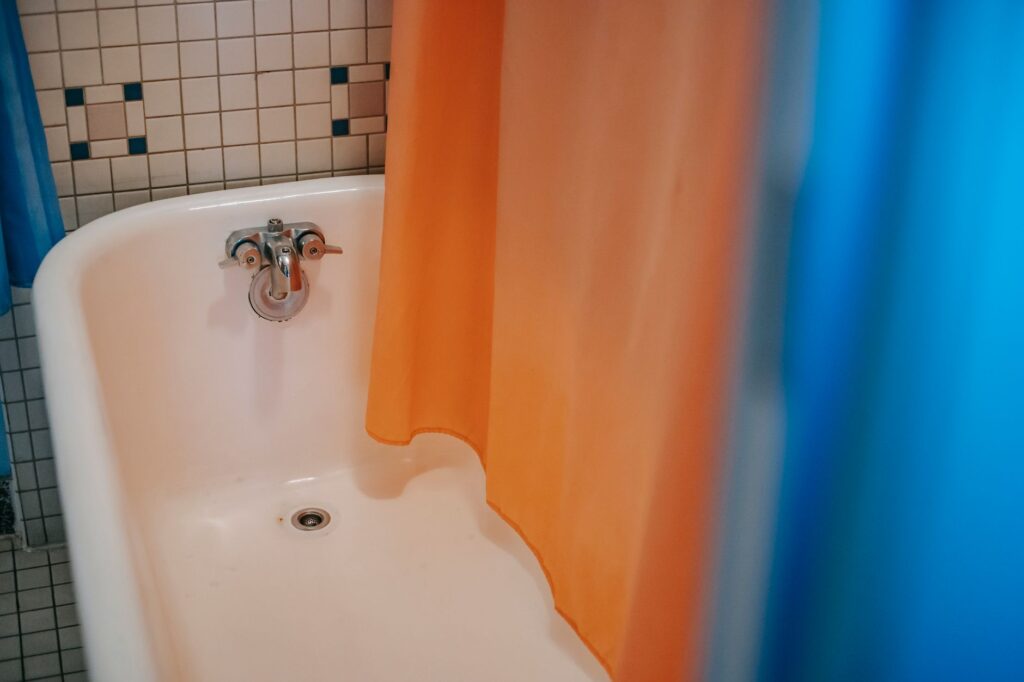
Mouldy Shower Curtain: Mould & Damp Guide Part 2
Introduction
A mouldy shower curtain can turn your tranquil bathing space into a damp and unsightly environment. Not only is it unpleasant to look at, but it can also pose potential cleaning challenges. In this guide, we’ll explore the causes of mould and dampness, how to effectively clean your shower curtain, and tips to prevent future mould growth.
What Causes Mould & Damp?
Mould thrives in environments that are warm, damp, and poorly ventilated. The bathroom, specifically the shower area, is a breeding ground for mould due to:
1. High Humidity: Showers produce steam, raising humidity levels and creating ideal conditions for mould growth.
2. Inadequate Ventilation: Poor airflow allows moisture to linger, contributing to dampness.
3. Water Accumulation: Water droplets that remain on the curtain after use can lead to mould.
4. Organic Materials: Shower curtains made from fabric or natural materials can provide food sources for mould spores.
Why This Problem Happens
Understanding why your shower curtain becomes mouldy is crucial for effective cleaning and prevention. When you use your shower, the heat and moisture create a microclimate that encourages mould spores to settle and grow. If you leave your curtain bunched up or do not allow it to dry properly, you create a perfect environment for mould.
Moreover, certain types of shower curtains, especially those made from fabric, are more susceptible to mould growth than vinyl or plastic options.
How to Fix Mould & Damp (Step-by-Step)
Step 1: Remove the Shower Curtain
Carefully take down the shower curtain from the rod. If it has a liner, remove it as well. Gather any hooks or rings for cleaning.
Step 2: Shake Off Loose Dirt
Take the curtain outside and give it a good shake to remove any loose dirt or debris. This will make the cleaning process easier.
Step 3: Pre-Treat Stains
Use a mixture of white vinegar and water (1:1 ratio) to pre-treat any visible mould stains. Spray the solution directly onto the affected areas and let it sit for about 15 minutes.
Step 4: Wash the Curtain
Check the care label on your shower curtain. Most fabric shower curtains can be washed in a washing machine. Use hot water and add a cup of baking soda to the detergent. For vinyl curtains, use a soft sponge and a mix of mild soap and water instead.
Step 5: Rinse Thoroughly
After washing, rinse the curtain thoroughly to remove any soap or cleaning agents. Ensure that all the vinegar and detergent residues are washed away.
Step 6: Dry Completely
Hang the curtain back up to dry. Make sure it’s fully extended and not bunched up so that air can circulate around it. If possible, let it dry outside in the sun, as UV rays help kill any remaining mould spores.
Best Cleaning Methods
1. Vinegar and Baking Soda: A powerful combination that helps eliminate mould. Vinegar kills mould spores, while baking soda acts as a gentle scrub.
2. Bleach Solution: If the mould is persistent, a diluted bleach solution (1 cup of bleach to 1 gallon of water) can be effective. However, test a small area first, as bleach can damage some fabrics.
3. Commercial Mould Cleaners: For stubborn cases, consider using commercial mould removers. Always follow the instructions on the label.
4. Washing Machine: For fabric curtains, washing them on a hot cycle with a mix of detergent and baking soda can be very effective.
Common Mistakes to Avoid
1. Not Pre-Treating: Skipping the pre-treatment step can lead to stubborn stains remaining after washing.
2. Using Cold Water: Cold water may not effectively kill mould spores. Always use hot water for washing.
3. Overloading the Washing Machine: If you have too many items in the wash, the cleaning process may not be effective.
4. Ignoring the Liner: If you have a liner, don’t forget to clean it as well. It’s just as susceptible to mould growth.
5. Not Regularly Cleaning: Avoid the mindset that cleaning is a one-off event. Make it a routine to check and clean your curtain regularly.
Prevention Tips
1. Ventilate After Use: Always run the bathroom fan or open a window after a shower to reduce humidity.
2. Use a Squeegee: Wipe down the curtain with a squeegee after each use to remove excess water.
3. Choose Mould-Resistant Curtains: When purchasing a new curtain, look for options labeled as mould-resistant or made from moisture-wicking materials.
4. Keep the Bathroom Dry: Wipe down surfaces regularly to keep the bathroom as dry as possible.
5. Regular Cleaning Routine: Consider cleaning your shower curtain at least once a month to prevent mould build-up.
Frequently Asked Questions
1. How often should I clean my shower curtain?
Aim to clean your shower curtain at least once a month to prevent mould build-up.
2. Can I put my shower curtain in the dryer?
It’s best to air dry your shower curtain to avoid damage. If it’s machine washable, check the care label for drying instructions.
3. What’s the best way to store my shower curtain when not in use?
Store it in a dry, cool place, and avoid rolling or bunching it up to prevent dampness.
4. Can I use essential oils to prevent mould?
Certain essential oils, like tea tree oil, have anti-fungal properties. Adding a few drops to your cleaning solution can help prevent mould.
5. Is it safe to use bleach on my shower curtain?
While bleach can effectively remove mould, it may damage some fabrics. Always test a small area first.
6. What should I do if the mould keeps coming back?
If mould continues to return, reassess your bathroom’s ventilation, humidity levels, and cleaning routine. You may also need to replace your shower curtain if it has become too damaged.
By following these practical steps and tips, you can maintain a clean and mould-free shower curtain, ensuring your bathroom remains a pleasant and healthy space.