
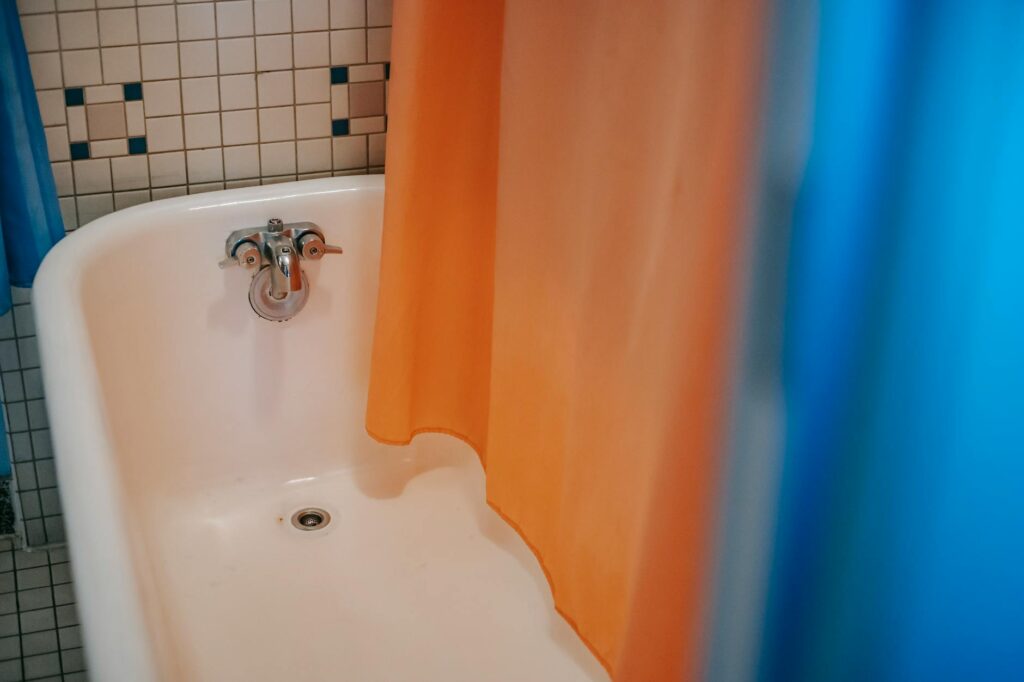
Mouldy Shower Curtain Mould & Damp Guide Part 1
Introduction
A mouldy shower curtain is more than just an eyesore; it can indicate larger damp issues in your home. Understanding and addressing mould and damp in your bathroom is crucial for maintaining a healthy living environment. In this guide, we will explore the causes of mould and damp, how to effectively clean your shower curtain, and tips to prevent future growth.
What Causes Mould & Damp?
Mould thrives in moist environments, making bathrooms a prime location. Here are the main contributors to mould and damp on shower curtains:
1. High Humidity: Showers create steam, raising humidity levels.
2. Poor Ventilation: Lack of airflow traps moisture in your bathroom.
3. Water Accumulation: Leaks or spills can lead to excessive water on the curtain.
4. Organic Materials: Cotton or fabric shower curtains provide an ideal surface for mould spores.
Why This Problem Happens
Understanding the underlying issues can help you address mould and damp effectively:
- Steam from Showers: The steam produced during hot showers condenses on cooler surfaces, including your shower curtain.
- Infrequent Cleaning: Regular maintenance is key. Skipping cleanings allows mould to establish itself.
- Old or Damaged Curtains: Worn-out materials can absorb more moisture and are harder to clean.
- Take Down the Curtain: Carefully remove the curtain from the rod. If it’s a vinyl curtain, it may be easier to clean than fabric.
- Mix the Solution: Combine one part white vinegar with one part water in a spray bottle. Alternatively, you can use a mixture of baking soda and water to form a paste.
- Spray or Apply: Generously spray the vinegar solution on the affected areas or apply the baking soda paste directly to mould spots. Allow it to sit for 15-30 minutes.
- Use a Soft Brush: Gently scrub the curtain with a soft brush or sponge. Focus on areas with visible mould.
- Rinse with Water: Rinse the curtain with warm water to remove all cleaning agents and mould residue.
- Hang to Dry: Hang the curtain back on the rod to dry. Ensure it’s fully extended to allow air circulation.
How to Fix Mould & Damp (Step-by-Step)
Follow these step-by-step instructions to clean your mouldy shower curtain effectively:
Step 1: Remove the Curtain
Step 2: Prepare the Cleaning Solution
Step 3: Apply the Solution
Step 4: Scrub the Curtain
Step 5: Rinse Thoroughly
Step 6: Dry Properly
Best Cleaning Methods
Different materials require different cleaning methods. Here are some effective techniques:
For Fabric Shower Curtains
1. Machine Wash: Many fabric curtains can be washed in the machine. Use hot water and add a cup of white vinegar or baking soda to the wash cycle.
2. Hand Wash: For delicate fabrics, hand wash using a gentle detergent and warm water.
For Vinyl Shower Curtains
1. Spray and Wipe: Use a vinegar solution to spray and wipe down the surface.
2. Soak: If heavily soiled, soak the curtain in a bathtub filled with water and vinegar for 30 minutes before scrubbing.
Common Mistakes to Avoid
To effectively manage mould and damp, avoid these common pitfalls:
1. Neglecting Regular Cleaning: Skipping cleanings can lead to significant mould growth.
2. Using Harsh Chemicals: Avoid bleach, as it can damage fabrics and may not effectively kill mould spores.
3. Leaving Curtains Crumpled: Always hang the curtain to dry fully to prevent moisture accumulation.
Prevention Tips
Avoiding mould and damp is easier than cleaning it up. Here are some proactive measures:
1. Increase Ventilation: Use an exhaust fan or open windows to reduce humidity.
2. Wipe Down Surfaces: After each shower, quickly wipe down the shower curtain and tiles to remove excess moisture.
3. Use a Squeegee: A squeegee can help remove water from the walls and curtain after use.
4. Choose Mould-Resistant Curtains: Consider purchasing mould-resistant shower curtains for added protection.
Frequently Asked Questions
1. How often should I clean my shower curtain?
Aim to clean your shower curtain every month to prevent mould buildup.
2. Can I use bleach to clean mould from my shower curtain?
It’s best to avoid bleach, as it can damage fabrics and may not effectively kill all mould spores.
3. What if the mould doesn’t come off?
If stains persist, consider replacing the shower curtain. Heavy mould infestations may not be fully removable.
4. Are there any products specifically designed for mould removal?
Yes, look for commercial mould removers that are safe for your shower curtain material.
5. How can I tell if my bathroom has a damp problem?
Signs include a musty smell, visible mould, or peeling paint. If you suspect significant damp issues, consult a professional.
6. Can I prevent mould without cleaning?
While cleaning is essential, preventive measures like improving ventilation and moisture control are crucial in reducing mould risk.
By following this guide, you can tackle mould and damp on your shower curtain and keep your bathroom a clean, healthy space. Remember that regular maintenance is key to preventing future issues. Stay vigilant, and don’t hesitate to address any signs of mould promptly.