
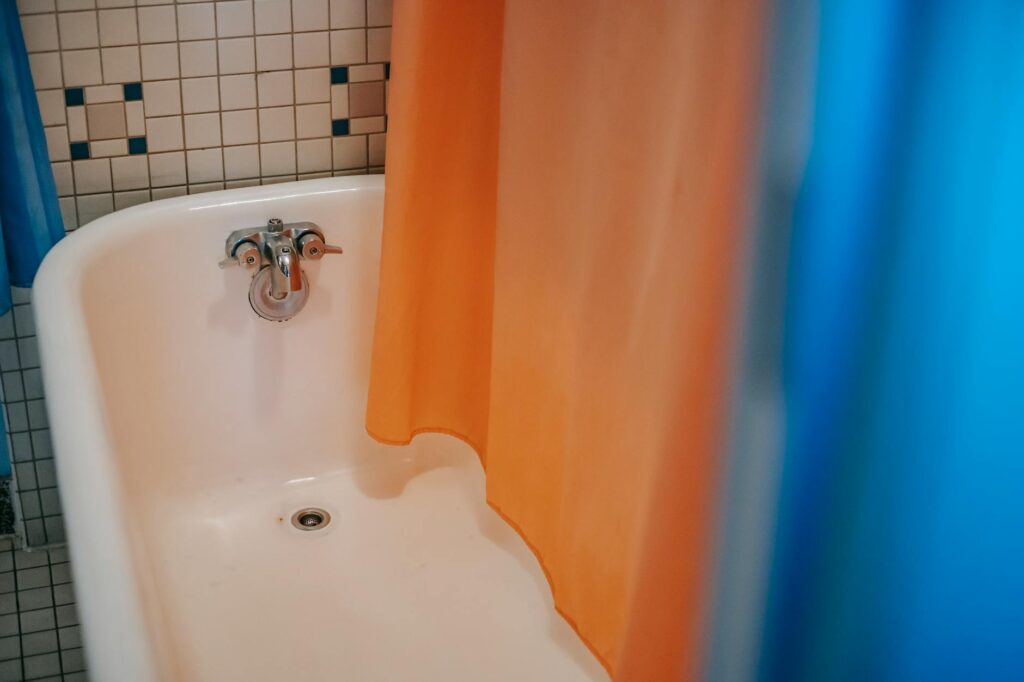
Mouldy Shower Curtain Bathroom Guide Part 1
Introduction
A mouldy shower curtain can turn your bathroom from a relaxing retreat into an unsightly and unhygienic space. Not only does it look unappealing, but it can also harbor allergens and bacteria. This guide will help you understand the causes of mould, how to effectively clean your shower curtain, and offer tips to prevent mould from returning.
What Causes Bathroom Mould?
Mould thrives in damp, warm environments—perfect conditions often found in bathrooms. Here are the main contributors:
- High Humidity: Showers create steam, raising humidity levels and promoting mould growth.
- Poor Ventilation: Bathrooms without proper airflow trap moisture, allowing mould to flourish.
- Lack of Cleaning: Infrequent cleaning leads to build-up, creating a perfect home for mould spores.
- Moisture Retention: Shower curtains retain water, especially if they are not fully drawn open after use.
- Material Composition: Certain materials, like fabric, are more prone to mould than others like vinyl or plastic.
- Temperature Fluctuations: Changes in temperature can create condensation, enhancing moisture levels.
- Baking soda
- White vinegar
- Mild detergent
- A sponge or scrub brush
- Washing machine (if applicable)
- Bucket (for manual cleaning)
- Mix equal parts white vinegar and water in a spray bottle.
- Spray the affected areas and let it sit for about 10 minutes.
- Place the curtain in the washing machine along with a few towels (to prevent it from crumpling).
- Add a cup of baking soda and a small amount of mild detergent.
- Use a gentle cycle with cold water.
- Fill a bucket with warm water, add mild detergent and 1/2 cup of white vinegar.
- Submerge the curtain and use a sponge or scrub brush to scrub away mould.
- Rinse thoroughly with clean water.
- Vinegar and Baking Soda: Use a mixture of vinegar and baking soda for stubborn mould.
- Gentle Cycle Wash: Always wash on a gentle cycle to prevent damage.
- Bleach Solution: For tough stains, a diluted bleach solution (1 part bleach to 10 parts water) can be effective. Rinse thoroughly afterward.
- Dish Soap and Water: A simple mix of dish soap and warm water works well for regular cleaning. Wipe down with a cloth.
- Skipping Regular Cleaning: Allowing mould to build up makes future cleaning more difficult.
- Using Harsh Chemicals: Strong cleaning agents can damage the curtain material and may not be necessary.
- Not Following Care Instructions: Always adhere to the manufacturer’s cleaning guidelines to extend the life of your shower curtain.
- Improve Ventilation: Use an exhaust fan or open a window while showering to reduce humidity.
- Wipe Down Surfaces: After each shower, wipe down the curtain and surrounding areas with a squeegee or towel.
- Use a Mould-Resistant Curtain: Consider investing in a mould-resistant shower curtain for added protection.
- Keep the Bathroom Dry: Regularly check for leaks and dry any wet surfaces promptly.
Why This Problem Happens
Understanding why mould appears on your shower curtain is crucial for effective cleaning and prevention:
How to Fix Bathroom Mould (Step-by-Step)
Cleaning a mouldy shower curtain is straightforward. Here’s how to do it:
Step 1: Gather Your Supplies
You’ll need:
Step 2: Remove the Curtain
Carefully take down the shower curtain, removing any hooks or rings. Check the care label for specific washing instructions.
Step 3: Pre-Treat Stains
If your shower curtain is heavily stained, pre-treat the mouldy areas:
Step 4: Wash the Curtain
Machine Wash Method:
Hand Wash Method:
Step 5: Dry the Curtain
Hang the curtain to air dry. Avoid using a dryer, as high heat can damage certain materials. Ensure it’s fully dry before putting it back up.
Best Cleaning Methods
Here are some effective cleaning methods for different types of shower curtains:
Fabric Shower Curtains
Vinyl Shower Curtains
Plastic Shower Curtains
Common Mistakes to Avoid
When cleaning your shower curtain, avoid these pitfalls:
Prevention Tips
Preventing mould from returning is just as important as cleaning. Here are some practical tips:
Frequently Asked Questions
1. How often should I clean my shower curtain?
Aim to clean your shower curtain every 2-4 weeks to prevent mould build-up.
2. Can I use bleach on my fabric shower curtain?
It’s best to avoid bleach on fabric curtains, as it can damage the material. Opt for vinegar or baking soda instead.
3. What if the mould won’t come off?
If mould persists after cleaning, consider replacing the curtain, especially if it’s fabric.
4. How can I tell if my shower curtain is mould-resistant?
Check the label or product description when purchasing. Look for terms like “mould-resistant,” “waterproof,” or “antimicrobial.”
5. Is it safe to wash my shower curtain with other laundry?
Yes, wash your shower curtain with towels or other items that can handle a gentle cycle. Avoid mixing with delicate items.
6. What should I do if I notice mould on the bathroom walls?
For mould on walls, scrub with a mixture of vinegar and water. If it’s extensive, consider consulting a professional.
By following these guidelines, you can keep your shower curtain clean and free from mould, ensuring your bathroom remains a welcoming and healthy space.