
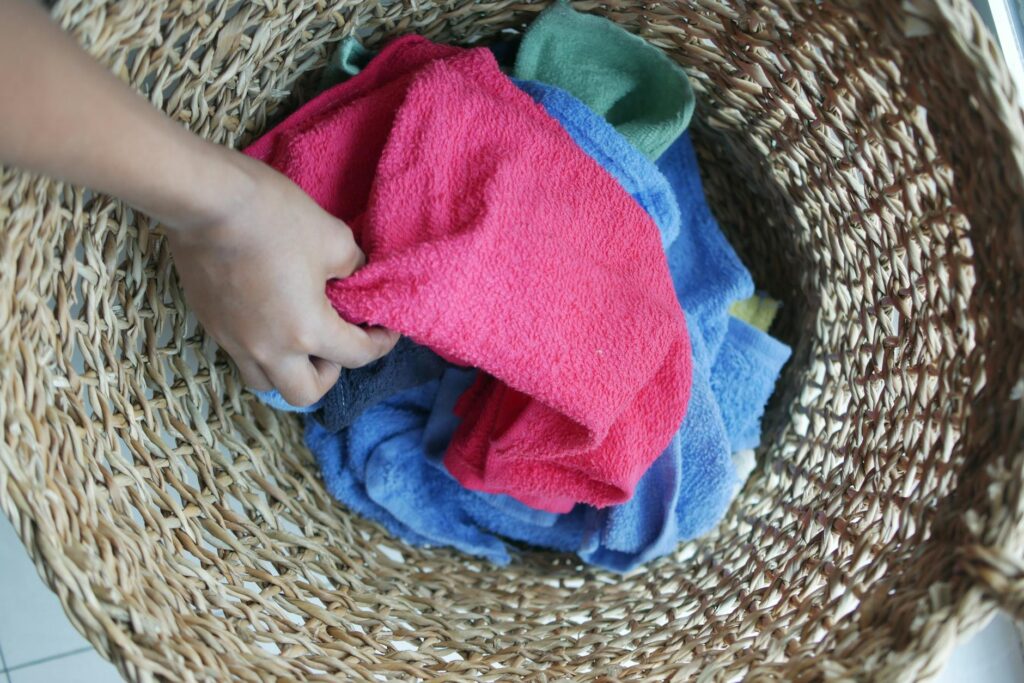
Mouldy Laundry Basket Mould & Damp Guide Part 1
Introduction
Finding mould in your laundry basket can be alarming. Not only is it unsightly, but it can also lead to unpleasant odours and potential damage to your clothes. This guide will help you understand the causes of mould and damp in your laundry basket, how to effectively clean it, and how to prevent it from happening again.
What Causes Mould & Damp?
Mould thrives in moist environments. In the case of your laundry basket, several factors contribute to mould growth:
1. Moisture: Wet or damp clothes left in the basket create the perfect breeding ground for mould.
2. Poor Ventilation: Lack of airflow allows moisture to linger, promoting mould growth.
3. Warm Temperatures: Mould grows faster in warm environments, especially in a closed laundry basket.
4. Organic Material: Besides moisture, mould feeds on organic materials like lint, skin cells, and detergent residues.
Understanding these factors is key to tackling the problem effectively.
Why This Problem Happens
Laundry baskets often become a hotspot for mould due to our daily habits. Here are common reasons why mould and damp can develop:
- Delayed Laundry: Leaving wet or dirty clothes in the basket for extended periods can trap moisture.
- Infrequent Cleaning: Many people forget to clean their laundry baskets regularly, allowing dirt and moisture to accumulate.
- Improper Basket Type: Plastic or non-breathable materials can trap moisture more than other types.
- Weather Conditions: Humid weather can exacerbate the problem, especially if the laundry is done indoors.
- Rubber gloves
- A mask (to avoid inhaling spores)
- Scrub brush or sponge
- White vinegar or baking soda
- Water
- Bucket
- Microfiber cloth
- Optional: Essential oils (like tea tree or lavender) for fragrance
- Using Too Much Water: Excess water can linger and promote further mould growth.
- Not Wearing Protective Gear: Always wear gloves and a mask to protect yourself from mould spores.
- Skipping the Drying Step: Failing to dry the basket completely can lead to mould returning quickly.
- Ignoring the Surroundings: Clean the area around the basket, as mould spores can spread to nearby surfaces.
Recognizing these habits can help you address the root cause of the mould.
How to Fix Mould & Damp (Step-by-Step)
Cleaning a mouldy laundry basket can be straightforward. Follow these steps:
Step 1: Gather Supplies
You will need:
Step 2: Empty the Basket
Remove all laundry from the basket. Shake it out to dislodge any loose debris. If there are heavily soiled items, wash them separately.
Step 3: Prepare Cleaning Solution
For a natural cleaning solution, mix equal parts of white vinegar and water in a bucket. If you prefer baking soda, mix 1 cup of baking soda with 1 quart of water. Both solutions are effective at killing mould.
Step 4: Scrub the Basket
Dip your scrub brush or sponge into the solution. Scrub the entire inside and outside of the basket, focusing on areas with visible mould. Be sure to apply extra pressure on stubborn spots.
Step 5: Rinse Thoroughly
After scrubbing, rinse the basket with clean water to remove any remaining cleaning solution and mould residue.
Step 6: Dry Completely
Use a microfiber cloth to wipe down the basket. Then, allow it to air dry in a well-ventilated area. Avoid closing it until it is completely dry.
Best Cleaning Methods
Different cleaning methods can be effective against mould. Here are some recommended ones:
1. Vinegar Solution: A natural disinfectant that kills up to 82% of mould species.
2. Baking Soda Paste: Combine baking soda with a little water to create a paste. Apply it to mouldy areas and scrub after letting it sit for a while.
3. Bleach Solution: For severe mould cases, a diluted bleach solution (1 cup of bleach per gallon of water) can be effective. However, be cautious as bleach can damage some materials.
Common Mistakes to Avoid
When cleaning your mouldy laundry basket, avoid these common pitfalls:
Prevention Tips
Preventing mould from returning to your laundry basket is crucial. Here are some effective tips:
1. Empty Regularly: Don’t leave clothes in the basket for too long, especially if they are damp.
2. Ventilation: Store the laundry basket in a well-ventilated area to reduce moisture buildup.
3. Choose the Right Basket: Opt for a laundry basket made of breathable materials, like wicker or mesh.
4. Use Essential Oils: Add a few drops of essential oil to your laundry basket to help deter mould.
5. Regular Cleaning: Clean your laundry basket at least once a month to keep it mould-free.
Frequently Asked Questions
1. Can I use fabric softener in my laundry basket cleaning?
No, fabric softener is not a cleaning agent and can leave residues that promote mould growth.
2. How often should I clean my laundry basket?
Aim to clean your laundry basket at least once a month, or more frequently if you notice dampness or mould.
3. Is it safe to wash mouldy clothes?
Yes, but wash mouldy clothes separately using hot water and a strong detergent to kill any mould spores.
4. What if the mould keeps returning?
If mould continues to return, reassess your laundry habits and storage conditions. You may also want to consider replacing the basket.
5. Can I use a commercial mould remover?
Yes, commercial mould removers can be effective, but always follow the manufacturer’s instructions and ensure proper ventilation while using.
6. Are there any specific laundry baskets that are mould-resistant?
Some laundry baskets are made from materials treated to resist mould. Look for breathable, moisture-wicking fabrics or synthetic materials designed to deter mould growth.
By following this guide, you can effectively tackle mould and damp in your laundry basket and prevent future issues, ensuring a cleaner and healthier home environment.