
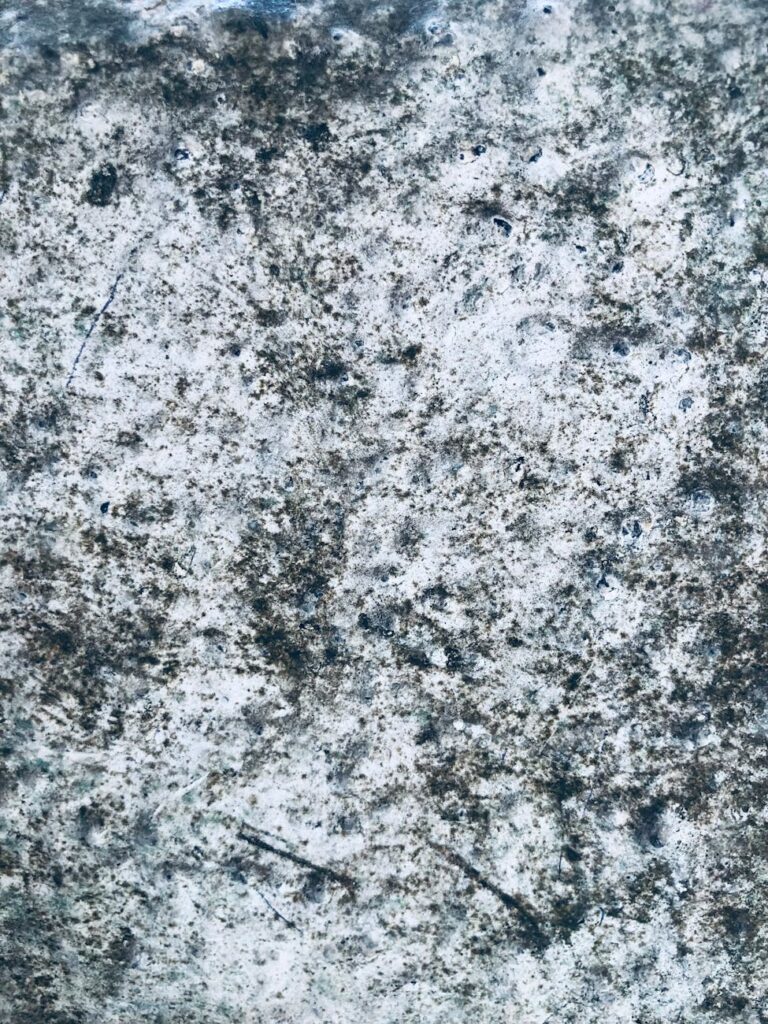
Mould on Clothes Cleaning Guide Part 1
Introduction
Mould on clothes is a common issue that can arise from various factors such as humidity, improper storage, or neglecting to dry clothes thoroughly. This guide will help you understand the causes of mould, how to effectively remove it, and ways to prevent it from returning. Whether you’re dealing with a few stubborn spots or a full-blown infestation, you’ll find practical solutions here.
What Causes Mould on Clothes?
Mould thrives in damp, warm environments. The most common causes of mould on clothes include:
1. High Humidity: Areas with high moisture levels create an ideal breeding ground for mould spores.
2. Poor Air Circulation: Storing clothes in dark, cramped spaces without ventilation can trap moisture.
3. Wet Clothes: Leaving damp clothes in a basket or not drying them properly can lead to mould growth.
4. Long Storage Periods: Clothes stored for extended periods, especially in basements or attics, may develop mould.
5. Organic Materials: Clothes made from natural fibers, such as cotton and wool, are more susceptible to mould.
Why This Problem Happens
Understanding why mould develops is crucial for effective cleaning and prevention. The combination of moisture, warmth, and organic material creates a perfect environment for mould spores to settle and thrive. When clothes are packed tightly in a closet or left damp, the lack of airflow exacerbates the problem. Furthermore, if mould spores are present in the air, they can easily latch onto your clothing, especially in humid conditions.
How to Fix Mould on Clothes (Step-by-Step)
Removing mould from clothes requires a methodical approach. Here’s how to do it:
Step 1: Identify Affected Areas
Inspect your clothes closely. Look for visible signs of mould, which can appear as dark spots or fuzzy patches.
Step 2: Take Precautions
Wear gloves and a mask to protect yourself from mould spores. Work in a well-ventilated area to avoid inhaling any dust or spores.
Step 3: Prepare Your Cleaning Solution
Choose a cleaning solution based on the fabric type:
- For whites: Mix 1 cup of bleach with 1 gallon of water.
- For colors: Use white vinegar or hydrogen peroxide. Mix 1 part vinegar or hydrogen peroxide with 4 parts water.
Step 4: Treat the Affected Areas
1. Bleach Solution: Soak the affected area for about 10-15 minutes, then scrub gently with a soft brush.
2. Vinegar or Hydrogen Peroxide: Apply it directly to the mould spots and let it sit for 30 minutes.
Step 5: Wash the Clothes
Wash the treated clothes in the machine using the hottest water safe for the fabric. Add detergent and, if appropriate, a cup of white vinegar to the rinse cycle to help eliminate any remaining spores.
Step 6: Dry Thoroughly
Dry clothes outdoors in the sun if possible, as UV rays help kill mould spores. If using a dryer, ensure clothes are completely dry before storing.
Step 7: Inspect Again
Once dry, inspect the clothes for any remaining mould. If necessary, repeat the cleaning process.
Best Cleaning Methods
1. Bleach: Effective for white clothes but can damage colors.
2. Vinegar: Safe for most fabrics and has natural antifungal properties.
3. Baking Soda: Can be used in the wash cycle to deodorize and fight mould.
4. Hydrogen Peroxide: A non-toxic alternative to bleach, effective on both whites and colors.
5. Commercial Mold Removers: There are various products available that are specifically designed for removing mould from fabrics. Always read the label to ensure suitability.
Common Mistakes to Avoid
1. Ignoring the Problem: Neglecting mould can lead to further damage and health risks.
2. Using Hot Water on Certain Fabrics: Some fabrics can shrink or get damaged. Always check care labels.
3. Not Treating Stains First: Washing without treating mould can set stains.
4. Storing Clothes Before They Are Completely Dry: Always ensure clothes are thoroughly dry before putting them away.
5. Using Bleach on Colored Fabrics: This can lead to discoloration. Stick to vinegar or hydrogen peroxide for colors.
Prevention Tips
1. Store Clothes Properly: Use breathable garment bags or containers.
2. Control Humidity: Use dehumidifiers in damp areas of the home.
3. Ensure Airflow: Leave space between clothes in closets and use vents.
4. Dry Clothes Immediately: Don’t leave wet clothes in the washing machine or a basket.
5. Regular Cleaning: Clean your closets and storage areas every few months to prevent mould buildup.
Frequently Asked Questions
1. Can mould on clothes make me sick?
Mould can trigger allergies and respiratory issues in sensitive individuals. It’s essential to remove it promptly.
2. How can I tell if the mould is gone?
After cleaning, check for any remaining stains or spots. If there are no visible signs, and the smell is gone, it’s likely that the mould has been effectively removed.
3. Is it safe to use bleach on all fabrics?
No, bleach can damage colored fabrics and delicate materials. Always check care labels and consider using vinegar or hydrogen peroxide as alternatives.
4. What’s the best way to store clothes to prevent mould?
Ensure clothes are completely dry, use breathable storage containers, and keep them in a well-ventilated area.
5. Can I wash mouldy clothes with other laundry?
It’s best to wash mouldy clothes separately to prevent spores from spreading to other garments.
6. How often should I check for mould in my storage areas?
Regularly inspect storage areas every few months, especially in humid seasons or after heavy rainfall.
By following these steps and tips, you can effectively deal with mould on clothes and keep your wardrobe safe from this common household nuisance. Stay tuned for Part 2, where we’ll delve deeper into advanced cleaning techniques and long-term prevention strategies!