
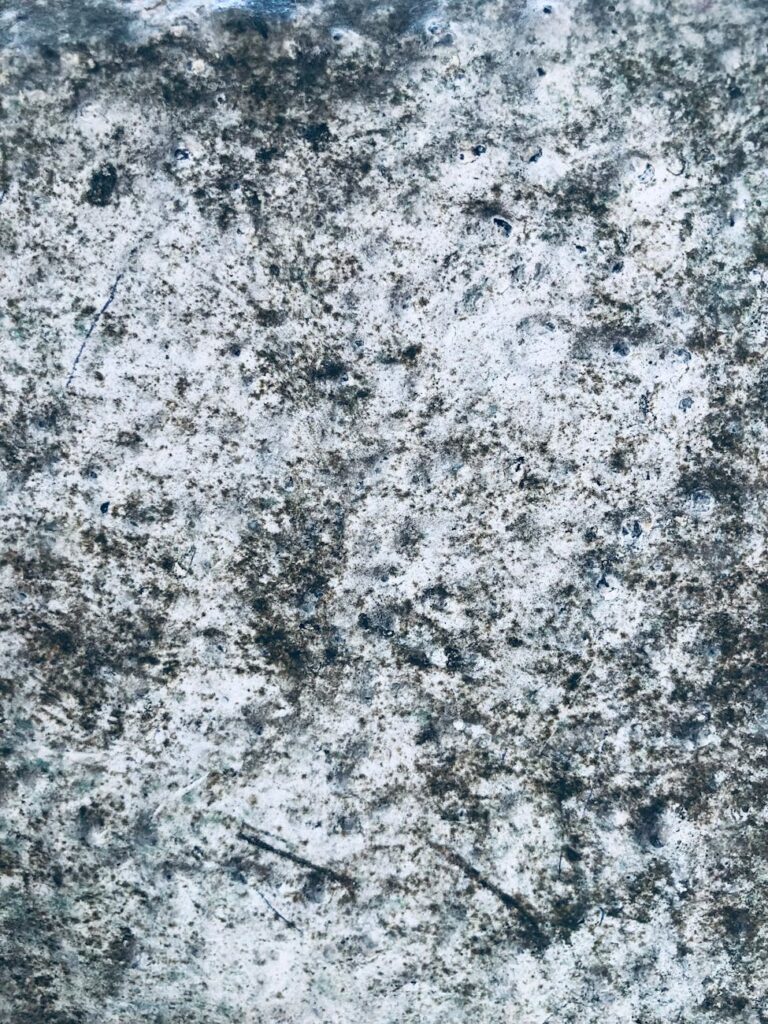
Mould on Clothes Bathroom Guide Part 2
Introduction
Mould on clothes in the bathroom can be a frustrating issue that many homeowners face. The combination of humidity and warmth creates an ideal environment for mould growth, especially on fabric. This guide will provide practical solutions to tackle the problem effectively, ensuring your clothes remain fresh and clean.
What Causes Mould in the Bathroom?
Mould thrives in damp environments, making the bathroom a prime target. Here are the primary causes:
1. High Humidity: Bathrooms often have high humidity levels due to showers and baths, which can lead to mould growth on clothes.
2. Poor Ventilation: A lack of airflow can trap moisture in the room, creating a breeding ground for mould.
3. Wet Clothes: Leaving wet or damp clothes in the bathroom can encourage mould growth.
4. Dirty Surfaces: Mould spores can come from unclean surfaces, which can transfer to your clothes.
Why This Problem Happens
Understanding why mould develops on clothes in the bathroom helps address the root cause:
- Condensation: Moisture from hot showers settles on surfaces, including clothes.
- Temperature Fluctuations: The warm temperatures of a shower followed by cooler air can create condensation.
- Prolonged Exposure: Clothes left unwashed or damp for extended periods are more susceptible to mould.
- Vinegar Solution: Mix one cup of white vinegar with a gallon of water.
- Baking Soda Paste: Combine half a cup of baking soda with water to form a paste.
- Bleach Solution: Dilute one cup of bleach in a gallon of water (only for white fabrics).
- Vinegar: A natural disinfectant that can kill up to 82% of mould species. Use it in the wash cycle or as a pre-soak.
- Baking Soda: Works well as a deodorizer and mild abrasive. It can be added to the wash for extra cleaning power.
- Oxygen Bleach: A safer alternative to chlorine bleach, oxygen bleach can effectively remove mould without damaging colours.
- Hydrogen Peroxide: This can be used for spot cleaning and is effective against mould. Apply it directly to the affected area.
How to Fix Mould on Bathroom Clothes (Step-by-Step)
Removing mould from clothes requires a systematic approach. Follow these steps to fix the issue:
Step 1: Take Clothes Outside
Start by moving the affected items outside. Fresh air and sunlight can help kill mould spores.
Step 2: Brush Off Mould
Gently brush off any visible mould with a soft-bristled brush. This prevents spores from spreading indoors.
Step 3: Prepare a Cleaning Solution
Create a cleaning solution using one of the following methods:
Step 4: Soak the Clothes
Submerge the affected clothes in the cleaning solution for at least 30 minutes. This allows the solution to penetrate the fabric and kill mould spores.
Step 5: Wash the Clothes
After soaking, wash the clothes in the washing machine using hot water. Add a cup of vinegar or baking soda to the wash cycle for added mould-fighting power.
Step 6: Dry Thoroughly
Dry the clothes in direct sunlight or use a dryer on a high heat setting. Ensure they are completely dry before storing them to prevent mould from returning.
Best Cleaning Methods
Here are some effective cleaning methods for mould on clothes:
Common Mistakes to Avoid
To effectively tackle mould on bathroom clothes, avoid these common mistakes:
1. Ignoring the Problem: Leaving mould untreated can lead to permanent stains and health risks.
2. Using Cold Water: Cold water may not effectively kill mould spores. Always wash with hot water when possible.
3. Not Drying Clothes Properly: Ensure clothes are completely dry before storing them; dampness invites mould back.
4. Using Too Much Detergent: Excess detergent can leave residues that attract mould.
5. Neglecting the Bathroom Environment: Failing to improve ventilation or reduce humidity can lead to recurring mould problems.
Prevention Tips
Preventing mould on clothes in the bathroom is crucial for long-term success. Here are some effective tips:
1. Improve Ventilation: Install an exhaust fan or leave the window open during and after showers to reduce humidity levels.
2. Use a Dehumidifier: Consider using a dehumidifier in bathrooms prone to excessive moisture.
3. Store Clothes Properly: Avoid leaving damp clothes in the bathroom. Hang them up or place them in a well-ventilated area.
4. Regular Cleaning: Clean your bathroom regularly to remove mould spores and prevent buildup.
5. Use Mould-Resistant Products: Invest in mould-resistant shower curtains and bathroom textiles.
Frequently Asked Questions
1. Can I use regular detergent to wash mouldy clothes?
While you can use regular detergent, adding vinegar or baking soda can enhance mould removal.
2. How can I tell if my clothes are truly clean?
Check for any lingering smells or stains. If in doubt, repeat the cleaning process.
3. Is it safe to use bleach on all fabrics?
No, bleach can damage or discolor many fabrics. Always check care labels and do a patch test first.
4. Can mould on clothes cause health issues?
Yes, exposure to mould can lead to allergies and respiratory issues. It’s important to address the problem promptly.
5. How often should I clean my bathroom to prevent mould?
Aim to clean your bathroom at least once a week, focusing on surfaces that retain moisture.
6. What should I do if mould keeps returning?
If mould continues to appear, assess the bathroom for ventilation issues, leaks, or inadequate cleaning practices.
By following these practical steps and tips, you can effectively manage and prevent mould on clothes in your bathroom. Keeping your space clean and dry will ultimately lead to fresher, healthier laundry.