
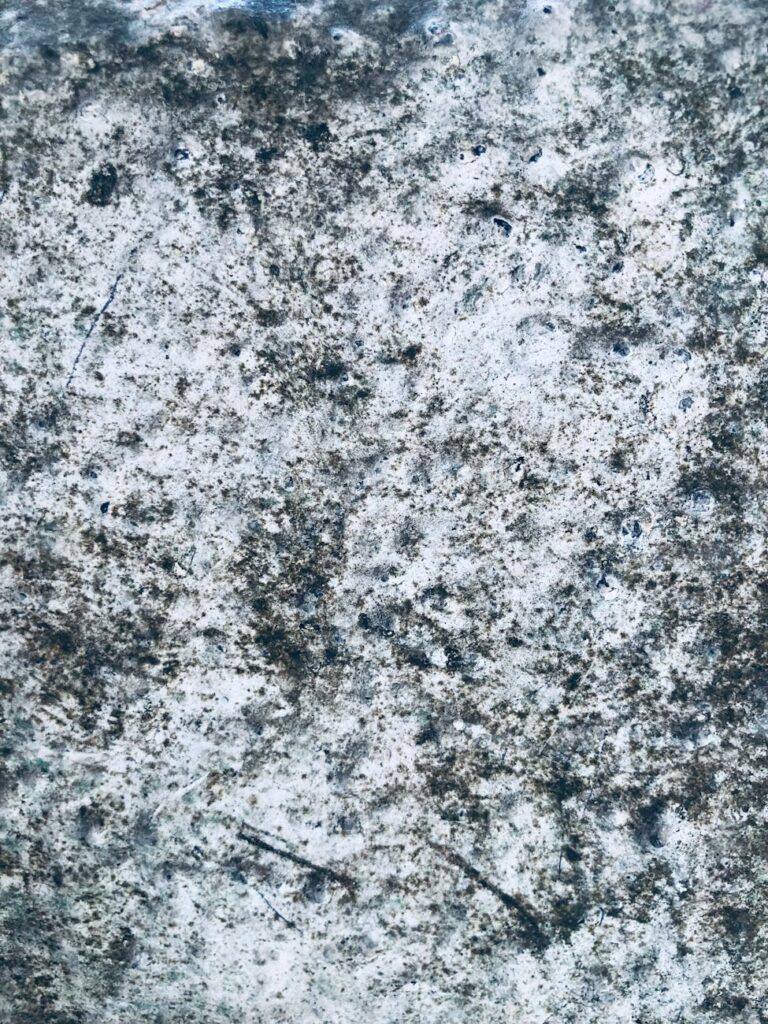
Mould & Damp Damp Walls Guide Part 2
Introduction
Damp walls are more than just an eyesore; they can lead to serious health issues and structural damage in your home. In this guide, we will explore the causes of damp walls, effective methods to fix them, and essential tips to prevent their recurrence.
What Causes Damp Walls?
Damp walls can arise from various issues, including:
1. Poor Ventilation: Lack of airflow can trap moisture in your home.
2. Leaking Pipes: Plumbing issues can result in water seeping into walls.
3. Rising Damp: Groundwater can travel up walls through capillary action.
4. Condensation: Warm, moist air meeting cold surfaces can lead to moisture build-up.
5. Roof Leaks: Damaged roofs can allow rainwater to penetrate walls.
Understanding the underlying causes is crucial for effective remediation.
Why This Problem Happens
Damp walls occur when moisture accumulates faster than it can evaporate. This can be due to:
- Climate: Humid weather can increase moisture levels in the air.
- Building Materials: Some materials absorb more moisture than others.
- Lifestyle: Activities like cooking and showering can generate steam, contributing to condensation.
- Structural Issues: Cracks in walls or foundations can allow water ingress.
- Visible leaks in plumbing.
- Signs of condensation, such as water droplets on windows.
- Cracks in walls or foundations.
- Spray the solution on the affected area.
- Allow it to sit for at least 10 minutes.
- Wipe with a cloth or scrub brush.
- Seal Cracks: Use waterproof sealant or caulk to fill any cracks.
- Repaint: Use anti-mould paint to prevent future growth.
- Fix plumbing leaks immediately.
- Improve ventilation in high-moisture areas.
- Install a damp-proof membrane if rising damp is an issue.
- Mix equal parts of water and white vinegar.
- Spray on the damp area and scrub with a brush.
- Combine baking soda with water to create a paste.
- Apply it to the mouldy area and scrub with a brush.
- Choose a cleaner specifically designed for mould and mildew.
- Follow manufacturer instructions for effective use.
- Mix one part bleach with three parts water.
- Apply carefully to mouldy areas, and rinse thoroughly afterward.
- Ignoring the Source: Cleaning without addressing the root cause will lead to recurrence.
- Using Inadequate Cleaning Supplies: Not using mould-specific cleaners can be less effective.
- Neglecting to Ventilate: Failing to improve airflow can prolong moisture issues.
- Rushing Repairs: Quick fixes may not resolve underlying issues, resulting in ongoing dampness.
Recognizing these factors can help you identify the best course of action.
How to Fix Damp Walls (Step-by-Step)
Step 1: Identify the Source
Before you can treat damp walls, you need to pinpoint the cause. Look for:
Step 2: Dry the Area
1. Ventilation: Open windows and use fans to create airflow.
2. Dehumidifiers: Use a dehumidifier to reduce humidity levels.
Step 3: Clean the Affected Area
1. Mould Removal: Use a mixture of water and vinegar or a commercial mould cleaner.
2. Remove Damaged Materials: If the wallboard or plaster is extensively damaged, you may need to remove and replace it.
Step 4: Repair
Step 5: Address the Root Cause
Best Cleaning Methods
1. Vinegar Solution
2. Baking Soda Paste
3. Commercial Cleaners
4. Bleach Solution (for non-porous surfaces)
Common Mistakes to Avoid
Prevention Tips
1. Improve Ventilation: Install vents, use exhaust fans, or open windows regularly.
2. Use a Dehumidifier: Keep indoor humidity below 60%.
3. Regular Maintenance: Check plumbing for leaks and inspect your roof.
4. Insulate Pipes: This prevents condensation from forming on cold pipes.
5. Seal Cracks: Regularly check and seal any cracks in walls or foundations.
Frequently Asked Questions (FAQs)
1. How can I tell if my walls are damp?
Look for signs like peeling paint, mould growth, or a musty smell.
2. Can I paint over damp walls?
No, it’s essential to treat the dampness first to avoid peeling and mould growth.
3. How long does it take to dry out damp walls?
It can take anywhere from a few days to several weeks, depending on the severity and ventilation.
4. Is rising damp dangerous?
Yes, it can weaken the structural integrity of your home and lead to health issues.
5. Can I fix damp walls myself?
Many issues can be addressed with DIY methods, but severe cases may require professional assistance.
6. What is the best way to prevent damp walls?
Regular maintenance, proper ventilation, and using dehumidifiers are effective preventative measures.
By understanding the causes of damp walls and taking proactive steps to address and prevent them, you can maintain a healthier home environment. Follow this guide to tackle existing damp issues and keep your walls dry and mould-free.