
Mould & Damp Black Mould Guide Part 2
Introduction
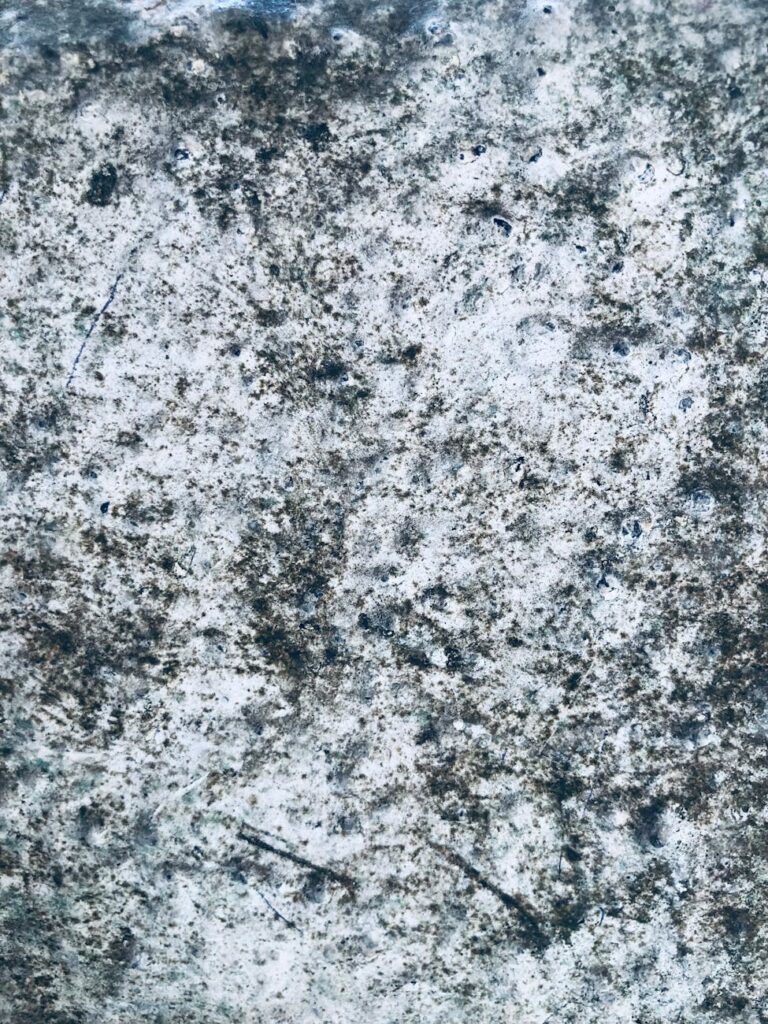
Black mould, scientifically known as Stachybotrys chartarum, is a type of fungus that thrives in damp environments. It can appear as dark green or black spots on walls, ceilings, and other surfaces. Not only is it unsightly, but it can also indicate underlying moisture issues in your home. This guide will provide practical steps to identify, remove, and prevent black mould, empowering you to take control of your living space.
What Causes Black Mould?
Black mould typically develops in areas with excess moisture. Here are the primary causes:
- High Humidity: Homes with humidity levels above 60% are more susceptible.
- Water Leaks: Roof, plumbing, or appliance leaks can create damp spots.
- Condensation: Poor ventilation can lead to condensation on windows and walls.
- Flooding: Water from heavy rains or plumbing failures can saturate areas in your home.
- Poor Insulation: Inadequate insulation can lead to temperature fluctuations, creating conditions for mould to grow.
- Bathrooms
- Kitchens
- Basements
- Around windows
- Protective Gear: Wear gloves, goggles, and a mask to avoid inhaling spores.
- Cleaning Solutions: Choose a commercial mould remover or make a solution of one part bleach to three parts water.
- Scrub Brush or Cloth: For scrubbing the affected areas.
- Spray Bottle: For applying your cleaning solution.
- Plastic Bags: For disposal of contaminated materials.
- Bleach Solution: Effective on hard surfaces but may not penetrate porous materials.
- Vinegar: A natural alternative that can kill mould spores. Spray undiluted vinegar on the affected area and let it sit for an hour before wiping.
- Baking Soda: Mix with water to form a paste for scrubbing. It’s a gentle abrasive that can remove mould without damaging surfaces.
- Hydrogen Peroxide: Use a 3% solution for mould removal on porous and non-porous surfaces.
- Control Humidity: Use dehumidifiers in damp areas and aim to keep humidity below 60%.
- Improve Ventilation: Open windows and use exhaust fans in kitchens and bathrooms.
- Fix Leaks Promptly: Address any leaks in plumbing or roofing immediately.
- Insulate Properly: Ensure your home is well-insulated to prevent condensation.
- Regular Cleaning: Keep surfaces clean and dry, especially in high-moisture areas.
Understanding these causes is crucial for effective remediation and prevention.
Why This Problem Happens
Black mould does not require much to thrive. The combination of moisture and organic material (like wood, drywall, or dust) creates a perfect breeding ground. It often goes unnoticed until it has already spread, leading to a larger problem. Common areas of occurrence include:
Recognizing the signs of mould early can help prevent extensive damage and keep your home safe.
How to Fix Black Mould (Step-by-Step)
Removing black mould can be straightforward if you follow these steps:
Step 1: Gather Your Supplies
Step 2: Isolate the Area
Seal off the affected area to prevent spores from spreading. Close doors and windows, and use plastic sheeting if necessary.
Step 3: Apply the Cleaning Solution
Spray the mouldy area generously with your cleaning solution. Let it sit for 10-15 minutes to penetrate the mould.
Step 4: Scrub the Area
Using a scrub brush or cloth, scrub the affected area thoroughly. For textured surfaces, a brush may work better to reach all crevices.
Step 5: Rinse and Dry
Rinse the area with clean water and dry it completely. Use fans or dehumidifiers to ensure the area dries thoroughly, as moisture can encourage further growth.
Step 6: Dispose of Contaminated Materials
Place any materials that were heavily infested with mould (like drywall or fabric) in plastic bags and dispose of them properly.
Best Cleaning Methods
Different surfaces may require different cleaning methods. Here are a few effective options:
Always test any solution on a small area first to ensure it does not damage the surface.
Common Mistakes to Avoid
1. Ignoring Early Signs: Don’t wait until mould spreads. Address small spots immediately.
2. Using Water Alone: Water can worsen mould conditions. Always use a cleaning solution.
3. Overlooking Ventilation: Ensure proper airflow in damp areas to reduce moisture build-up.
4. Not Wearing Protective Gear: Always protect yourself to avoid health risks.
5. Failing to Dry Completely: Ensure areas are thoroughly dried to prevent recurrence.
Prevention Tips
Taking proactive measures can help you prevent black mould from returning:
Frequently Asked Questions
1. Is black mould dangerous?
While black mould can cause allergic reactions in some individuals, it is essential to address it promptly to avoid potential damage to your home.
2. Can I remove black mould myself?
Yes, small areas of black mould can often be removed by homeowners using the right cleaning solutions and safety precautions.
3. How can I tell if the mould is black mould?
Black mould usually appears as dark green or black patches. If you are uncertain, consider consulting a professional for testing.
4. Does vinegar kill black mould?
Yes, vinegar is effective at killing many types of mould, including black mould. Use it undiluted for best results.
5. How often should I check for mould?
Inspect areas prone to moisture at least once a month, and after heavy rains or flooding.
6. Can I paint over mould?
No, painting over mould will not solve the problem. Always remove mould before painting to prevent it from reappearing.
By following the steps outlined in this guide, you can effectively tackle black mould in your home. Keeping your living space clean and dry is key to preventing this issue from recurring. Stay vigilant, and enjoy a healthier, mould-free environment!