
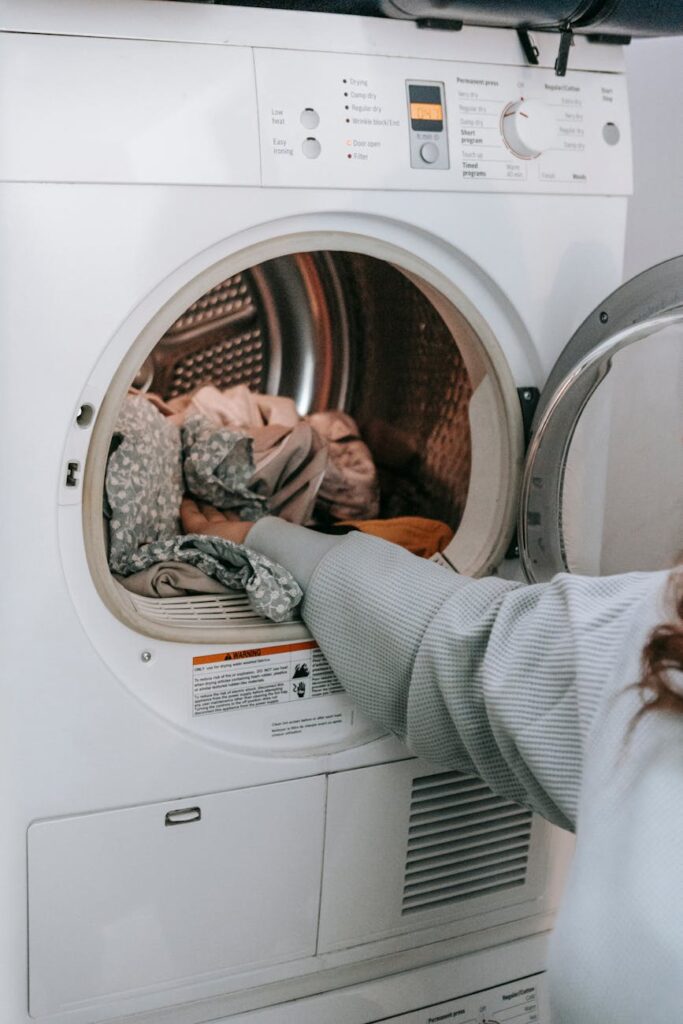
Moldy Washing Machine Mould & Damp Guide Part 1
Introduction
A washing machine should be a clean appliance that helps you keep your clothes fresh and hygienic. However, many homeowners struggle with a common issue: mould and damp inside their machines. This not only affects the cleanliness of your laundry but can also lead to unpleasant odors and potential damage to your appliance. In this guide, we’ll explore the causes of mould and damp in washing machines, how to fix the issue, effective cleaning methods, and tips for prevention.
What Causes Mould & Damp?
Mould and damp in washing machines primarily result from moisture and lack of airflow. Several factors contribute to this problem:
1. Residual Water: After a wash cycle, small amounts of water can remain in the drum, seals, or detergent drawer.
2. Detergent Build-up: Overusing detergent can lead to residue, creating a breeding ground for mould.
3. Closed Doors: Leaving the door closed traps moisture, preventing air circulation.
4. Low Temperatures: Washing clothes on cold cycles may not kill mould spores.
5. Humidity: High humidity levels in your home can increase moisture inside the machine.
Why This Problem Happens
Understanding why mould and damp occur is crucial for effective cleaning and prevention. The primary reasons include:
- Poor Maintenance: Infrequent cleaning of your washing machine can lead to the accumulation of grime.
- Improper Usage: Not following the manufacturer’s guidelines for detergent use and wash cycles can exacerbate the problem.
- Environment: Homes with poor ventilation or high humidity can significantly contribute to dampness in appliances.
- Old Machines: Older washing machines may have worn seals or drainage issues that trap water.
- White vinegar or baking soda
- A soft cloth or sponge
- A toothbrush or small scrub brush
- A bucket or bowl
- Rubber gloves (optional)
- Pour 2 cups of white vinegar into the drum.
- Set the machine to the hottest cycle and run it empty.
- If you prefer baking soda, add 1 cup to the drum after the vinegar cycle.
- Run another hot cycle to neutralize odors.
- Run Hot Cycles: Occasionally run a hot wash to kill any lingering mould spores.
- Use the Right Detergents: Opt for high-efficiency (HE) detergents appropriate for your machine.
- Maintain Good Ventilation: Ensure your laundry area has adequate airflow to reduce humidity.
- Regular Cleaning: Set a monthly reminder to clean your washing machine.
- Check Seals: Regularly inspect and clean the rubber seals around the door to prevent water retention.
How to Fix Mould & Damp (Step-by-Step)
If you’re facing a mouldy washing machine, follow these steps to tackle the issue effectively:
Step 1: Gather Your Supplies
You will need:
Step 2: Empty the Machine
Remove any clothes or items from the washing drum. Ensure the machine is empty before starting the cleaning process.
Step 3: Clean the Drum
1. Vinegar Method:
2. Baking Soda Method:
Step 4: Clean the Detergent Drawer
1. Remove the detergent drawer.
2. Soak it in warm, soapy water for 15-30 minutes.
3. Use a toothbrush to scrub away any residue or mould.
4. Rinse and allow it to dry completely before reinserting.
Step 5: Wipe Down Seals and Door
1. Use a damp cloth with vinegar to wipe down the rubber seals around the door.
2. Pay extra attention to crevices where mould can hide.
3. Dry the area thoroughly with a clean, dry cloth.
Step 6: Leave the Door Open
After cleaning, leave the door open for a few hours to allow air circulation and prevent moisture build-up.
Best Cleaning Methods
Here are some of the most effective cleaning methods:
1. Vinegar: A natural disinfectant that kills mould and reduces odors.
2. Baking Soda: Acts as a deodorizer and helps in removing stains.
3. Bleach (Use with Caution): A strong option for severe mould, but it can damage rubber seals and should be diluted properly.
4. Commercial Cleaners: There are specific washing machine cleaners available that can effectively tackle mould and build-up.
Common Mistakes to Avoid
To ensure effective cleaning and prevent future mould growth, avoid these common mistakes:
1. Using Too Much Detergent: Always follow the recommended amounts to prevent residue build-up.
2. Neglecting Regular Maintenance: Clean your washing machine every month to keep mould at bay.
3. Leaving the Door Closed: Always leave the door ajar after use to allow moisture to escape.
4. Ignoring the Detergent Drawer: This area often harbors mould, so make it a habit to clean it regularly.
Prevention Tips
Preventing mould and damp in your washing machine is easier than fixing it. Follow these tips:
Frequently Asked Questions
1. How often should I clean my washing machine?
Aim to clean your washing machine at least once a month, or more frequently if you notice any odours or visible mould.
2. Can I use bleach to clean my washing machine?
Yes, you can use bleach, but it should be diluted, and you should be cautious as it may damage rubber seals over time.
3. Is mould in my washing machine harmful?
While it may not pose significant health risks, mould can produce unpleasant odors and affect the cleanliness of your laundry.
4. What can I do if the mould comes back?
If mould returns, re-evaluate your cleaning routine, ensure proper usage of detergent, and consider increasing ventilation in your laundry area.
5. Can I prevent mould with essential oils?
Yes, adding a few drops of essential oils like tea tree or lavender to your wash can help deter mould due to their natural antifungal properties.
6. What should I do if I have a persistent damp smell?
If the damp smell persists after cleaning, consider checking your machine for drainage issues or consult a technician for further assistance.
By understanding the causes of mould and damp in your washing machine and following the steps outlined in this guide, you can maintain a clean and efficient appliance, ensuring your laundry remains fresh and hygienic. Stay tuned for Part 2, where we will delve deeper into advanced cleaning techniques and troubleshooting tips.