
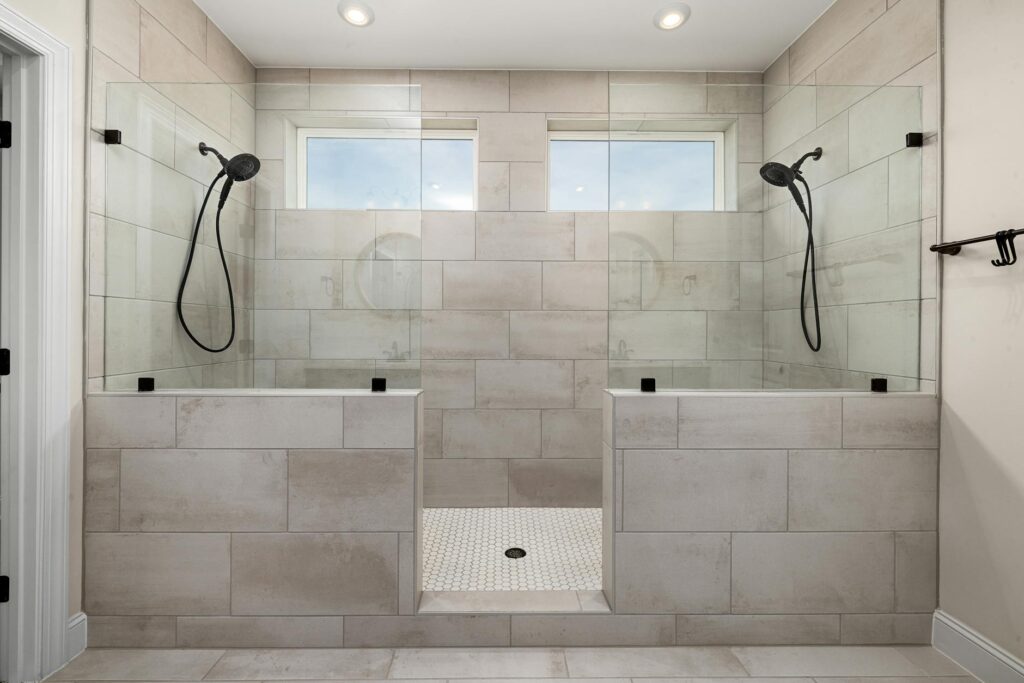
Moldy Shower Tiles Mould & Damp Guide Part 1
Introduction
Mouldy shower tiles are not just an unsightly nuisance; they can also signal deeper issues with moisture and dampness in your home. This guide will equip you with practical steps to tackle mould and damp problems effectively. By understanding the causes and employing the right cleaning methods, you can restore your shower to a clean, fresh space.
What Causes Mould & Damp?
Mould thrives in damp, warm environments, making your shower an ideal breeding ground. The primary causes of mould and damp in shower tiles include:
- High Humidity Levels: Showers generate steam, raising humidity levels.
- Poor Ventilation: Lack of airflow allows moisture to linger.
- Water Leaks: Leaky pipes or fixtures can contribute to damp spots.
- Organic Material: Soap scum and body oils provide food for mould.
- Rubber gloves
- Face mask
- Scrub brush or sponge
- Bucket
- Cleaning solution (vinegar, baking soda, or a commercial mould remover)
- Old toothbrush (for grout lines)
- Spray bottle
- Microfiber cloth
- Vinegar: Fill a spray bottle with white vinegar and spray it directly onto the mouldy areas. Let it sit for at least 30 minutes.
- Baking Soda: Make a paste using baking soda and water. Apply it to the mouldy areas and let it sit for 15 minutes.
- Commercial Mould Remover: Follow the manufacturer’s instructions.
- Vinegar Spray: An excellent natural disinfectant that kills mould spores.
- Baking Soda Paste: Effective for scrubbing stubborn stains and absorbing moisture.
- Hydrogen Peroxide: This can be used for tougher mould stains. Apply directly, let it sit for 10 minutes, then scrub and rinse.
- Not Wearing Protective Gear: Always wear gloves and a mask to protect yourself from mould spores and cleaning chemicals.
- Skipping the Drying Process: Failing to dry the tiles can lead to mould returning quickly.
- Using the Wrong Cleaner: Some cleaners can worsen the problem. Stick to proven solutions.
- Ignoring Grout Lines: Mould often hides in grout lines, so be sure to give them extra attention.
- Improve Ventilation: Use an exhaust fan during and after showers. Leave the bathroom door open when possible.
- Wipe Down Tiles: After each shower, use a squeegee or towel to remove excess water.
- Seal Grout: Apply a grout sealant once a year to create a moisture barrier.
- Regular Cleaning: Clean your shower at least once a week to prevent build-up.
Understanding these causes is the first step in addressing your mould problem.
Why This Problem Happens
Mould growth occurs when conditions are just right. If your bathroom is poorly ventilated, moisture from your shower can accumulate. This creates a perfect environment for mould spores to settle and grow. Additionally, if you notice any leaks, they can exacerbate the problem by continuously supplying moisture. Regular cleaning and maintenance can prevent these issues from escalating.
How to Fix Mould & Damp (Step-by-Step)
Tackling mouldy shower tiles is straightforward if you follow these steps:
Step 1: Gather Your Supplies
Step 2: Ventilate the Area
Open windows and doors to increase airflow. If you have an exhaust fan, turn it on. This helps to reduce humidity and makes cleaning more effective.
Step 3: Apply Your Cleaning Solution
Choose your cleaning solution:
Step 4: Scrub the Affected Areas
Using your scrub brush or sponge, clean the tiles and grout thoroughly. For hard-to-reach areas, use an old toothbrush to get into the grout lines. Apply more cleaning solution as needed.
Step 5: Rinse and Dry
After scrubbing, rinse the tiles with warm water to remove any cleaning residue. Use a microfiber cloth to dry the tiles completely. This step is crucial to prevent mould from returning.
Step 6: Inspect for Leaks
Check for any leaks around fixtures and pipes. If you find any, consider calling a plumber to address the issue.
Best Cleaning Methods
Different cleaning methods work better for different situations. Here are some effective options:
For persistent mould, a commercial mould remover may be necessary. Always follow the instructions on the label.
Common Mistakes to Avoid
Avoid these pitfalls to ensure effective mould removal:
Prevention Tips
Once you’ve tackled the mould, it’s essential to prevent it from returning. Here are some practical tips:
Frequently Asked Questions
1. How often should I clean my shower to prevent mould?
Aim to clean your shower at least once a week. Regular maintenance can help prevent mould growth.
2. Can I use bleach to clean mould?
While bleach can kill mould, it can also damage tiles and grout. Use vinegar or baking soda for a safer alternative.
3. What if the mould keeps coming back?
If mould returns frequently, check for hidden leaks or consider improving ventilation in your bathroom.
4. Is mould on shower tiles dangerous?
While not all mould is harmful, some types can trigger allergies or respiratory issues. It’s best to remove it promptly.
5. Can I prevent mould without using chemicals?
Yes! Regular cleaning with vinegar or baking soda can effectively prevent mould without harsh chemicals.
6. What should I do if I have a persistent leak?
If you notice a leak, it’s advisable to contact a plumber to fix the issue before it leads to further mould problems.
By following this guide, you’ll be well-equipped to tackle mouldy shower tiles and keep your bathroom clean and healthy. Stay vigilant, and don’t let mould take over your space!