
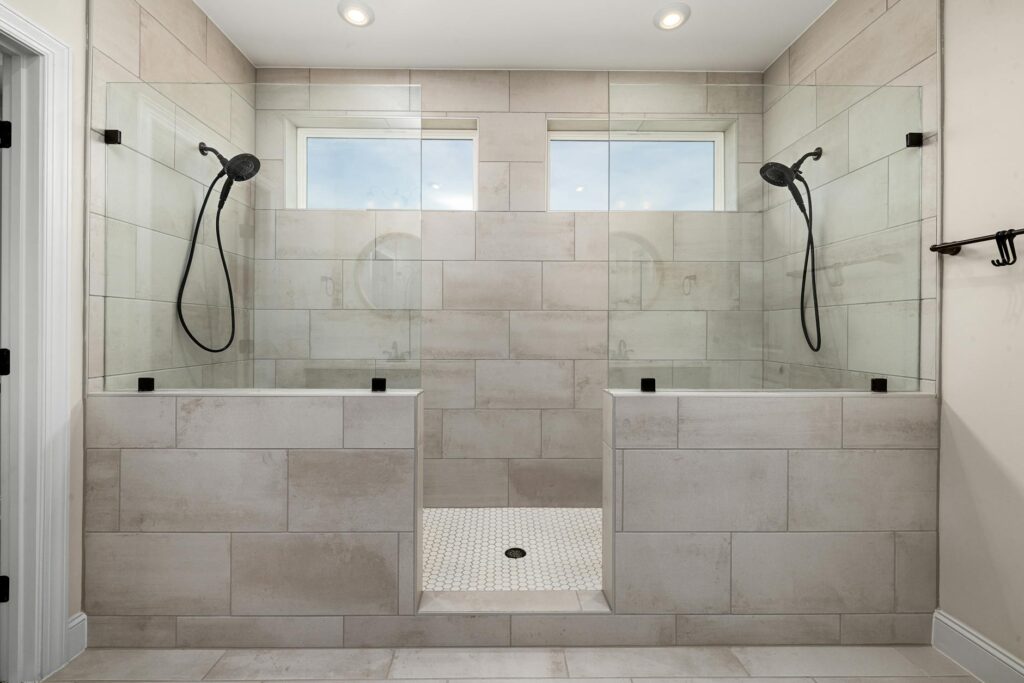
Moldy Shower Tiles Kitchen Guide Part 1
Introduction
Moldy shower tiles can be an eyesore and a source of frustration for homeowners. When this problem creeps into your kitchen, it can ruin the aesthetic and potentially lead to health risks. This guide will help you understand the causes of moldy shower tiles, why it happens, and how to effectively clean and prevent it.
What Causes Kitchen Mold?
Kitchen mold is often found in areas with high humidity and limited ventilation. The common causes include:
1. Moisture: Water splashes from the sink or cooking can accumulate on surfaces.
2. Humidity: Kitchens often have high humidity levels, especially when cooking or washing dishes.
3. Poor Ventilation: Lack of airflow can trap moisture, creating a breeding ground for mold.
4. Food Particles: Organic matter in the kitchen can contribute to mold growth when it decomposes.
Why This Problem Happens
Mold thrives in damp, dark environments, making kitchens a prime target. Here are the key factors contributing to the issue:
- Condensation: Water vapor from cooking can condense on tiles and grout, providing moisture for mold.
- Dirty Surfaces: If tiles aren’t cleaned regularly, food residues can encourage mold growth.
- Temperature Fluctuations: Warm areas can foster mold, especially if there is also moisture present.
- Rubber gloves
- Protective eyewear
- Scrub brush or old toothbrush
- Spray bottle
- Cleaning solution (vinegar, baking soda, or commercial mold remover)
- Sponge or microfiber cloth
- Bucket
- Vinegar: An excellent natural disinfectant that kills most mold species.
- Baking Soda: A gentle abrasive that cleans and deodorizes.
- Hydrogen Peroxide: A powerful mold killer. Use a 3% solution in a spray bottle.
- Commercial Cleaners: Look for mold-specific products that are safe for tiles.
Understanding these factors can help you identify the right cleaning strategies.
How to Fix Kitchen Mold (Step-by-Step)
Step 1: Gather Your Supplies
Before you begin cleaning, gather the following items:
Step 2: Prepare the Area
Ensure the kitchen is well-ventilated. Open windows and turn on exhaust fans. This will help dissipate odors and moisture during the cleaning process.
Step 3: Identify Affected Areas
Inspect your shower tiles closely. Look for black, green, or brown patches, especially in joints and grout lines.
Step 4: Apply Cleaning Solution
1. Vinegar Solution: Fill a spray bottle with white vinegar and spray it directly onto the moldy areas. Let it sit for about 30 minutes.
2. Baking Soda Paste: For stubborn stains, mix baking soda with water to create a paste. Apply it to the affected areas and let it sit for 15-20 minutes.
Step 5: Scrub the Tiles
Using your scrub brush or old toothbrush, scrub the moldy areas. Be firm but gentle to avoid damaging the tile surface.
Step 6: Rinse Thoroughly
Once you’ve scrubbed the area, rinse it with warm water. Use a sponge or microfiber cloth to wipe away any remaining solution.
Step 7: Dry the Area
After rinsing, dry the tiles thoroughly with a clean towel. This step is crucial to prevent mold from returning.
Best Cleaning Methods
Different cleaning solutions can be effective against mold. Here are the top methods:
Common Mistakes to Avoid
1. Skipping Ventilation: Not ventilating the area while cleaning can trap moisture.
2. Using Bleach: While bleach may initially remove mold, it does not kill mold spores and can worsen the problem in the long run.
3. Not Scrubbing Enough: Mold can embed into grout lines. Make sure to scrub thoroughly.
4. Ignoring Prevention: Failing to implement preventive measures can lead to recurring mold issues.
Prevention Tips
1. Improve Ventilation: Use exhaust fans during cooking and consider installing a hood.
2. Keep Surfaces Dry: Wipe down tiles and countertops after cooking or cleaning.
3. Regular Cleaning: Make it a habit to clean shower tiles weekly to prevent mold buildup.
4. Use Mold-Resistant Products: Consider using mold-resistant paint for areas prone to moisture.
Frequently Asked Questions
1. How often should I clean my kitchen tiles?
Aim to clean your kitchen tiles at least once a week to prevent mold buildup.
2. Can I use bleach to clean moldy tiles?
It’s not recommended. While bleach can kill surface mold, it doesn’t penetrate the surface, allowing mold to return.
3. What if the mold keeps coming back?
If mold keeps returning, it may indicate a moisture problem. Check for leaks or inadequate ventilation.
4. Are there any natural alternatives to commercial cleaners?
Yes! Vinegar, baking soda, and hydrogen peroxide are effective natural alternatives.
5. How do I know if the mold is harmful?
If you see black mold or experience allergic reactions, consult a professional for assessment.
6. Can mold grow behind tiles?
Yes, mold can grow behind tiles if moisture seeps through cracks or inadequate sealing.
By following this guide, you can tackle moldy shower tiles effectively, ensuring a cleaner and healthier kitchen environment. Stay proactive with your cleaning routine to prevent future mold issues.