
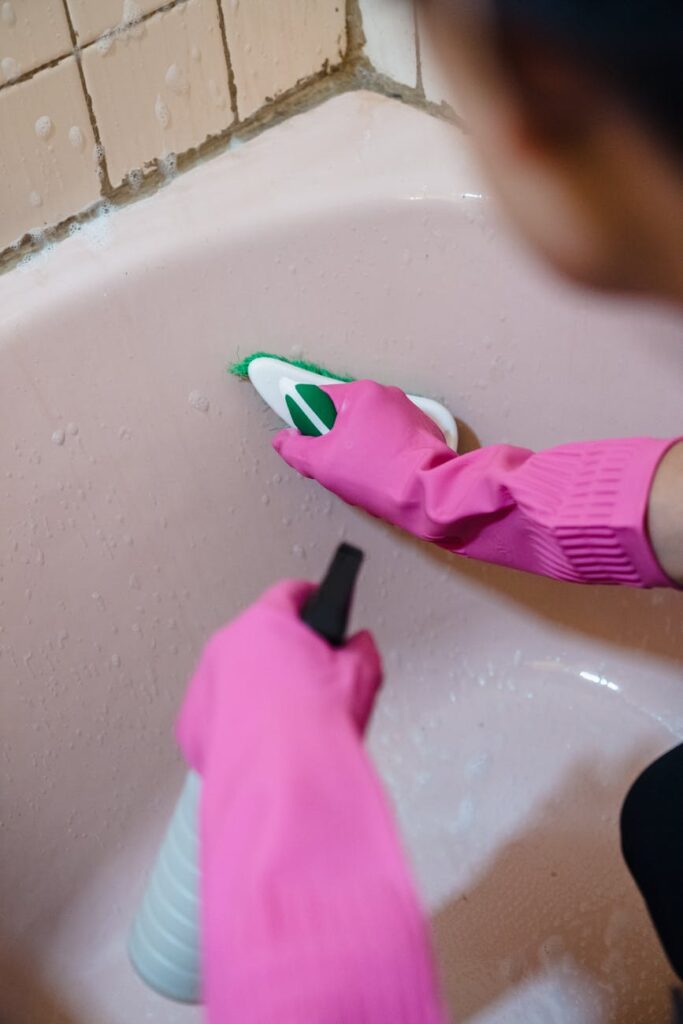
Moldy Shower Tiles Kitchen Guide Part 1
Introduction
Moldy shower tiles can quickly become a nuisance, not just in the bathroom but also in the kitchen. When moisture creeps into your kitchen environment, it can lead to unsightly mold growth that affects both aesthetics and hygiene. This guide is designed to help you understand the causes, solutions, and preventative measures to keep your kitchen tiles mold-free.
What Causes Kitchen Mold?
Mold thrives in damp, warm environments, making kitchens a prime target. Here are the main culprits:
1. High Humidity: Cooking and dishwashing create steam that elevates humidity levels.
2. Poor Ventilation: Lack of airflow traps moisture, making it easier for mold to grow.
3. Water Leaks: Leaky pipes or faucets can introduce unwanted moisture over time.
4. Condensation: Cold surfaces, like tiles, can attract moisture from the air, leading to condensation.
Why This Problem Happens
Understanding the reasons behind mold growth is essential for effective cleaning and prevention. Here are some factors that contribute to mold on kitchen tiles:
- Neglected Cleaning: Regular cleaning is crucial; neglect allows mold spores to settle and grow.
- Clogged Drains: Water pooling from clogged drains can create a breeding ground for mold.
- Old Grout: Worn or cracked grout can trap moisture, allowing mold to flourish.
- Food Residue: Organic materials left on tiles can provide a food source for mold spores.
- Rubber gloves
- Protective eyewear
- Scrub brush or sponge
- Spray bottle
- Cleaning solution (vinegar, bleach, or commercial mold cleaner)
- Old toothbrush (for grout)
- Ventilate: Open windows and doors to allow fresh air in.
- Remove Items: Clear the area around the tiles, including dish racks and other items.
- Vinegar Solution: Fill a spray bottle with undiluted white vinegar. Spray generously over the moldy tiles and grout.
- Bleach Solution: If using bleach, mix one part bleach with three parts water. Apply carefully to affected areas.
- Use a scrub brush or sponge to scrub the tiles and grout. For stubborn mold in grout lines, an old toothbrush works wonders.
- Rinse the tiles with warm water to remove any residue from the cleaning solution.
- Dry the area thoroughly with a clean cloth to prevent moisture buildup.
- If mold persists, repeat the cleaning process. Stubborn mold may require additional applications of your chosen solution.
- Pros: Natural, non-toxic, and effective against many types of mold.
- How to Use: Spray undiluted vinegar and let it sit for an hour before scrubbing.
- Pros: Powerful disinfectant that kills most mold spores.
- How to Use: Dilute with water and apply carefully. Rinse thoroughly afterward.
- Pros: Safe and effective for scrubbing and deodorizing.
- How to Use: Make a paste with water, apply, scrub, and rinse.
- Pros: Specifically designed for mold removal.
- How to Use: Follow manufacturer instructions for application.
How to Fix Kitchen Mold (Step-by-Step)
Removing mold from your kitchen tiles doesn’t have to be a daunting task. Follow these steps for effective cleaning:
Step 1: Gather Your Supplies
You’ll need:
Step 2: Prepare the Area
Step 3: Apply Cleaning Solution
Step 4: Scrub the Affected Area
Step 5: Rinse and Dry
Step 6: Repeat if Necessary
Best Cleaning Methods
There are several effective methods for cleaning mold from kitchen tiles:
1. Vinegar
2. Bleach
3. Baking Soda
4. Commercial Cleaners
Common Mistakes to Avoid
To effectively tackle mold, avoid these common pitfalls:
1. Using Hot Water: Hot water can cause mold spores to spread; use cold or warm water instead.
2. Skipping Rinsing: Residue can attract more mold; always rinse thoroughly.
3. Ignoring Grout: Mold can hide in grout lines, so be sure to clean these areas.
4. Not Wearing Protection: Always wear gloves and eyewear to protect yourself from cleaning solutions.
Prevention Tips
Preventing mold is easier than removing it. Here’s how you can keep your kitchen tiles mold-free:
1. Improve Ventilation: Use exhaust fans or open windows while cooking to reduce humidity.
2. Regular Cleaning: Make tile cleaning a regular part of your routine to remove moisture and dirt.
3. Fix Leaks Promptly: Address any leaks in pipes or appliances immediately.
4. Seal Grout: Apply a grout sealant every few years to prevent moisture absorption.
Frequently Asked Questions
1. How often should I clean my kitchen tiles to prevent mold?
Aim to clean your kitchen tiles at least once a month, or more frequently if you notice moisture buildup.
2. Can I use vinegar and bleach together?
No, mixing vinegar and bleach creates harmful fumes. Use them separately for effective cleaning.
3. What should I do if mold keeps returning?
If mold keeps returning, check for hidden leaks, improve ventilation, and consider using a dehumidifier.
4. Is it safe to use commercial mold removers?
Yes, as long as you follow the instructions and wear protective gear. Always test a small area first.
5. How can I tell if I have mold in my kitchen?
Look for dark spots or discoloration on tiles and grout. A musty odor can also indicate mold growth.
6. What is the best way to store cleaning supplies?
Store cleaning supplies in a cool, dry place away from direct sunlight to maintain their effectiveness.
By following this comprehensive guide, you can effectively manage and prevent moldy shower tiles in your kitchen, ensuring a clean and healthy environment for you and your family. Keep an eye on moisture levels and stay proactive to keep your kitchen in top shape.