
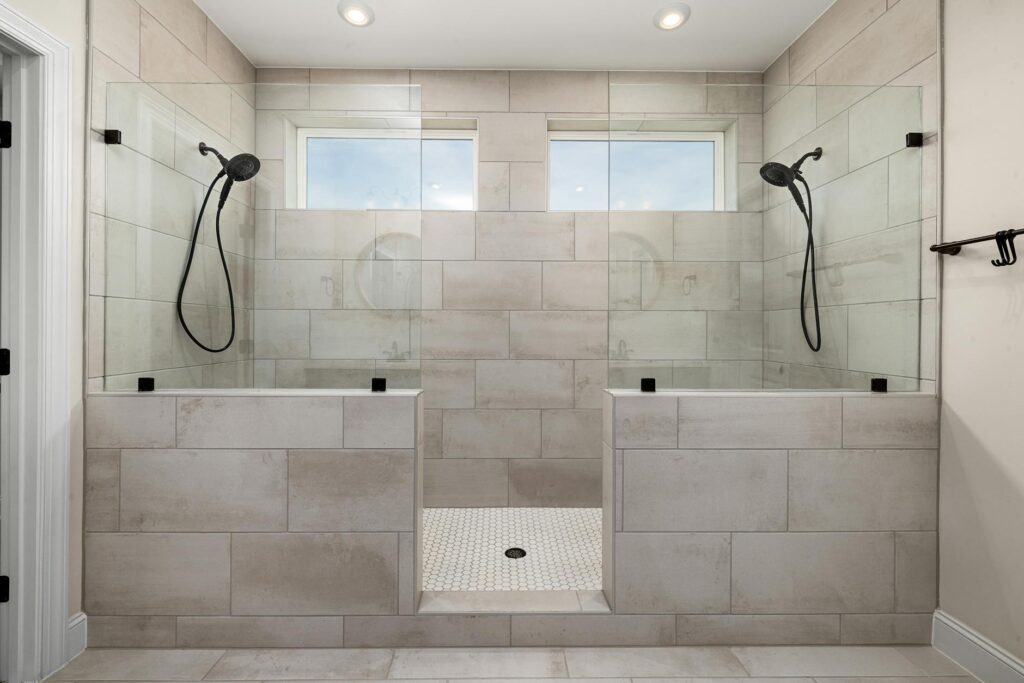
Moldy Shower Tiles Appliances Guide Part 1
Introduction
Moldy shower tiles are a common nuisance for homeowners. Not only do they look unsightly, but they can also lead to more severe issues if left untreated. This guide will help you understand the causes of moldy shower tiles, effective cleaning methods, and how to prevent mold from returning. By the end, you’ll be well-equipped to tackle this problem head-on.
What Causes Appliances?
Mold thrives in damp, warm environments, making your shower a perfect breeding ground. The primary causes of mold on shower tiles include:
- Poor ventilation: Bathrooms often lack adequate airflow, allowing moisture to accumulate.
- Humidity: High humidity levels can contribute to mold growth, especially in areas where water is frequently used.
- Dirty tiles: Soap scum and hard water deposits can create a conducive environment for mold.
- Leaky pipes: Water leaks behind or under tiles can create hidden mold issues.
- Moisture Retention: After a shower, residual moisture clings to surfaces, providing a perfect habitat for mold spores.
- Lack of Cleaning: Over time, dirt and soap scum build up, which can trap moisture and create a breeding ground for mold.
- Neglected Maintenance: Failing to repair leaks or clean grout can exacerbate mold issues, allowing them to flourish unnoticed.
- White vinegar
- Baking soda
- Spray bottle
- Scrub brush or old toothbrush
- Soft cloth or sponge
- Protective gloves
- Using a Cloth Alone: Relying solely on a cloth without scrubbing will not remove mold effectively.
- Neglecting Grout: Focusing only on the tiles and ignoring the grout can allow mold to persist.
- Not Ventilating: Failing to ventilate the bathroom during cleaning can create a damp environment, promoting further mold growth.
- Improve Ventilation: Install an exhaust fan or keep windows open to reduce moisture.
- Regular Cleaning: Clean your shower at least once a week to prevent mold buildup.
- Seal Grout: Apply a grout sealer every six months to protect against moisture infiltration.
- Wipe Down Surfaces: Use a squeegee or towel to wipe down tiles after each shower to eliminate moisture.
- Control Humidity: Use a dehumidifier in the bathroom if humidity levels are consistently high.
Understanding these causes is the first step in effectively combating mold on your shower tiles.
Why This Problem Happens
Mold growth on shower tiles is typically the result of several interrelated factors:
Recognizing these underlying issues will help you address the problem effectively.
How to Fix Appliances (Step-by-Step)
Here’s a straightforward, step-by-step guide to cleaning moldy shower tiles:
Step 1: Gather Your Supplies
You’ll need the following cleaning supplies:
Step 2: Prepare the Area
1. Ventilate the bathroom: Open windows or turn on the exhaust fan to reduce humidity.
2. Remove items: Take out any shampoo bottles, loofahs, or other items from the shower.
Step 3: Apply the Cleaning Solution
1. Vinegar Spray: Fill a spray bottle with undiluted white vinegar. Spray it generously on the moldy areas.
2. Let it Sit: Allow the vinegar to sit for at least 30 minutes to break down the mold.
Step 4: Scrub the Tiles
1. Baking Soda Paste: In a small bowl, mix baking soda with a little water to make a paste.
2. Apply the Paste: Use a scrub brush or old toothbrush to apply the baking soda paste to the tiles and grout. Scrub in circular motions.
Step 5: Rinse and Dry
1. Rinse: After scrubbing, rinse the tiles thoroughly with warm water to remove any residue.
2. Dry: Wipe down the tiles with a soft cloth to prevent moisture from accumulating.
Step 6: Inspect for Damage
Check for any damaged grout or tiles that may need repairs or replacement.
Best Cleaning Methods
When it comes to cleaning moldy shower tiles, several methods have proven effective:
1. Vinegar and Baking Soda
Combining vinegar and baking soda creates a powerful cleaning reaction that effectively tackles mold. The acidity of vinegar breaks down mold, while baking soda acts as an abrasive to scrub away stubborn stains.
2. Hydrogen Peroxide
For more stubborn mold, use hydrogen peroxide. Spray it on the affected areas and let it sit for 10 minutes before scrubbing and rinsing.
3. Commercial Cleaners
There are commercial mold removers specifically designed for bathrooms. Always follow the manufacturer’s instructions and ensure good ventilation while using them.
Common Mistakes to Avoid
When cleaning moldy shower tiles, avoid these common pitfalls:
By being mindful of these mistakes, you can enhance your cleaning efforts.
Prevention Tips
Preventing mold from returning is key to maintaining clean shower tiles. Here are some effective strategies:
Frequently Asked Questions
1. How often should I clean my shower tiles?
Aim to clean your shower tiles at least once a week to prevent mold buildup.
2. Can I use bleach to clean moldy tiles?
While bleach can kill mold, it may not effectively remove it from porous surfaces like grout. Vinegar or commercial cleaners are often more effective for this purpose.
3. How do I know if the mold is gone?
Once you scrub the tiles and rinse them thoroughly, check the areas for discoloration. If the tiles appear clean and the color returns to normal, the mold is likely gone.
4. What if the mold keeps coming back?
If mold returns frequently, it may indicate a larger issue such as a plumbing leak or poor ventilation. Consider consulting a professional for assistance.
5. Is mold harmful?
While not all mold is harmful, some types can produce allergens or irritants. It’s best to address mold issues promptly to minimize any health risks.
6. Can I prevent mold without frequent cleaning?
Regular cleaning is the most effective way to prevent mold. However, improving ventilation and moisture control can also help reduce mold growth.
By following this guide, you can effectively tackle moldy shower tiles and keep your bathroom looking clean and fresh. Stay vigilant, and your efforts will pay off with a mold-free shower!