
Moldy Shower Head Stains Guide Part 2
Introduction
A moldy shower head can be an unsightly and unsanitary issue in your bathroom. Not only do stains affect the aesthetic appeal of your shower, but they can also lead to clogged nozzles and reduced water pressure. This guide aims to help you understand the causes of these stains, provide effective cleaning methods, and share preventative tips to keep your shower head in top condition.
What Causes Stains?
Mold and mildew thrive in damp environments, and your shower head is a perfect breeding ground. The primary causes of stains on shower heads include:
- Water Quality: Hard water contains minerals that can leave deposits, contributing to stains.
- Humidity: High moisture levels in bathrooms create an ideal environment for mold and mildew.
- Lack of Cleaning: Neglecting regular cleaning leads to a buildup of soap scum, grime, and mold.
- White vinegar
- Baking soda
- An old toothbrush or soft-bristle brush
- A spray bottle
- A plastic bag
- Rubber gloves
- Soft cloth or sponge
Why This Problem Happens
Understanding the underlying reasons for moldy shower head stains can help you address the issue more effectively:
1. Moisture Accumulation: After each shower, water droplets remain on the shower head, fostering mold growth.
2. Organic Matter: Soap, shampoo, and other products can provide nutrients for mold.
3. Poor Ventilation: Inadequate airflow in bathrooms can trap humidity, allowing mold to flourish.
How to Fix Stains (Step-by-Step)
Step 1: Gather Your Supplies
Before you begin cleaning, collect the following items:
Step 2: Prepare the Cleaning Solution
Mix equal parts of white vinegar and water in a spray bottle. If the stains are particularly stubborn, add a tablespoon of baking soda to the mixture. This combination will help break down mold and mineral deposits.
Step 3: Apply the Solution
Spray the vinegar solution generously onto the stained areas of the shower head. Allow it to sit for at least 15-20 minutes to penetrate the stains effectively.
Step 4: Scrub the Stains
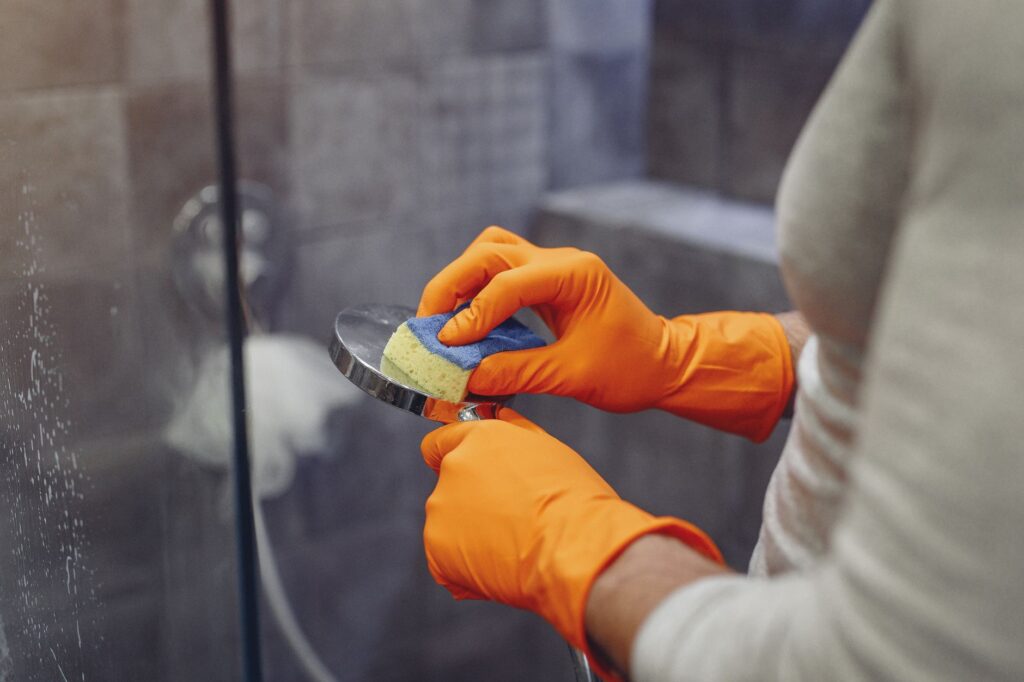
Using an old toothbrush, gently scrub the stained areas. The bristles can help dislodge mold and mineral buildup without damaging the surface of the shower head.
Step 5: Rinse Thoroughly
After scrubbing, rinse the shower head with warm water to remove all cleaning solution residues. Make sure to flush out any loosened debris from the nozzles.
Step 6: Dry the Shower Head
Wipe the shower head with a soft cloth or sponge to prevent water spots and further mold growth. Ensure it’s completely dry.
Best Cleaning Methods
While vinegar and baking soda are excellent for regular cleaning, here are a few more effective methods:
1. Commercial Mold Remover
For severe mold issues, a commercial mold remover can be effective. Follow the manufacturer’s instructions carefully.
2. Bleach Solution
A diluted bleach solution (1 part bleach to 10 parts water) can be used for tough stains. However, use this method sparingly and ensure the bathroom is well-ventilated.
3. Hydrogen Peroxide
Hydrogen peroxide is a natural mold killer. Apply it directly to the stains and let it sit for about 10 minutes before rinsing.
Common Mistakes to Avoid
1. Using Abrasive Cleaners: Avoid using steel wool or harsh scrubbing pads, as they can scratch the surface of your shower head.
2. Not Rinsing Thoroughly: Leaving cleaning products on the surface can lead to further buildup and damage.
3. Ignoring Ventilation: After cleaning, ensure your bathroom is well-ventilated to prevent moisture accumulation.
4. Overlooking the Shower Arm and Wall: Mold and stains can also build up on the shower arm and surrounding tiles, so include them in your cleaning routine.
Prevention Tips
1. Regular Cleaning: Clean your shower head every few weeks to prevent mold and mineral buildup.
2. Use a Shower Curtain or Door: Installing a shower curtain or door can help reduce moisture levels in the air.
3. Improve Ventilation: Use an exhaust fan or open a window while showering to reduce humidity.
4. Wipe Down After Use: After each shower, quickly wipe down the shower head with a towel to remove excess water.
5. Consider a Water Softener: If hard water is an issue, installing a water softener can help reduce mineral buildup.
Frequently Asked Questions
1. How often should I clean my shower head?
It’s advisable to clean your shower head every 3-4 weeks to prevent mold and mineral buildup.
2. Can I use vinegar on all types of shower heads?
Yes, vinegar is safe for most shower heads, but avoid it on certain finishes like brass or gold, as it may cause discoloration.
3. What if my shower head is still clogged after cleaning?
If your shower head remains clogged, consider soaking it in a vinegar solution overnight or replacing it if necessary.
4. Is bleach safe for my shower head?
Bleach can be effective but should be used sparingly and with caution. Always rinse thoroughly and ensure good ventilation.
5. How can I tell if my shower head has hard water stains?
Hard water stains typically appear as white or cloudy spots on the surface of the shower head. They can feel gritty to the touch.
6. Can I prevent mold without cleaning?
While regular cleaning is essential, improving ventilation and reducing moisture can significantly cut down on mold growth.
By following these steps and tips, you can effectively tackle moldy shower head stains and maintain a clean and healthy shower environment. Regular maintenance will save you time and effort in the long run, allowing you to enjoy a cleaner and more pleasant bathing experience.