
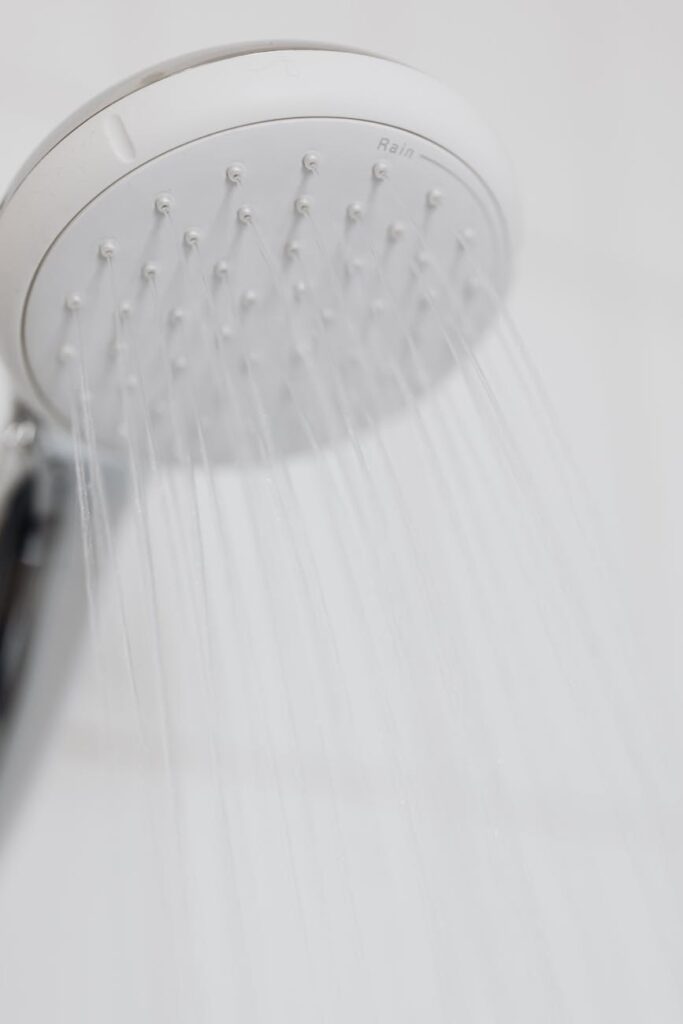
Moldy Shower Head Odours Guide Part 1
Introduction
A moldy shower head can be a source of unpleasant odours that not only affect your bathroom’s freshness but can also be a sign of underlying issues. Understanding what causes these smells and how to effectively tackle them is essential for maintaining a clean and healthy home. In this guide, we’ll explore the root causes of odours from a moldy shower head, provide a step-by-step approach to fixing it, and share preventive measures to keep your shower head odour-free.
What Causes Odours?
The primary culprits behind odours emanating from a moldy shower head are:
1. Mold and Mildew: Moisture creates an ideal environment for mold and mildew growth, leading to musty smells.
2. Mineral Deposits: Hard water can leave mineral build-up that may contribute to unpleasant smells.
3. Bacteria: Warm, damp conditions can encourage bacterial growth, producing foul odours.
4. Soap Scum: Residue from soaps and shampoos can build up and create a breeding ground for odours.
Understanding these factors is the first step toward effective cleaning.
Why This Problem Happens
A shower head is regularly exposed to water, heat, and humidity, which creates the perfect environment for mold and bacteria to thrive. Some common reasons for odour development include:
- Infrequent Cleaning: Neglecting regular cleaning allows for mould and bacteria to accumulate.
- Poor Ventilation: A lack of airflow can trap moisture in the bathroom, exacerbating the problem.
- Hard Water: High mineral content in water can lead to deposits that contribute to odours.
- Old Shower Heads: Older fixtures may have accumulated years of grime, making them more susceptible to odours.
- White vinegar
- Baking soda
- An old toothbrush or soft-bristled brush
- A plastic bag (for soaking)
- Dish soap
- Clean water
- A microfiber cloth
- Vinegar and Baking Soda: This combination is highly effective in breaking down mold and mineral deposits.
- Hydrogen Peroxide: For stubborn mold, spraying a solution of hydrogen peroxide can help disinfect and eliminate odours.
- Dish Soap: Regular use of a mild dish soap can prevent soap scum build-up, which contributes to odours.
Recognizing these causes can help in addressing the issue effectively.
How to Fix Odours (Step-by-Step)
Step 1: Gather Your Supplies
Before you start cleaning, gather the following materials:
Step 2: Remove the Shower Head (if applicable)
1. Turn off the Water: Ensure the water supply to the shower is turned off.
2. Unscrew the Shower Head: Use a wrench if needed, but be careful not to damage the fixture.
3. Inspect for Damage: Check for any visible signs of wear or damage that may need addressing.
Step 3: Soak in Vinegar
1. Fill a Plastic Bag: Pour enough white vinegar into a plastic bag to fully submerge the shower head.
2. Attach the Bag: Secure the bag around the shower head using a rubber band or tape.
3. Let it Sit: Allow it to soak for at least 30 minutes to dissolve mineral deposits and kill bacteria.
Step 4: Scrub the Shower Head
1. Remove the Bag: After soaking, remove the bag and discard the vinegar.
2. Scrub with Baking Soda: Sprinkle baking soda on the shower head and scrub gently with an old toothbrush to remove any remaining grime.
3. Rinse Thoroughly: Rinse the shower head under warm water to remove all residues.
Step 5: Clean the Shower Arm
1. Wipe Down: Use a cloth dampened with a vinegar-dish soap solution to wipe down the shower arm.
2. Rinse Well: Ensure all soap is rinsed off.
Step 6: Reattach and Test
1. Reattach the Shower Head: Screw it back onto the shower arm securely.
2. Turn on the Water: Check for leaks and ensure the water flows freely.
Following these steps should eliminate any odours coming from your shower head.
Best Cleaning Methods
Common Mistakes to Avoid
1. Using Harsh Chemicals: Avoid bleach or abrasive cleaners that can damage your shower head and plumbing.
2. Skipping Regular Maintenance: Neglecting routine cleaning can lead to more severe odour issues down the line.
3. Not Soaking Long Enough: Ensure you allow enough time for vinegar to work effectively on mineral deposits.
4. Ignoring the Surrounding Area: Clean the entire shower area, including tiles and grout, as odours can emanate from these surfaces too.
Prevention Tips
1. Regular Cleaning: Clean your shower head at least once a month to prevent build-up.
2. Improve Ventilation: Use exhaust fans or open windows to keep moisture levels low.
3. Use a Water Softener: If you have hard water, consider installing a water softener to reduce mineral deposits.
4. Wipe Down After Use: After showering, wipe down the shower head and surrounding area to minimize moisture.
Frequently Asked Questions
1. How often should I clean my shower head?
Aim to clean your shower head at least once a month to prevent odours and build-up.
2. Can I use bleach to clean my shower head?
It’s best to avoid bleach, as it can damage your shower fixtures and plumbing. Stick with vinegar and baking soda.
3. What if the odour persists after cleaning?
If the smell continues, check for leaks or mold in the surrounding areas. It may be time to replace the shower head.
4. How can I tell if my shower head is clogged?
If water flows unevenly or sprays in multiple directions, it may be clogged with mineral deposits or mold.
5. Is it safe to use vinegar on all types of shower heads?
Most shower heads are safe for vinegar cleaning, but check the manufacturer’s guidelines for specific materials.
6. What’s the best way to maintain a fresh-smelling bathroom?
Regular cleaning, good ventilation, and quick drying of surfaces after use can significantly enhance your bathroom’s freshness.
By following this guide, you can effectively tackle mouldy shower head odours and maintain a pleasant bathroom environment. Regular maintenance and cleaning can save you from dealing with unpleasant smells in the future.