
Moldy Shower Head Kitchen Guide Part 2
Introduction
A clean kitchen is essential for maintaining a healthy home, and one often overlooked area is the shower head in your kitchen. When mold and mildew begin to accumulate, they can not only look unsightly but also affect the quality of water. This guide will help you understand the causes of this problem, how to effectively clean your shower head, and ways to prevent it from returning.
What Causes Kitchen Moldy Shower Heads?
Mold and mildew thrive in damp environments. Your kitchen shower head, especially if it’s a pull-down or spray model, can be a perfect breeding ground for these fungi. Here are some specific causes:
1. High Humidity: Kitchens can have high moisture levels, especially during cooking.
2. Poor Ventilation: Lack of airflow can trap moisture around the shower head.
3. Water Stagnation: Water that sits in the shower head for extended periods can promote mold growth.
4. Hard Water: Minerals in hard water can create a residue that attracts mold.
Why This Problem Happens
Understanding why mold develops on your kitchen shower head can help you address the issue more effectively. The combination of heat, moisture, and organic materials (like food particles) creates an ideal environment for mold spores to grow. Additionally, if your kitchen lacks proper ventilation, humidity can build up, allowing mold to thrive.
How to Fix Kitchen Moldy Shower Head (Step-by-Step)
Cleaning your moldy shower head is a straightforward process. Follow these steps to restore it to its original condition:
Step 1: Gather Your Supplies
You will need:
- White vinegar
- Baking soda
- A plastic bag
- Rubber bands or twist ties
- An old toothbrush or soft scrub brush
- Water
- A bowl or bucket
- Mix: Combine baking soda with a little water to create a thick paste.
- Apply: Spread the paste over the affected areas and let it sit for 10-15 minutes.
- Scrub and Rinse: Scrub with a brush and rinse thoroughly.
- Spray: Fill a spray bottle with hydrogen peroxide (3% solution).
- Spray: Generously spray the affected areas.
- Let Sit: Allow it to sit for about 30 minutes.
- Scrub and Rinse: Scrub and rinse thoroughly.
- Choose Wisely: If opting for a commercial product, select one specifically designed for mold removal.
- Follow Instructions: Always follow the manufacturer’s instructions for safe and effective use.
Step 2: Prepare the Vinegar Solution
1. Fill a plastic bag with white vinegar.
2. Submerge the shower head in the bag, ensuring it’s fully covered.
3. Secure the bag with a rubber band or twist tie around the neck of the shower head.
Step 3: Soak the Shower Head
Leave the shower head to soak in the vinegar for at least 30 minutes. For heavy mold buildup, you may want to extend this time to several hours or even overnight.
Step 4: Scrub the Shower Head
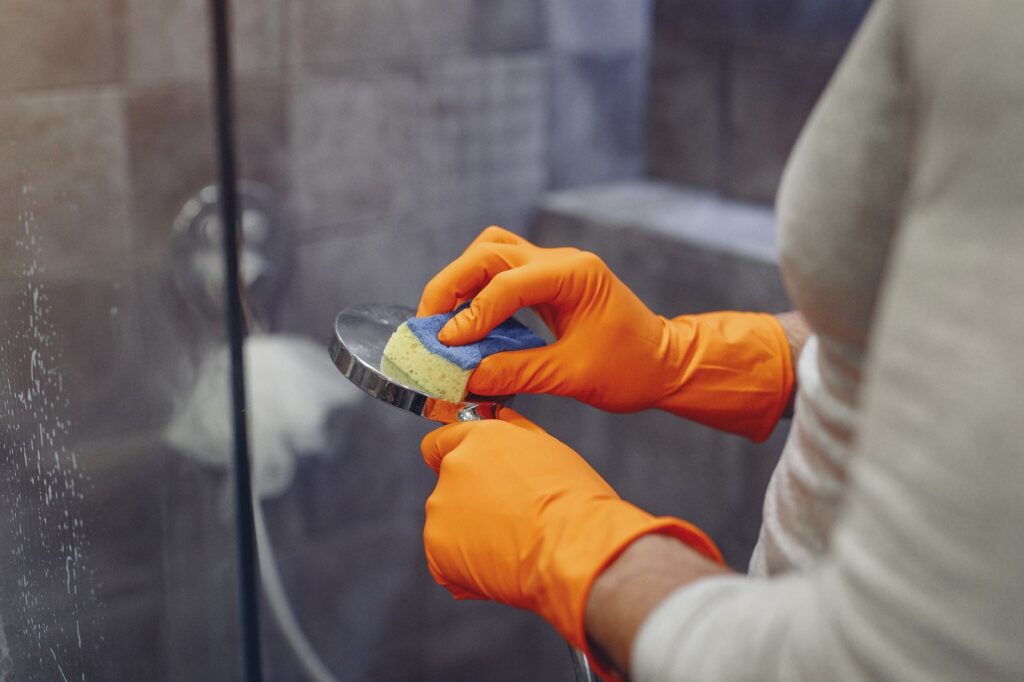
After soaking, remove the bag and pour the remaining vinegar into a bowl. Dip an old toothbrush into the vinegar and scrub the shower head, focusing on areas showing mold or buildup.
Step 5: Rinse Thoroughly
Once scrubbed, rinse the shower head thoroughly with warm water to remove any remaining vinegar and loosened mold. Make sure to run the water for a few minutes to flush out any remaining debris.
Step 6: Dry the Shower Head
Use a clean cloth to wipe down the shower head and remove any excess moisture. This will help prevent mold from returning.
Best Cleaning Methods
While vinegar is a popular and effective method for cleaning moldy shower heads, there are other methods you can consider:
1. Baking Soda Paste
2. Hydrogen Peroxide
3. Commercial Mold Removers
Common Mistakes to Avoid
To ensure effective cleaning and prevention, avoid these common mistakes:
1. Neglecting Regular Maintenance: Failing to clean regularly can lead to more severe mold issues.
2. Using Abrasive Tools: Using steel wool or rough scrubbers can damage the finish of your shower head.
3. Ignoring Ventilation: Not addressing the root cause of humidity can lead to recurring mold.
4. Overusing Cleaning Products: Excessive use of harsh chemicals can leave residue and create health hazards.
Prevention Tips
Preventing mold from returning is key to maintaining a clean kitchen. Here are some practical tips:
1. Improve Ventilation: Use exhaust fans or open windows while cooking to reduce humidity.
2. Wipe Down After Use: Regularly wipe the shower head dry after each use to minimize moisture.
3. Use a Water Softener: If you have hard water, consider installing a water softener to reduce mineral buildup.
4. Regular Inspections: Check your shower head regularly for signs of mold and clean it as needed.
Frequently Asked Questions
1. How often should I clean my kitchen shower head?
Cleaning your kitchen shower head every month is a good practice to prevent mold buildup.
2. Can I use bleach to clean the mold?
While bleach can kill mold, it’s not recommended for shower heads as it can damage finishes and create harmful fumes when mixed with other products.
3. What if the mold keeps coming back?
If mold keeps returning, investigate potential humidity issues in your kitchen and improve ventilation.
4. Is hard water the main cause of mold growth?
Hard water can contribute to mineral buildup, which may attract mold, but humidity and poor ventilation are the primary culprits.
5. Can I remove the shower head for cleaning?
Yes, if easier, you can remove the shower head for a more thorough cleaning. Just ensure to follow the manufacturer’s instructions for reattachment.
6. Is mold in my shower head harmful?
While it may not pose a significant health risk, mold can affect water quality and contribute to allergies. Regular cleaning is essential.
By following these practical steps and tips, you can maintain a clean and mold-free kitchen shower head, ensuring your kitchen remains a healthy space for you and your family.