
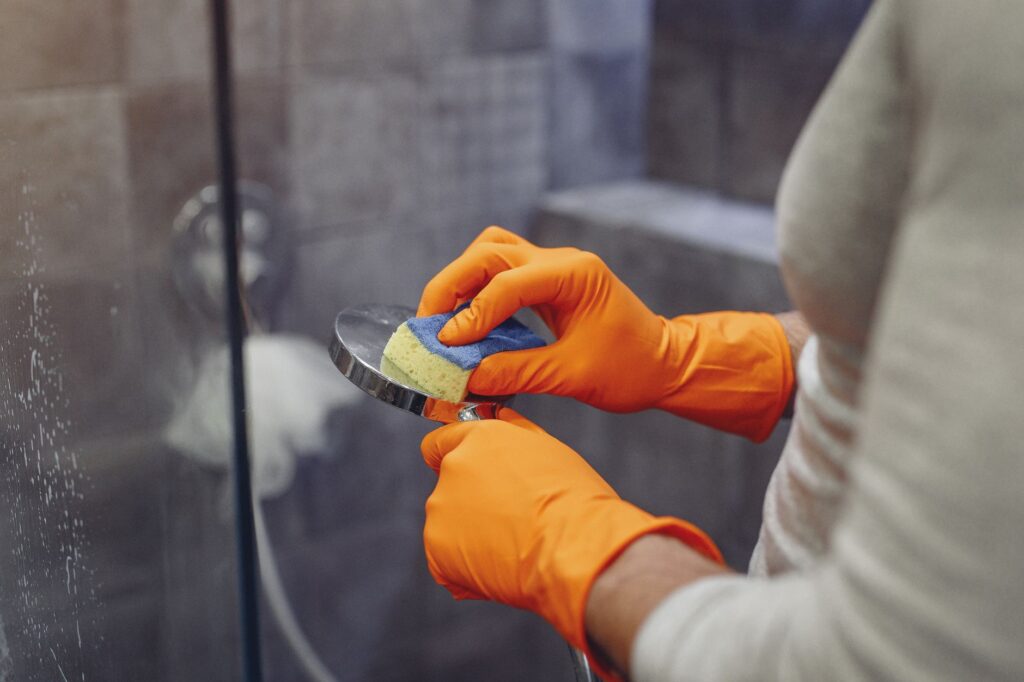
Moldy Shower Head Cleaning Guide Part 2
Introduction
A moldy shower head can turn your daily shower into a less-than-pleasant experience. Not only is it unsightly, but it can also affect water flow and may even harbor bacteria. This guide will walk you through the causes of mold in shower heads, effective cleaning methods, and tips for preventing future growth.
What Causes Moldy Shower Heads?
Mold thrives in damp environments, making your bathroom, particularly the shower head, an ideal breeding ground. Key contributors include:
- Humidity: Bathrooms are often humid due to showers and baths. This moisture can settle in and around the shower head.
- Lack of Ventilation: Poor air circulation allows moisture to linger, promoting mold growth.
- Hard Water: Mineral deposits from hard water can create an environment conducive to mold.
- Infrequent Cleaning: Neglecting regular cleaning allows mold and mildew to establish themselves.
- Warm Temperatures: Showers provide warm, moist air that is conducive to mold growth.
- Organic Matter: Soap scum, dead skin cells, and hair can accumulate and provide nutrients for mold.
- Old Shower Heads: Older fixtures may have more crevices for mold to take hold.
- White vinegar
- Baking soda
- A plastic bag
- Rubber bands or twist ties
- An old toothbrush or soft scrub brush
- A clean cloth or sponge
Why This Problem Happens
Understanding why mold forms on your shower head can help you tackle the problem effectively.
Addressing these underlying issues is crucial for effective mold removal and prevention.
How to Fix Moldy Shower Heads (Step-by-Step)
Follow these straightforward steps to clean your moldy shower head effectively:
Step 1: Gather Your Supplies
You will need:
Step 2: Prepare the Vinegar Solution
Fill a plastic bag with enough white vinegar to submerge the shower head. If you have a detachable shower head, this will be easier. Otherwise, you can simply soak the head in the bag.
Step 3: Secure the Bag
Place the bag over the shower head, ensuring it is fully submerged in the vinegar. Use rubber bands or twist ties to secure it in place.
Step 4: Soak
Allow the shower head to soak for at least 30 minutes. For heavy mold buildup, you may want to leave it for a few hours or overnight.
Step 5: Scrub
Remove the bag and discard the vinegar. Use an old toothbrush or soft scrub brush to scrub away any remaining mold or mineral deposits. Pay special attention to the nozzles.
Step 6: Rinse
Rinse the shower head thoroughly with warm water. Make sure no vinegar or debris remains.
Step 7: Dry
Wipe the shower head dry with a clean cloth to prevent future mold growth.
Best Cleaning Methods
While the vinegar method is effective, there are other ways to tackle mold:
1. Baking Soda Paste
Mix baking soda with water to create a paste. Apply it to the shower head and let it sit for 15-20 minutes before scrubbing and rinsing.
2. Hydrogen Peroxide
Hydrogen peroxide is an excellent mold killer. Spray it directly on the moldy areas and let it sit for 10-15 minutes before scrubbing and rinsing.
3. Commercial Cleaners
If natural methods don’t work for you, consider using a commercial mold or mildew remover. Always follow the instructions on the label.
Common Mistakes to Avoid
1. Using Abrasive Cleaners: Avoid steel wool or abrasive pads that can scratch the surface of your shower head.
2. Not Rinsing Thoroughly: Failing to rinse off cleaning solutions can lead to buildup and further mold growth.
3. Neglecting the Hose: If you have a handheld shower head, don’t forget to clean the hose, as mold can grow there too.
4. Ignoring Hard Water: If you have hard water, consider using a water softener to reduce mineral buildup, which can harbor mold.
5. Overlooking Ventilation: Failing to address humidity levels in your bathroom can lead to recurring mold issues.
Prevention Tips
To keep your shower head mold-free, consider these preventative measures:
1. Improve Ventilation
Install an exhaust fan or keep a window open during and after showers to reduce humidity.
2. Regular Cleaning
Incorporate shower head cleaning into your monthly cleaning routine. A simple vinegar rinse can help prevent mold buildup.
3. Use a Water Softener
If you have hard water, a water softener can minimize mineral deposits that trap moisture.
4. Keep the Area Dry
After each shower, wipe down the shower head and surrounding areas with a towel to keep them dry.
5. Choose Mold-Resistant Products
Look for mold-resistant shower heads and fixtures, which can help reduce mold growth.
Frequently Asked Questions
1. How often should I clean my shower head?
Aim to clean your shower head at least once a month to prevent mold buildup.
2. Can I use bleach to clean my shower head?
While bleach is effective at killing mold, it can be harsh on certain materials. Use it as a last resort, and always rinse thoroughly.
3. What if my shower head is still clogged after cleaning?
If cleaning doesn’t resolve clogs, consider replacing the shower head or consult a plumber for further assistance.
4. Is it safe to use vinegar on all types of shower heads?
Vinegar is generally safe for most materials, but always check the manufacturer’s guidelines for specific care instructions.
5. What if I have persistent mold issues?
If mold keeps returning, assess your bathroom’s ventilation and humidity levels. You may need to install a fan or dehumidifier.
6. Can I prevent mold without cleaning?
Preventing mold requires both cleaning and moisture control. Regular upkeep is essential for a mold-free environment.
By following these guidelines, you can effectively tackle the issue of a moldy shower head and keep it clean and healthy for your family. Regular attention to cleaning and maintenance will ensure your shower remains a refreshing space.