
Moldy Shower Head Bathroom Guide Part 2
Introduction
A moldy shower head is not just an eyesore; it can also affect your shower experience and water quality. Mold thrives in damp, warm environments, making the bathroom a prime target. This guide will walk you through understanding the causes, fixing the issue, and preventing future problems. Let’s get to it!
What Causes Bathroom Mold on Shower Heads?
Mold develops primarily due to excess moisture and lack of ventilation. In bathrooms, the following factors contribute to mold growth on shower heads:
1. High Humidity Levels: Bathrooms are often humid due to hot showers, creating an ideal environment for mold.
2. Stagnant Water: Water that remains in the shower head after use can lead to mold.
3. Poor Ventilation: Bathrooms without proper airflow can trap moisture.
4. Dirty Water: Minerals and organic matter in water can promote mold growth.
Why This Problem Happens
Understanding why mold grows is crucial in addressing the issue effectively. Here are the main reasons:
- Warmth and Moisture: Mold spores thrive in warm, moist conditions, making shower heads a perfect breeding ground.
- Organic Material: Soap scum, shampoo residues, and mineral deposits provide nutrients for mold.
- Neglected Maintenance: Many homeowners overlook cleaning their shower heads regularly, allowing mold to establish itself.
- Infrequent Use: If a bathroom is not used often, stagnant water can accumulate, increasing the chance of mold.
- White vinegar or baking soda
- A plastic bag or bowl
- A scrub brush or old toothbrush
- A microfiber cloth
- Rubber gloves (optional)
- Using Abrasive Cleaners: Avoid scouring pads or harsh chemicals that might damage the finish.
- Neglecting Regular Maintenance: Cleaning only when mold appears can lead to persistent issues.
- Ignoring Ventilation: Failing to ventilate the bathroom can exacerbate the problem.
- Not Rinsing Properly: Leaving cleaning agents on the shower head can lead to residue buildup.
How to Fix Bathroom Mold on Shower Heads (Step-by-Step)
Removing mold from your shower head doesn’t have to be a daunting task. Follow these steps to tackle the problem effectively:
Step 1: Gather Your Supplies
You’ll need:
Step 2: Remove the Shower Head
If possible, unscrew the shower head for easier cleaning. If not, you can still clean it in place.
Step 3: Soak in Vinegar
1. For Removable Shower Heads: Place the shower head in a bowl of white vinegar. Let it soak for at least 1 hour.
2. For Non-Removable Shower Heads: Fill a plastic bag with vinegar, secure it around the shower head with a rubber band, and let it soak.
Step 4: Scrub the Mold Away
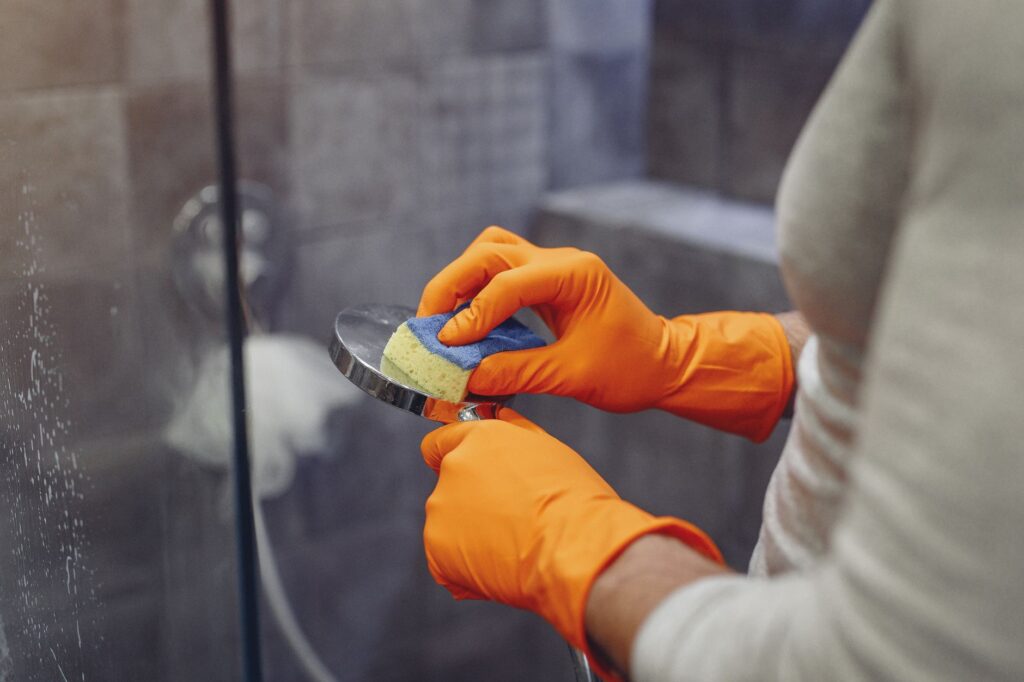
After soaking, use your scrub brush or old toothbrush to scrub the shower head. Focus on areas with visible mold or mineral deposits.
Step 5: Rinse Thoroughly
After scrubbing, rinse the shower head with hot water to remove any remaining vinegar and mold.
Step 6: Reattach and Run Water
If you removed the shower head, reattach it and run hot water for a few minutes. This helps flush out any remaining debris.
Best Cleaning Methods
While soaking in vinegar is effective, there are alternative methods you can use:
1. Baking Soda Paste: Mix baking soda with water to create a paste. Apply it to the affected areas and scrub.
2. Hydrogen Peroxide: Spray hydrogen peroxide directly on the mold and let it sit for 10 minutes before scrubbing.
3. Commercial Cleaners: If you prefer store-bought solutions, look for mold and mildew removers specifically designed for bathroom use.
Common Mistakes to Avoid
When cleaning a moldy shower head, avoid these pitfalls:
Prevention Tips
Preventing mold growth is easier than dealing with it after it appears. Here are some proactive measures:
1. Ventilate: Always use an exhaust fan or open a window while showering.
2. Wipe Down: After each shower, wipe down the shower head and walls to remove excess moisture.
3. Regular Cleaning: Schedule regular cleanings of your shower head—aim for once a month.
4. Install a Water Softener: If your water has high mineral content, consider a water softener to reduce deposits.
5. Use Mold-Resistant Products: Consider mold-resistant paints and sealants for your bathroom surfaces.
Frequently Asked Questions
1. How often should I clean my shower head?
Aim to clean your shower head at least once a month to prevent mold buildup.
2. Can I use bleach to clean my shower head?
While bleach can kill mold, it can also damage the finish of your shower head. Use vinegar or baking soda instead.
3. What if my shower head is still clogged after cleaning?
If cleaning doesn’t resolve clogs, you may need to replace the shower head or consult a plumber.
4. How do I know if my shower head is permanently damaged?
Signs of permanent damage include rust, corrosion, or severe mineral buildup that cannot be removed.
5. Can mold in my shower head affect my health?
While not typically harmful, mold can trigger allergies and respiratory issues in sensitive individuals.
6. Is there a natural product I can use to prevent mold?
Regularly using vinegar or essential oils like tea tree oil can help inhibit mold growth naturally.
By following these guidelines, you can effectively manage and prevent mold on your shower head, ensuring a cleaner and healthier bathroom environment. Happy cleaning!