
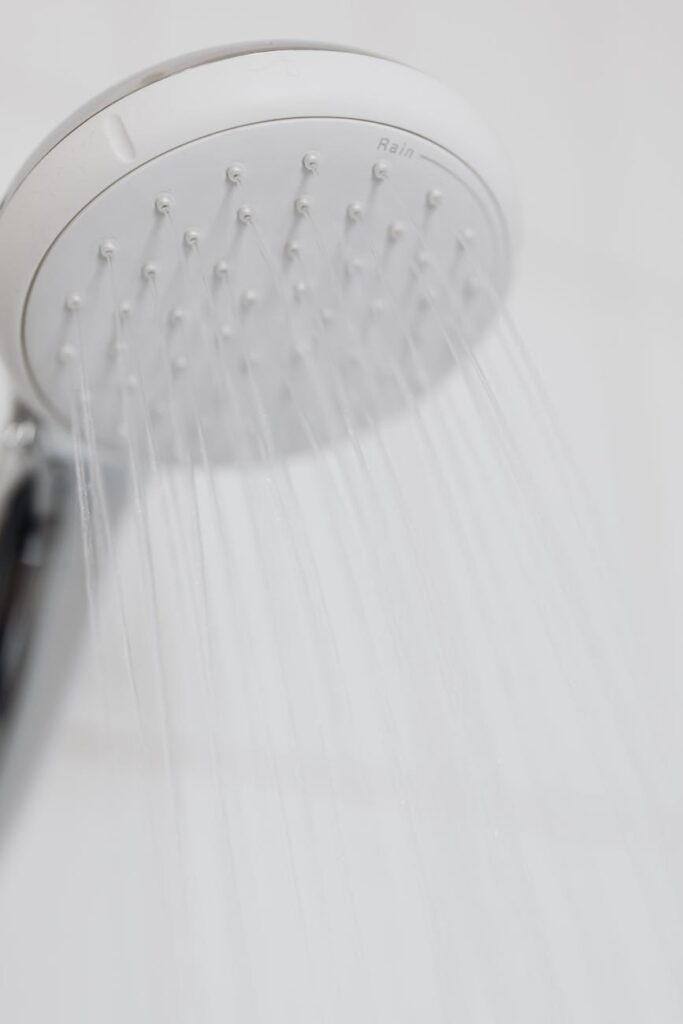
Moldy Shower Head Appliances Guide Part 1
Introduction
A moldy shower head isn’t just unsightly; it can also affect the water flow and quality of your showers. If you’ve noticed black spots or a musty odor emanating from your shower head, it’s time to take action. This guide will help you understand why your shower head gets moldy, how to effectively clean it, and how to prevent future mold growth.
What Causes Appliances?
Moldy shower heads are primarily caused by moisture, lack of airflow, and organic matter. Here are the main contributors:
1. Humidity: Bathrooms are typically humid environments, which is perfect for mold growth.
2. Mineral Deposits: Hard water can leave mineral deposits, providing a surface for mold to cling to.
3. Organic Matter: Soap scum, hair, and other organic debris can accumulate in your shower head, feeding mold.
Why This Problem Happens
Understanding why mold develops on your shower head can guide you in treating and preventing it.
- Condensation: After a hot shower, water droplets can linger on the shower head, promoting mold.
- Infrequent Cleaning: Many homeowners neglect regular cleaning, allowing mold spores to thrive.
- Poor Ventilation: A bathroom without proper ventilation will trap humidity, creating a breeding ground for mold.
- White vinegar or hydrogen peroxide
- A plastic bag or bowl
- A soft brush (toothbrush works well)
- Baking soda (optional)
- Rubber bands or string
- Using Abrasive Cleaners: Strong chemicals or abrasive pads can damage the finish of your shower head.
- Neglecting to Rinse: Failing to rinse thoroughly can leave behind residues that may attract more mold.
- Ignoring the Surrounding Areas: Mold can spread to other parts of the bathroom. Clean the shower walls, tiles, and other surfaces regularly.
How to Fix Appliances (Step-by-Step)
Cleaning a moldy shower head is straightforward. Follow these steps for effective results:
Step 1: Gather Your Materials
Before you start, gather these cleaning supplies:
Step 2: Detach the Shower Head (if possible)
If your shower head is detachable, unscrew it from the pipe. If it’s fixed, you can still clean it effectively while it’s in place.
Step 3: Soak in Cleaning Solution
For Detachable Shower Heads:
1. Fill a plastic bag with equal parts vinegar and water.
2. Submerge the shower head in the mixture, securing the bag with rubber bands or string.
3. Let it soak for at least 1 hour.
For Fixed Shower Heads:
1. Pour vinegar directly over the shower head, ensuring it saturates the moldy areas.
2. Leave it for about 30 minutes.
Step 4: Scrub Away the Mold
After soaking, use a soft brush to scrub the shower head. Pay special attention to the nozzles where mold tends to accumulate. If necessary, make a paste of baking soda and vinegar for tougher spots.
Step 5: Rinse Thoroughly
After scrubbing, rinse the shower head under warm water to wash away all cleaning solution and debris. If you used a bag, run water through the shower head to clear out any residue.
Step 6: Reattach and Test
If you detached the shower head, screw it back on securely. Turn on the water to ensure it’s functioning properly.
Best Cleaning Methods
Several cleaning methods can effectively tackle mold on your shower head. Here are some of the best:
1. Vinegar: A natural disinfectant that breaks down mineral deposits and kills mold spores.
2. Hydrogen Peroxide: Effective against many types of mold and mildew. Use it in the same way as vinegar.
3. Baking Soda: This can be used as a gentle abrasive cleaner when combined with vinegar.
4. Commercial Mold Cleaners: If natural methods don’t work, consider using a commercial mold remover. Always follow the manufacturer’s instructions.
Common Mistakes to Avoid
When cleaning your moldy shower head, avoid these pitfalls:
Prevention Tips
Once you’ve cleaned your moldy shower head, implement these strategies to prevent future growth:
1. Ventilation: Ensure your bathroom is well-ventilated. Use an exhaust fan or open a window during and after showers.
2. Regular Cleaning: Make it a habit to clean your shower head monthly to prevent the buildup of mold and mineral deposits.
3. Dry the Shower Head: After each use, wipe down the shower head with a towel to remove excess moisture.
4. Use a Water Softener: If your water is hard, a water softener can reduce mineral buildup.
5. Keep It Dry: Consider using a shower curtain or door that minimizes water splatter and retains moisture.
Frequently Asked Questions
1. How often should I clean my shower head?
Aim to clean your shower head at least once a month to prevent mold growth.
2. Can I use bleach to clean my shower head?
While bleach is effective against mold, it can be harsh and damaging. It’s best to use vinegar or hydrogen peroxide for a safer alternative.
3. What if my shower head is still clogged after cleaning?
Try soaking it longer in vinegar or using a toothpick to clear stubborn clogs.
4. Will boiling water kill mold on my shower head?
Boiling water can kill some mold, but it may not effectively remove mineral deposits. Soaking in vinegar is a more effective method.
5. Is it safe to leave vinegar in my shower head overnight?
Yes, leaving vinegar in your shower head overnight can enhance its cleaning effectiveness, especially for tough mold.
6. How do I clean a shower head with a built-in filter?
Consult the manufacturer’s instructions for cleaning. Generally, soaking the filter in vinegar can help, but avoid submerging any electrical components.
By following this guide, you can effectively manage and prevent mold growth on your shower head, ensuring a cleaner and healthier shower experience.