
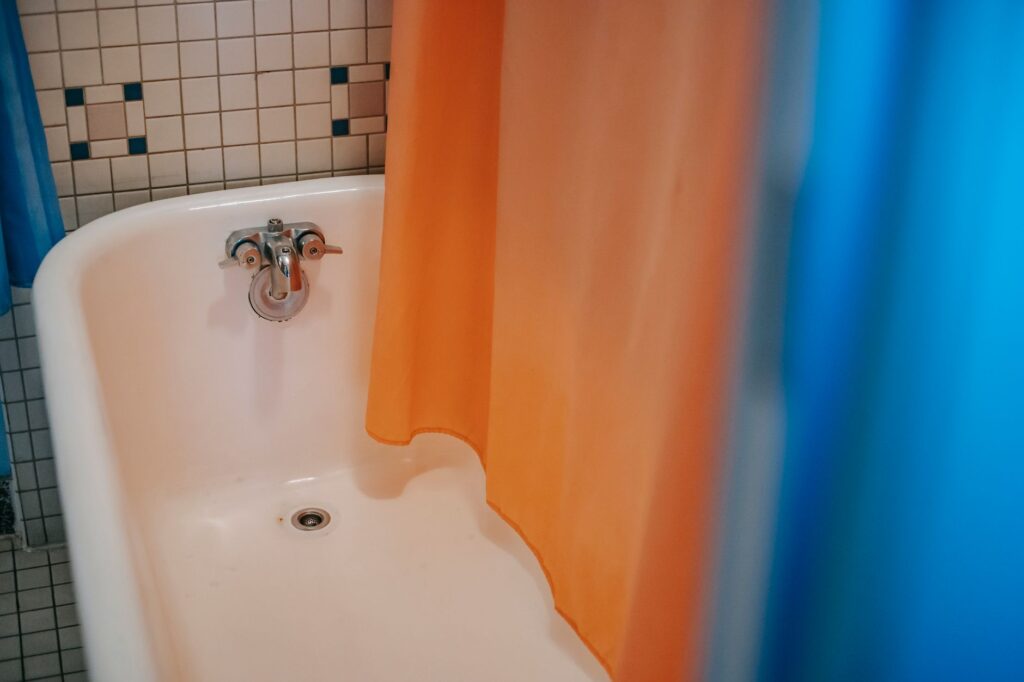
Moldy Shower Curtain Odours Guide Part 2
Introduction
A fresh-smelling bathroom is essential for a pleasant home environment. However, moldy shower curtains can quickly turn your sanctuary into a smelly mess. If you’ve experienced unpleasant odours emanating from your shower curtain, you’re not alone. In this guide, we’ll explore the causes of these odours, effective cleaning methods, and tips to prevent them from returning.
What Causes Odours?
Moldy shower curtain odours primarily stem from mold and mildew growth. These fungi thrive in damp, warm environments, making your bathroom an ideal breeding ground. Here’s a breakdown of what contributes to these odours:
- Humidity: Bathrooms often have high humidity, especially after showers.
- Poor Ventilation: Lack of airflow allows moisture to accumulate, promoting mold growth.
- Soap Residue: Residue from soaps and shampoos can provide nutrients for mold.
- Lack of Cleaning: Infrequent cleaning allows dirt and grime to build up.
- Check the care label for washing instructions.
- Place the curtain in the washing machine with a few towels. The towels will help scrub the curtain during the wash.
- Use hot water and a cup of white vinegar along with your regular detergent. Vinegar helps kill mold spores and neutralizes odours.
- Fill a tub or large basin with hot water.
- Add a cup of baking soda and a cup of white vinegar.
- Submerge the curtain and scrub gently with a soft brush or cloth. Focus on stained areas.
- Ignoring the Liner: Mold can grow on liners just as easily as on curtains. Don’t forget to clean them as well.
- Using Cold Water: Cold water won’t kill mold spores effectively. Always use hot water when cleaning.
- Neglecting Ventilation: Failing to ventilate your bathroom can lead to recurring issues. Always keep the area dry.
- Overusing Products: Using too much detergent or cleaner can leave residue, attracting more dirt and odours.
- Ventilate: Use an exhaust fan or open windows during and after showers to reduce humidity.
- Squeegee After Use: Use a squeegee to remove excess water from the curtain after each shower.
- Regular Cleaning: Clean your shower curtain at least once a month to prevent mold buildup.
- Use a Shower Spray: Consider using a daily shower spray to keep mildew at bay.
- Choose Synthetic Fabrics: Opt for quick-drying, mold-resistant materials for your shower curtain.
Why This Problem Happens
Understanding why your shower curtain develops odours is crucial for effective cleaning. Here are the primary reasons:
1. Moisture Accumulation: When wet fabrics are not dried properly, moisture lingers, allowing mold and mildew to thrive.
2. Organic Material: Hair, soap, and skin cells can accumulate on the curtain and serve as food for mold.
3. Temperature Fluctuations: Warm air from showers can condense on cooler surfaces like curtain liners, creating a perfect breeding ground.
4. Infrequent Cleaning: Shower curtains often get overlooked in cleaning routines, allowing odors to develop.
How to Fix Odours (Step-by-Step)
If you’re dealing with a smelly shower curtain, follow these steps to eliminate the odour:
Step 1: Remove the Curtain
Carefully take the shower curtain down to avoid spreading mold spores. If it has a liner, remove that too.
Step 2: Inspect the Curtain
Check for visible signs of mold or mildew. If you find any, take note of the worst affected areas.
Step 3: Pre-Treat Stains
Create a paste using baking soda and water. Apply it to the stained areas and let it sit for about 15-20 minutes.
Step 4: Wash the Curtain
Machine Washing:
Hand Washing:
Step 5: Rinse Thoroughly
Make sure to rinse the curtain well in cold water to remove any detergent or cleaning residue.
Step 6: Dry Completely
Hang the curtain outside in the sun if possible, as UV rays can help kill remaining spores. If that’s not an option, hang it in a well-ventilated area. Ensure it dries completely to prevent future mold growth.
Best Cleaning Methods
Here are the most effective cleaning methods for tackling moldy shower curtain odours:
1. White Vinegar
White vinegar is a natural disinfectant and deodorizer. Use it in the washing machine or for hand washing to eliminate both odours and mold.
2. Baking Soda
Baking soda is great for pre-treating stains and absorbing odours. It works well in combination with vinegar.
3. Commercial Mold Cleaners
If natural methods aren’t doing the trick, consider using a commercial mold and mildew cleaner. Ensure it’s suitable for fabrics.
Common Mistakes to Avoid
When dealing with moldy shower curtains, avoid these pitfalls:
Prevention Tips
Prevention is key to maintaining a fresh-smelling shower curtain. Here are some actionable tips:
Frequently Asked Questions
1. How often should I clean my shower curtain?
Aim to clean your shower curtain at least once a month to prevent mold and odours.
2. Can I use bleach to clean my shower curtain?
Bleach can be effective but may damage certain fabrics. Always check the care label and proceed with caution.
3. What if my shower curtain still smells after washing?
If the smell persists, consider re-washing it with a higher concentration of vinegar or using a commercial cleaner specifically designed for mold.
4. How can I remove stubborn stains from a shower curtain?
Pre-treat with baking soda paste and scrub gently before washing. If needed, repeat the process as necessary.
5. Is it safe to wash a shower curtain in the machine?
Yes, as long as you follow the care instructions on the label. Most fabric curtains are machine washable.
6. Can I use a fabric softener when washing my shower curtain?
It’s best to avoid fabric softeners, as they can leave a residue that attracts dirt and mildew.
By following these guidelines, you can effectively deal with moldy shower curtain odours and keep your bathroom fresh and clean. Regular maintenance and preventive measures will ensure your shower curtain remains a pleasant part of your home.