
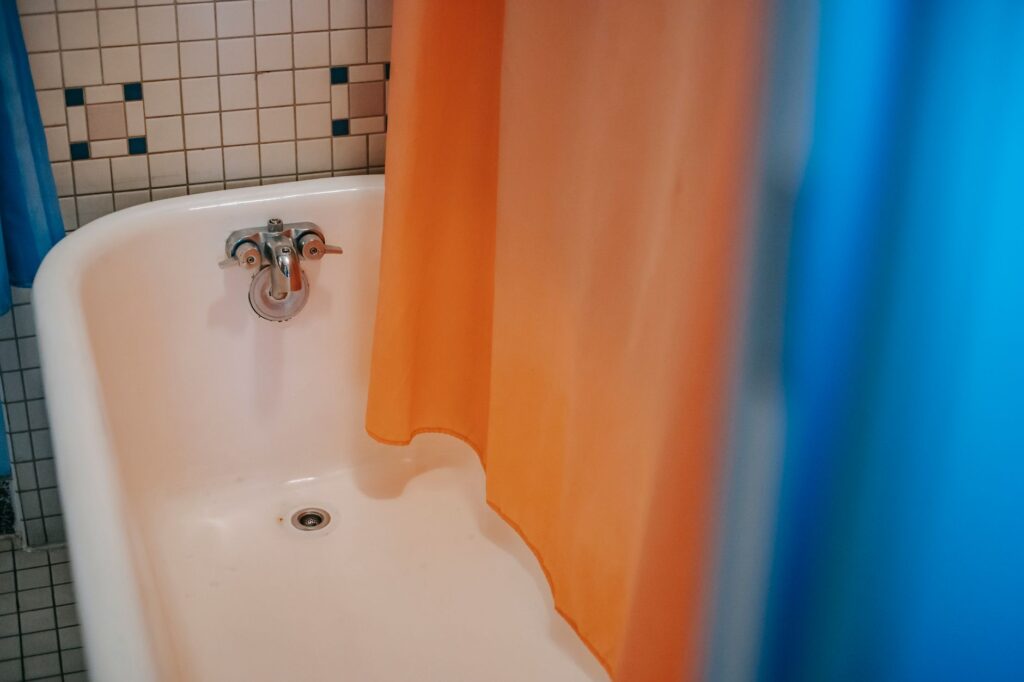
Moldy Shower Curtain Mould & Damp Guide Part 2
Introduction
A moldy shower curtain can turn your bathroom from a sanctuary into a breeding ground for dampness and unpleasant odors. This guide aims to equip you with practical solutions to tackle and prevent mold and damp issues associated with shower curtains. Understanding the root causes and knowing effective cleaning methods will help you maintain a fresh and hygienic bathroom.
What Causes Mould & Damp?
Mold thrives in moist environments, and bathrooms are prime locations due to their high humidity levels. The main causes of mold and dampness on shower curtains include:
- High Humidity: Showers produce steam, which increases moisture levels.
- Poor Ventilation: Lack of airflow traps humidity, creating a perfect environment for mold.
- Dirty Surfaces: Soap scum and body oils provide nutrients for mold growth.
- Water Accumulation: Pooling water on the curtain or the rod can lead to dampness.
- Use a sponge or cloth dipped in the vinegar solution and scrub the affected areas.
- Ignoring Ventilation: Failing to keep the bathroom well-ventilated will perpetuate the problem. Always use an exhaust fan or open a window during and after showers.
- Not Cleaning Regularly: Mold can grow quickly. Clean your shower curtain at least once a month to stay ahead of mold growth.
- Using Too Much Detergent: Excess detergent can leave a residue that attracts dirt and moisture, leading to mold growth.
- Neglecting the Shower Rod: Mold can grow on the shower rod too. Regularly clean it with vinegar or a disinfectant.
Why This Problem Happens
Understanding why mold and dampness occur can help you take preventive measures. When warm, moist air from a shower meets cooler surfaces, condensation forms. This process, combined with the presence of organic materials like soap and grime, encourages mold spores to settle and grow. If not addressed quickly, the mold can become deeply embedded in the fabric, making it difficult to remove.
How to Fix Mould & Damp (Step-by-Step)
Step 1: Remove the Curtain
Start by taking the shower curtain down from its rod. If it’s machine washable, check the care label for specific washing instructions.
Step 2: Pre-Treat Stains
For visible mold spots, mix equal parts of white vinegar and water in a spray bottle. Spray the affected areas and let it sit for about 15 minutes. This will help break down the mold before washing.
Step 3: Wash the Curtain
If the curtain is machine washable:
1. Place it in the washing machine with a few towels (to help scrub the fabric).
2. Use hot water and a mild detergent.
3. Add a cup of white vinegar to the rinse cycle to help kill any remaining mold spores.
If the curtain is not washable:
Step 4: Dry Thoroughly
After washing, hang the curtain back up to air-dry. Ensure that it is fully extended and not bunched up to prevent new mold growth. If possible, dry it in direct sunlight, as UV rays are natural mold killers.
Step 5: Inspect and Repeat
Once dry, inspect the curtain for any remaining mold. If necessary, repeat the cleaning process until all mold is removed.
Best Cleaning Methods
1. Vinegar Solution
Vinegar is a natural disinfectant. Mix one part vinegar with one part water in a spray bottle and apply directly to moldy areas. Let it sit for 10-15 minutes before wiping off.
2. Baking Soda Paste
For tougher stains, create a paste using baking soda and water. Apply it to the moldy areas, scrub gently, and rinse thoroughly.
3. Bleach Solution (Use with caution)
For serious mold infestations, a diluted bleach solution (1 cup of bleach to 1 gallon of water) can be effective. However, ensure good ventilation and wear gloves. Rinse thoroughly after treatment.
Common Mistakes to Avoid
Prevention Tips
1. Improve Ventilation: Install an exhaust fan or ensure windows can be opened to allow airflow.
2. Use a Squeegee: After each shower, use a squeegee to remove excess water from the curtain.
3. Wash Regularly: Incorporate the shower curtain into your regular cleaning schedule.
4. Choose Mold-Resistant Curtains: Consider investing in a mold-resistant shower curtain made from synthetic materials.
5. Keep Bathroom Dry: Wipe down surfaces after use to reduce moisture levels.
6. Use a Dehumidifier: In particularly damp climates, a dehumidifier can help keep humidity levels in check.
Frequently Asked Questions
1. How often should I clean my shower curtain?
Aim to clean your shower curtain at least once a month to prevent mold build-up.
2. Can I use fabric softeners on my shower curtain?
Avoid fabric softeners, as they can create a residue that attracts dirt and moisture.
3. What should I do if my curtain is not machine washable?
If your shower curtain is not machine washable, use a vinegar solution or baking soda paste to scrub the mold off by hand.
4. How can I tell if my curtain is mold-free after cleaning?
Inspect the curtain for any visible stains or a musty smell. If it looks clean and smells fresh, it’s likely mold-free.
5. What are the best materials for shower curtains to resist mold?
Look for curtains made from synthetic materials like polyester or nylon, as they are less likely to absorb moisture compared to cotton.
6. Is it safe to use bleach on a shower curtain?
Bleach can be effective for tough mold stains but should be used cautiously. Always rinse thoroughly and ensure good ventilation while using it.
By following this guide, you can effectively tackle mold and damp issues in your bathroom. Remember to keep an eye on humidity levels and clean regularly to maintain a healthy environment.