
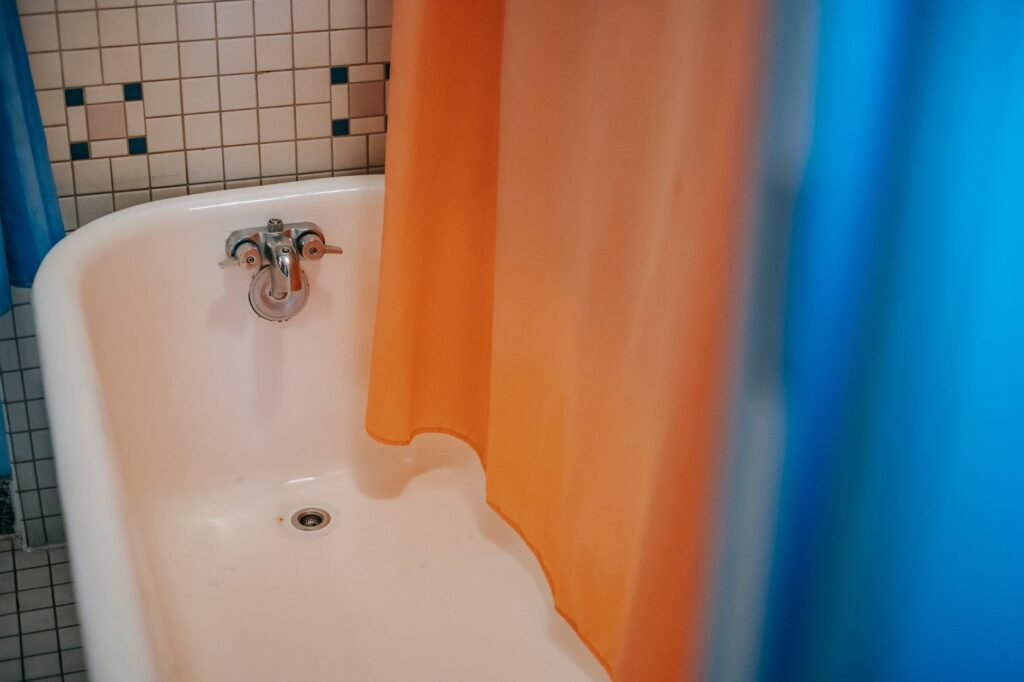
Moldy Shower Curtain Laundry Guide Part 2
Introduction
A moldy shower curtain can be an unsightly and unhygienic problem in your bathroom. Not only does it affect the look of your space, but it can also lead to unpleasant odors and potential health risks. In this guide, we’ll dive into the causes of mold on shower curtains, how to effectively tackle the issue, and the best preventive measures to keep your bathroom fresh and clean.
What Causes Laundry?
The term “laundry” in this context refers to the accumulation of dirt, grime, and especially mold on your shower curtain. Mold thrives in moist environments, making your shower curtain a prime target. When water droplets from showers settle on the curtain and are not properly dried, it creates a perfect breeding ground for mold and mildew.
Why This Problem Happens
Several factors contribute to the development of mold on shower curtains:
1. Humidity: Bathrooms are generally humid spaces, especially during and after showers. High humidity levels create an environment where mold can flourish.
2. Lack of Airflow: Poor ventilation in bathrooms can prevent moisture from evaporating, leading to mold growth.
3. Material: Some shower curtains are made of materials that are more susceptible to mold and mildew, such as fabric or plastic.
4. Infrequent Cleaning: If shower curtains are not cleaned regularly, dirt and moisture accumulate, providing food for mold spores.
5. Temperature: Warm temperatures can accelerate mold growth. If your bathroom is consistently warm and damp, mold is more likely to thrive.
How to Fix Laundry (Step-by-Step)
Cleaning a moldy shower curtain is a straightforward process. Follow these steps for effective results:
Step 1: Gather Your Supplies
- Washing machine (if your curtain is machine washable)
- Mild detergent
- White vinegar
- Baking soda (optional)
- Scrub brush or sponge
- Spray bottle
- Cloth for drying
- Spray the affected areas with a mixture of equal parts white vinegar and water. Let it sit for about 10-15 minutes.
- Mix 1 cup of baking soda with water to form a paste. Apply this to the moldy areas and let it sit for 30 minutes.
- Machine Washable Curtains:
- Place the curtain in the washing machine with a cup of white vinegar and a mild detergent. Run on a gentle cycle with warm water.
- Non-Machine Washable Curtains:
- Use a scrub brush or sponge to gently scrub the curtain with the baking soda paste. Rinse thoroughly with warm water.
- Hang the curtain outside in the sun if possible, as UV rays can help kill any lingering mold spores. If that’s not an option, hang it in a well-ventilated area to air dry completely.
Step 2: Check Care Instructions
Before starting, check the care label on your shower curtain. Some curtains are machine washable, while others may require hand washing.
Step 3: Pre-Treat the Mold
1. For Machine Washable Curtains:
2. For Non-Machine Washable Curtains:
Step 4: Wash the Curtain
Step 5: Dry the Curtain
Step 6: Inspect and Repeat if Necessary
Once dry, inspect the curtain for any remaining mold. If needed, repeat the cleaning process until the curtain is fully clean.
Best Cleaning Methods
There are several effective methods to clean moldy shower curtains, each suited for different types of materials:
1. Vinegar Solution: A natural antifungal agent, white vinegar can kill mold spores. Mix with water in a spray bottle.
2. Baking Soda Paste: Effective for scrubbing, baking soda can remove stains and absorb odors.
3. Bleach Solution: For tough mold stains on white curtains, a diluted bleach solution can be effective. Mix one part bleach to ten parts water. Use with caution and ensure good ventilation.
4. Washing Machine: If the label allows for machine washing, this is often the easiest method.
5. Commercial Cleaners: There are specialized mold removers available. Always follow the instructions on the label.
Common Mistakes to Avoid
1. Ignoring Care Labels: Always check the care instructions; not all curtains are machine washable.
2. Using Too Much Detergent: Excess detergent can leave residue and may not clean effectively.
3. Neglecting to Dry Completely: Failing to dry the curtain thoroughly can lead to mold returning quickly.
4. Not Cleaning Regularly: Regular cleaning can prevent mold from developing in the first place.
5. Overusing Bleach: While effective, too much bleach can degrade the fabric and should be used sparingly.
Prevention Tips
1. Improve Ventilation: Open windows or use an exhaust fan during and after showers to reduce humidity.
2. Wipe Down Surfaces: After each shower, use a squeegee or cloth to wipe down the curtain and prevent moisture buildup.
3. Choose Mold-Resistant Materials: Consider investing in a mold-resistant shower curtain.
4. Regular Cleaning Schedule: Set a schedule to clean your shower curtain at least once a month.
5. Use a Shower Spray: Consider a daily shower spray that can help deter mold growth.
Frequently Asked Questions
1. How often should I clean my shower curtain?
It’s best to clean your shower curtain at least once a month to prevent mold buildup.
2. Can I use bleach on all types of shower curtains?
No, bleach can damage certain materials. Always check the care label before using bleach.
3. What should I do if mold keeps returning?
If mold keeps returning, check for underlying issues like poor ventilation or high humidity in your bathroom.
4. Can I put my shower curtain in the dryer?
It’s generally not recommended as high heat can damage the curtain. Air drying is preferable.
5. Is there a way to prevent mold from growing on my shower curtain?
Improving ventilation and regularly cleaning the curtain are the best preventive measures.
6. What can I do if my shower curtain has a strong mildew smell?
Wash it using a vinegar solution or baking soda, and ensure it dries completely to eliminate odors.
By following this practical guide, you can effectively tackle the problem of a moldy shower curtain, ensuring your bathroom remains clean and inviting. Remember, prevention is key, so implement these tips to keep mold at bay in the future!