
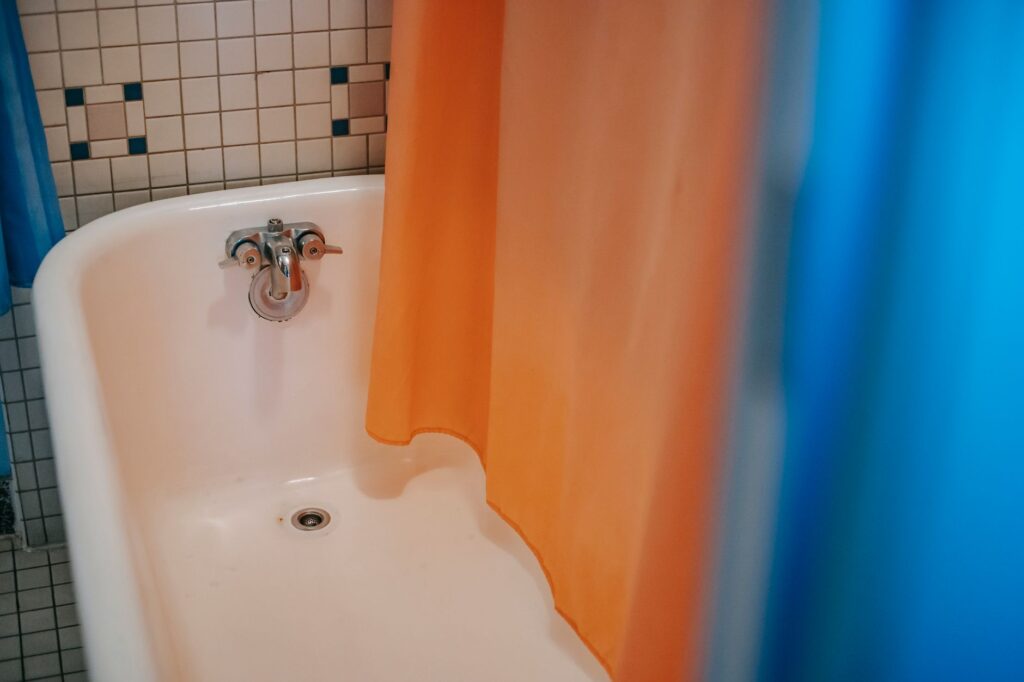
Moldy Shower Curtain Bathroom Guide Part 2
Introduction
Having a moldy shower curtain can be both unsightly and a hassle to clean. Mold thrives in damp environments, making bathrooms prime breeding grounds. In this guide, we’ll explore the causes of a moldy shower curtain, effective cleaning methods, and tips to prevent future growth. Let’s get started on restoring your bathroom’s freshness!
What Causes Bathroom Mold?
Mold on shower curtains primarily arises from three factors:
1. Humidity: Bathrooms are often humid due to steam from hot showers. This moisture creates an ideal environment for mold spores to flourish.
2. Poor Ventilation: Inadequate airflow allows moisture to linger, contributing to mold growth. Bathrooms without windows or vents are particularly susceptible.
3. Material of the Curtain: Some shower curtains are made from materials that retain moisture more than others, making them easier targets for mold.
Why This Problem Happens
Understanding why mold appears on your shower curtain can help you combat it effectively. Mold spores are everywhere, but they need the right conditions to grow:
- Moisture: When water collects on the curtain, it provides a breeding ground.
- Organic Material: Soap scum, body oils, and dirt can feed mold.
- Darkness: Mold prefers dark places, and a closed shower curtain can create an ideal environment.
- White vinegar or baking soda
- A scrub brush or sponge
- A washing machine (if the curtain is machine washable)
- A towel for drying
- Gloves (optional)
- Vinegar Method: Spray full-strength white vinegar directly on the affected areas. Let it sit for 30 minutes.
- Baking Soda Method: Mix baking soda with water to create a paste. Apply this paste to the moldy areas, allowing it to sit for 15-20 minutes.
- Machine Wash: If your curtain is machine washable, toss it in with towels. Use hot water and detergent. Add a cup of white vinegar to the rinse cycle to help eliminate odors and mold.
- Hand Wash: For non-machine washable curtains, scrub the moldy areas with a sponge soaked in vinegar or a mixture of water and mild detergent. Rinse thoroughly.
How to Fix Bathroom Mold (Step-by-Step)
Here’s how to tackle that moldy shower curtain:
Step 1: Gather Your Supplies
You’ll need:
Step 2: Remove the Curtain
Take down the shower curtain and liner. This is crucial for effective cleaning.
Step 3: Pre-Treat the Curtain
For stubborn mold spots:
Step 4: Wash the Curtain
Step 5: Dry the Curtain
After washing, hang the curtain to dry completely. Avoid folding it until it’s fully dry to prevent mold from returning.
Step 6: Replace if Necessary
If the mold persists after thorough cleaning, consider replacing the curtain.
Best Cleaning Methods
Vinegar
Vinegar is a natural disinfectant and mold killer. Use it as a spray or in the washing machine.
Baking Soda
Baking soda acts as a gentle abrasive and deodorizer. It’s perfect for scrubbing away mold without damaging the fabric.
Commercial Cleaners
For severe mold issues, consider using a commercial mold remover. Follow the manufacturer’s instructions carefully.
Common Mistakes to Avoid
1. Ignoring the Liner: Don’t forget to clean your shower liner, as it can harbor mold too.
2. Using Cold Water: Cold water won’t effectively kill mold. Always opt for warm or hot water when washing.
3. Neglecting Drying: Mold thrives in damp conditions. Always ensure your curtain is completely dry after cleaning.
4. Using Harsh Chemicals: Avoid bleach or other harsh chemicals that can damage your curtain and create harmful fumes.
Prevention Tips
1. Ventilation: Always use an exhaust fan or open a window during and after showers to reduce humidity.
2. Regular Cleaning: Make cleaning your shower curtain a regular part of your cleaning routine—aim for every 2-3 weeks.
3. Hang It Up: After each shower, make sure to spread out the curtain to allow it to dry properly.
4. Choose the Right Material: Opt for mold-resistant or quick-drying curtains if you frequently encounter mold issues.
5. Use a Squeegee: After showers, use a squeegee to remove excess water from the curtain.
Frequently Asked Questions
1. How often should I clean my shower curtain?
Clean your shower curtain every 2-3 weeks to prevent mold growth.
2. Can I wash my shower curtain in the washing machine?
Yes, if it’s machine washable. Always check the care label first.
3. What if my shower curtain has a strong mold smell?
Wash it with vinegar in the washing machine, and air it out in a well-ventilated area.
4. Is bleach effective for cleaning moldy shower curtains?
While bleach can kill mold, it can also damage the fabric and produce harmful fumes. It’s better to use vinegar or baking soda.
5. How can I prevent mold on my shower curtain?
Increase ventilation, regularly clean the curtain, and ensure it dries completely after each use.
6. When should I replace my shower curtain?
If mold persists after multiple cleanings or if the fabric is damaged, it’s time to replace it.
By following these guidelines, you can keep your shower curtain mold-free and maintain a clean, inviting bathroom space. Happy cleaning!