
Moldy Laundry Mould & Damp Guide Part 1
Introduction
Mouldy laundry is more than just an unsightly issue; it can lead to unpleasant odors and potential health concerns. Understanding the causes of mould and damp in your laundry can help you tackle the problem effectively. This guide provides practical steps to identify, clean, and prevent mould and damp in your laundry, ensuring your clothes remain fresh and safe to wear.
What Causes Mould & Damp?
Mould thrives in warm, humid environments, making laundry rooms prime targets for growth. The primary causes include:
- High Humidity: Excess moisture in the air can lead to condensation on surfaces.
- Poor Ventilation: Lack of airflow allows humidity to build up.
- Wet Clothes: Leaving damp clothes in the washing machine or laundry basket for too long can encourage mould growth.
- Leaky Pipes: Any leaks in your plumbing can create a damp environment.
- Temperature Fluctuations: Rapid temperature changes can cause condensation to form.
- Inspect Your Laundry Area: Check for leaks, damp spots, or poor ventilation.
- Examine Your Washing Machine: Ensure there are no blockages or leaks.
- White vinegar
- Baking soda
- A soft brush or sponge
- Spray bottle
- Microfiber cloths
- A bucket
- Vinegar: An effective natural disinfectant that kills mould spores.
- Baking Soda: Helps eliminate odours and absorb moisture.
- Hydrogen Peroxide: For stubborn mould stains, this can be mixed with water for a more potent solution.
- Commercial Mould Cleaners: If natural methods fail, consider using a commercial product specifically designed for mould removal.
- Ignoring Damp Clothes: Leaving wet clothes in the washing machine is a recipe for mould.
- Not Ventilating: Failing to open windows or use exhaust fans can trap moisture.
- Using Cold Water: While it saves energy, cold washes may not kill mould spores effectively.
- Overloading the Washer: This prevents proper rinsing and drying.
- Not Cleaning the Washer: Neglecting to clean the washing machine can lead to mould buildup inside it.
- Air Out Your Laundry Room: Open windows and doors to improve airflow.
- Use a Dehumidifier: This can help lower humidity levels, especially in damp climates.
- Dry Clothes Immediately: Don’t leave wet laundry lying around; dry it as soon as possible.
- Regularly Clean Your Washer: Run a cleaning cycle monthly, using vinegar or a commercial cleaner.
- Store Clothes Properly: Always ensure clothes are completely dry before storing them in closets or drawers.
Why This Problem Happens
When laundry is washed, it retains water. If not dried properly or left in a humid area, the moisture can lead to dampness, creating an environment where mould can flourish. This is exacerbated by poor ventilation and high humidity levels, which can lead to a cycle of dampness and mould growth.
How to Fix Mould & Damp (Step-by-Step)
Step 1: Identify the Source
Step 2: Gather Your Cleaning Supplies
You will need:
Step 3: Clean the Affected Area
1. Remove Clothes: Take all laundry out of the washer or laundry basket.
2. Vacuum or Brush: Remove any visible mould or mildew from walls, floors, or surfaces.
3. Mix a Cleaning Solution: Combine equal parts white vinegar and water in a spray bottle.
4. Spray the Area: Generously spray the affected surfaces and let it sit for 10-15 minutes.
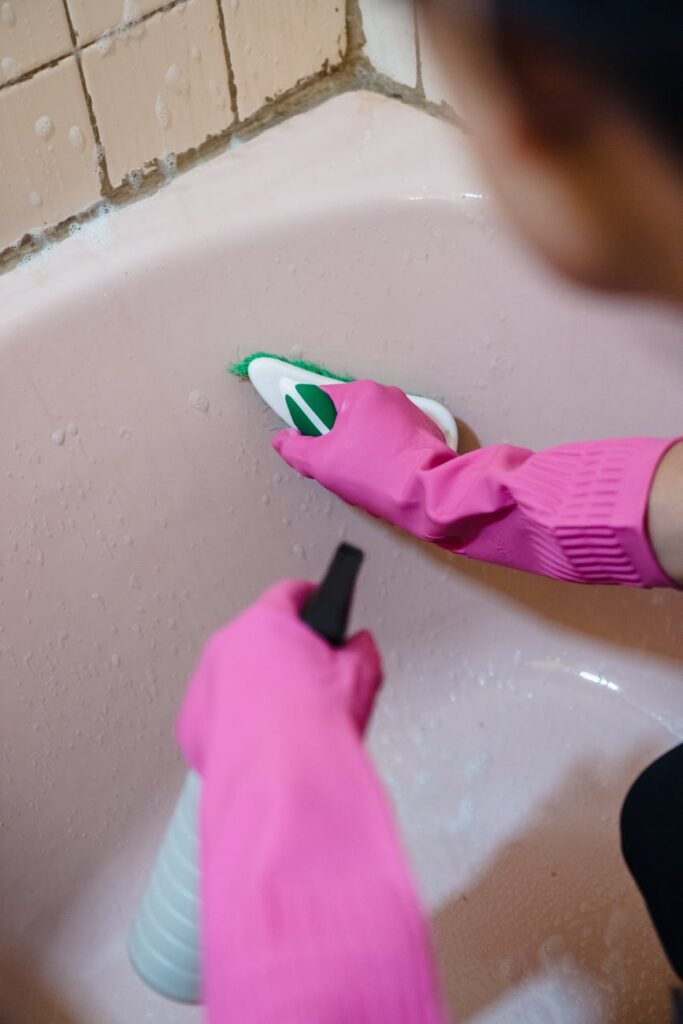
5. Scrub: Use a soft brush or sponge to scrub the area.
6. Rinse and Dry: Wipe down with a damp microfiber cloth and ensure everything is thoroughly dried.
Step 4: Wash Affected Clothes
1. Pre-Treat: For clothes with mould, pre-treat the affected areas with vinegar or a baking soda paste.
2. Wash: Use hot water (if fabric allows) and add a cup of vinegar to the rinse cycle.
3. Dry Properly: Dry clothes in a well-ventilated area or use a dryer. Ensure they are completely dry before putting them away.
Best Cleaning Methods
Common Mistakes to Avoid
Prevention Tips
Frequently Asked Questions
1. How can I tell if my laundry is mouldy?
Look for discolored spots, a musty smell, or visible patches of mould on clothes.
2. Can I use bleach to clean mouldy laundry?
While bleach can kill mould, it can also damage fabrics and not effectively remove the musty smell. Vinegar is a safer alternative.
3. Will washing clothes remove mould?
Washing can remove some mould, but pre-treatment and proper drying are essential for complete removal.
4. How often should I clean my washing machine?
Aim for a cleaning cycle once a month to prevent mould buildup.
5. What if my clothes still smell musty after washing?
Rewash with vinegar or add baking soda to the wash cycle to neutralize odors.
6. Is it safe to wear clothes with mould?
It’s best to avoid wearing mouldy clothes, as they can cause allergic reactions or skin irritation.
—
By following this guide, you’ll be well-equipped to handle mould and damp issues in your laundry. In the next part of this series, we will dive deeper into specific cleaning products and techniques to keep your laundry fresh and clean.