
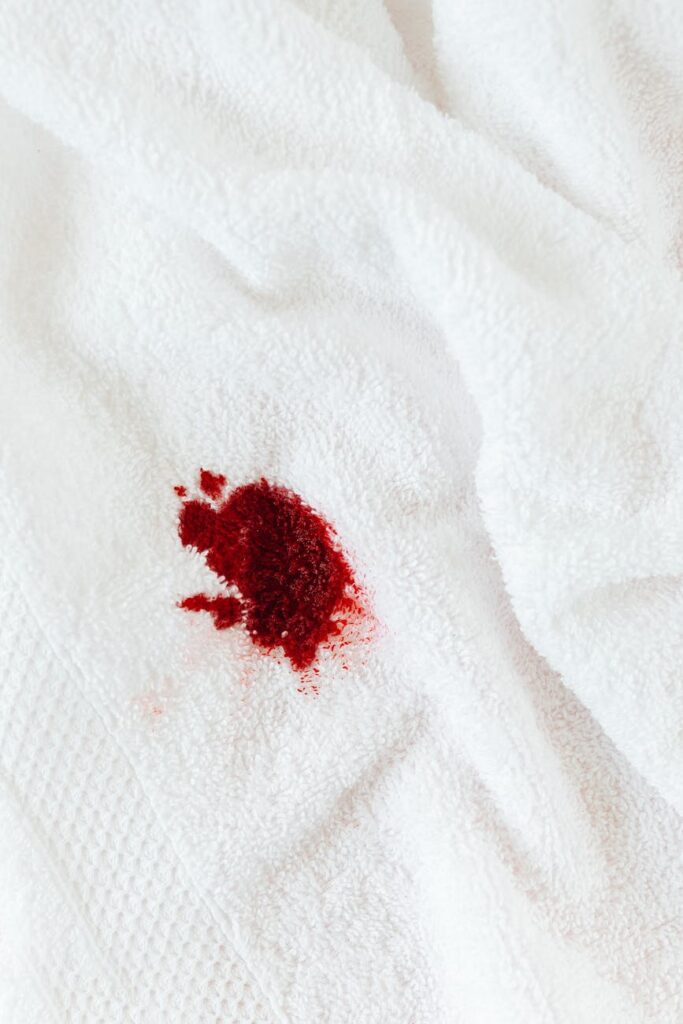
Moldy Laundry Kitchen Guide Part 1
Introduction
A clean kitchen is essential for a healthy home, but moldy laundry can compromise that cleanliness. If your kitchen towels, aprons, or even tablecloths are developing a musty odor or visible mold, it’s time to take action. This guide will help you understand the causes of moldy laundry in your kitchen, how to fix it, and tips for prevention.
What Causes Moldy Laundry in the Kitchen?
Mold thrives in damp, warm environments, making your kitchen a prime location for moldy laundry. Here are some common factors contributing to the problem:
1. High Humidity: Kitchens often have high humidity due to cooking and washing dishes.
2. Wet Laundry: Leaving damp items in the laundry basket or washing machine can promote mold growth.
3. Poor Ventilation: Lack of air circulation can trap moisture in your kitchen and laundry.
4. Dirty Laundry: Food residues and spills on towels or cloths can create a breeding ground for mold.
Why This Problem Happens
Understanding the reasons behind moldy laundry can help you prevent it in the future. Mold spores are everywhere, but they need moisture, warmth, and organic materials to grow. In a kitchen, spills and humidity can provide all three. If laundry is not dried promptly or is stored in a damp area, it becomes even more susceptible to mold growth.
How to Fix Moldy Laundry (Step-by-Step)
If you’ve discovered moldy laundry, follow these steps to remedy the situation:
Step 1: Identify Affected Items
Check your laundry basket, washing machine, and any kitchen linens. Look for visible mold spots or a musty smell.
Step 2: Remove Moldy Items
Carefully remove the affected items from your kitchen. If items are heavily stained, consider discarding them if they cannot be salvaged.
Step 3: Pre-Treat with Vinegar
For items like kitchen towels or aprons, soak them in a solution of equal parts white vinegar and water for about 30 minutes. This helps to kill mold spores and neutralize odors.
Step 4: Wash with Hot Water
Wash the items in your washing machine on the hottest water setting safe for the fabric. Use a heavy-duty detergent that contains enzymes, which can break down organic material.
Step 5: Add Baking Soda
To boost your cleaning power, add half a cup of baking soda during the wash cycle. This helps eliminate odors and stains.
Step 6: Dry Thoroughly
After washing, dry the items thoroughly. If possible, hang them outside in the sun. Sunlight has natural mold-killing properties. If using a dryer, ensure it’s set to a high heat setting.
Step 7: Inspect Before Storing
Before returning clean items to your kitchen, inspect them for any remaining mold or odors. If necessary, repeat the washing process.
Best Cleaning Methods
Different methods can help with moldy laundry issues:
- Vinegar Solution: As mentioned, vinegar is effective for both treating and preventing mold.
- Baking Soda: This natural deodorizer can be added to washing cycles for extra cleaning power.
- Essential Oils: Tea tree oil is a natural mold inhibitor. Add a few drops to your laundry for a pleasant scent and added protection.
- Oxygen Bleach: For white linens, oxygen bleach can help remove stains and disinfect.
- Dry Immediately: Always dry kitchen towels and linens promptly after use.
- Improve Ventilation: Use exhaust fans while cooking and consider a dehumidifier if your kitchen is particularly humid.
- Store Dry Items: Keep clean laundry stored in a dry, well-ventilated area away from moisture.
- Regular Washing: Wash kitchen linens regularly to prevent build-up of moisture and food particles.
Common Mistakes to Avoid
Avoid these pitfalls when dealing with moldy laundry:
1. Not Acting Quickly: The longer moldy laundry sits, the harder it will be to clean.
2. Using Cold Water: Cold water may not effectively kill mold spores. Always opt for hot water when possible.
3. Overloading the Washer: Overloading can prevent items from getting clean. Wash smaller loads for better results.
4. Ignoring Humidity: If your kitchen is consistently humid, take measures to reduce moisture rather than just cleaning laundry.
Prevention Tips
Preventing moldy laundry starts with good habits:
Frequently Asked Questions
1. How often should I wash my kitchen towels?
Wash kitchen towels at least once a week, or more often if they are heavily soiled.
2. Can I use bleach to remove mold from laundry?
While bleach can kill mold, it may not be suitable for all fabrics. Always check care labels and consider using vinegar or baking soda as safer alternatives.
3. What should I do if the mold persists after washing?
If mold remains, repeat the washing process using a stronger concentration of vinegar or consider professional cleaning services for tough stains.
4. Are there specific fabrics more prone to mold?
Cotton and other natural fibers tend to absorb moisture and can be more susceptible to mold compared to synthetic fabrics.
5. How can I tell if my laundry is truly dry?
Ensure there’s no lingering dampness by checking inside folds and seams. If items feel cool or damp, they need more drying time.
6. Is it safe to use essential oils on laundry?
Yes, most essential oils are safe for laundry. Just be cautious with the quantity, as too much can lead to buildup.
By following this guide, you can effectively manage moldy laundry issues in your kitchen, ensuring a clean and healthy environment for you and your family. Stay proactive, and your kitchen will remain a place of comfort and cleanliness.