
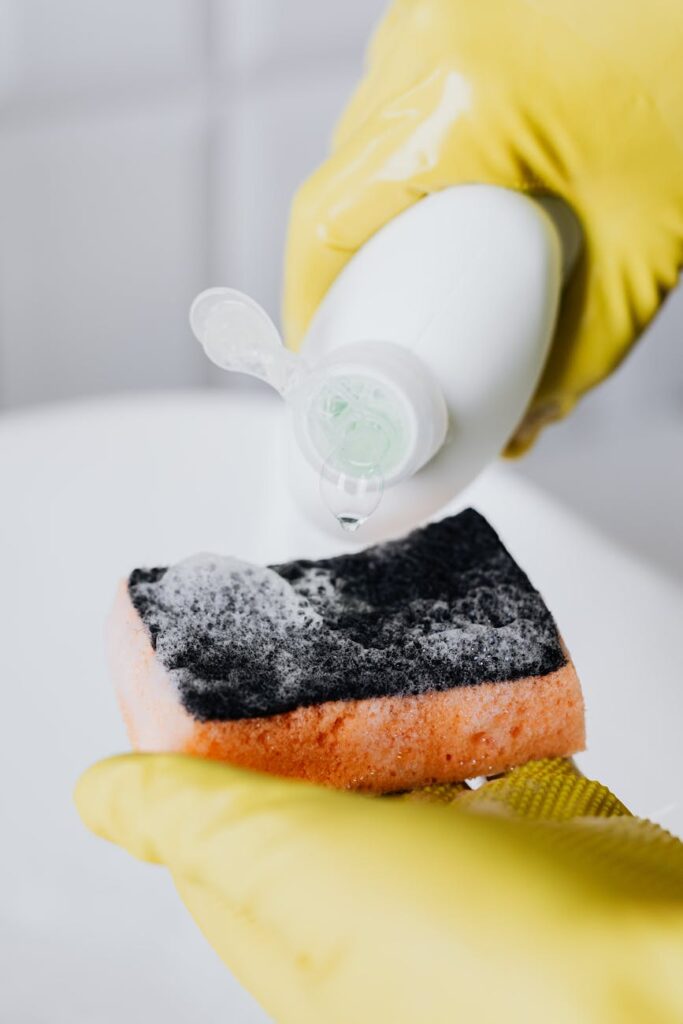
Moldy Dish Sponge Stains Guide Part 1
Introduction
A clean kitchen is essential for maintaining a healthy home, but a moldy dish sponge can be a hidden source of stains and odors. If you’ve ever noticed dark spots or unpleasant smells emanating from your sponge, you’re not alone. This guide will help you understand what causes those stains, why they occur, and how to effectively clean and prevent them.
What Causes Stains?
Stains on your dish sponge are primarily caused by a combination of moisture, food particles, and bacteria. Here are the main culprits:
1. Moisture: Sponges retain water, creating an ideal breeding ground for mold and mildew.
2. Food Residue: Bits of food can get trapped in the sponge, providing a nutrient source for bacteria.
3. Poor Drying: If your sponge doesn’t dry properly between uses, it becomes a perfect environment for mold growth.
4. Chemical Reactions: Certain cleaning products can cause discoloration or stains, especially if they interact with food residues.
Why This Problem Happens
The kitchen sponge is often one of the dirtiest items in your home. Here’s why:
- High Usage: Sponges are frequently used to clean up spills, wash dishes, and wipe down surfaces, making them susceptible to stains.
- Lack of Maintenance: Many homeowners neglect to clean their sponges regularly, allowing bacteria and mold to thrive.
- Inadequate Drying: Leaving a sponge in a damp environment, like the bottom of the sink, encourages mold growth.
- A bowl or bucket
- Hot water
- White vinegar or bleach
- Baking soda (optional)
- Rubber gloves (optional)
- Vinegar Method: Mix equal parts of white vinegar and water in a bowl.
- Bleach Method: If the sponge is heavily stained, mix one part bleach to ten parts water.
- Submerge the sponge in the cleaning solution for at least 5-10 minutes. This will help break down the stains and kill bacteria.
- After soaking, use your hands or a brush to scrub the sponge. Pay special attention to any stained areas.
- Rinse the sponge under hot water to remove any cleaning solution and loosened debris.
- Squeeze out excess water and place the sponge in a well-ventilated area to dry completely. Ensure it’s laid flat or hung up to avoid moisture buildup.
- Not Cleaning Regularly: Failing to clean your sponge at least once a week leads to a buildup of stains and bacteria.
- Using Cold Water: Cold water is less effective at killing bacteria. Always use hot water for cleaning.
- Ignoring Signs of Wear: If your sponge is falling apart or has a persistent odor, it’s time to replace it rather than attempting to clean it.
Understanding these factors is the first step in tackling the problem effectively.
How to Fix Stains (Step-by-Step)
Cleaning a moldy sponge may seem daunting, but it’s a straightforward process. Follow these steps to restore your sponge to its original condition:
Step 1: Gather Your Supplies
You’ll need:
Step 2: Prepare the Cleaning Solution
Step 3: Soak the Sponge
Step 4: Scrub the Sponge
Step 5: Rinse Thoroughly
Step 6: Dry Completely
Best Cleaning Methods
While the soaking technique is effective, there are several other methods you can use:
1. Microwave Method: Wet the sponge, place it in the microwave on high for 1-2 minutes. This kills bacteria, but be cautious of overheating.
2. Dishwasher Method: Place the sponge on the top rack of your dishwasher during a hot cycle. This sanitizes and cleans it effectively.
3. Baking Soda Scrub: For stubborn stains, sprinkle baking soda on the sponge and scrub it with a damp cloth or brush.
Common Mistakes to Avoid
Cleaning a moldy sponge is simple, but many people make common errors:
Prevention Tips
Preventing stains on your sponge is easier than cleaning them. Here are some practical tips:
1. Rinse After Each Use: Rinse your sponge thoroughly after each use to remove food particles and grime.
2. Use a Sponge Holder: Invest in a holder that allows your sponge to drain and dry properly.
3. Change Regularly: Replace your sponge every 2-4 weeks, or sooner if it shows signs of wear.
4. Disinfect Weekly: Use one of the cleaning methods mentioned above at least once a week to keep your sponge fresh.
5. Store in a Dry Place: Avoid leaving your sponge in a damp sink or container; instead, let it air dry.
Frequently Asked Questions
1. How often should I replace my dish sponge?
Replace your dish sponge every 2-4 weeks, or sooner if it shows signs of wear or odor.
2. Can I use my sponge after cleaning it?
Yes, but ensure it’s thoroughly rinsed and dried before using it again.
3. What’s the best way to store my sponge?
Store it in a well-ventilated area, preferably on a sponge holder that allows it to drain.
4. Are there specific types of sponges that resist mold better?
Non-scratch, antimicrobial sponges are designed to resist mold and bacteria better than traditional sponges.
5. Can I clean my sponge with dish soap?
While dish soap can help clean a sponge, it’s more effective to use vinegar or bleach solutions for sanitizing.
6. What should I do if my sponge smells bad even after cleaning?
If your sponge retains a bad odor after cleaning, it’s best to replace it, as persistent odors indicate deep-seated bacteria or mold.
By following these guidelines, you can keep your dish sponge free of stains and odors, ensuring it remains an effective tool in your kitchen cleaning arsenal. Stay tuned for Part 2, where we will explore advanced cleaning techniques and additional tips for maintaining a hygienic kitchen environment.