
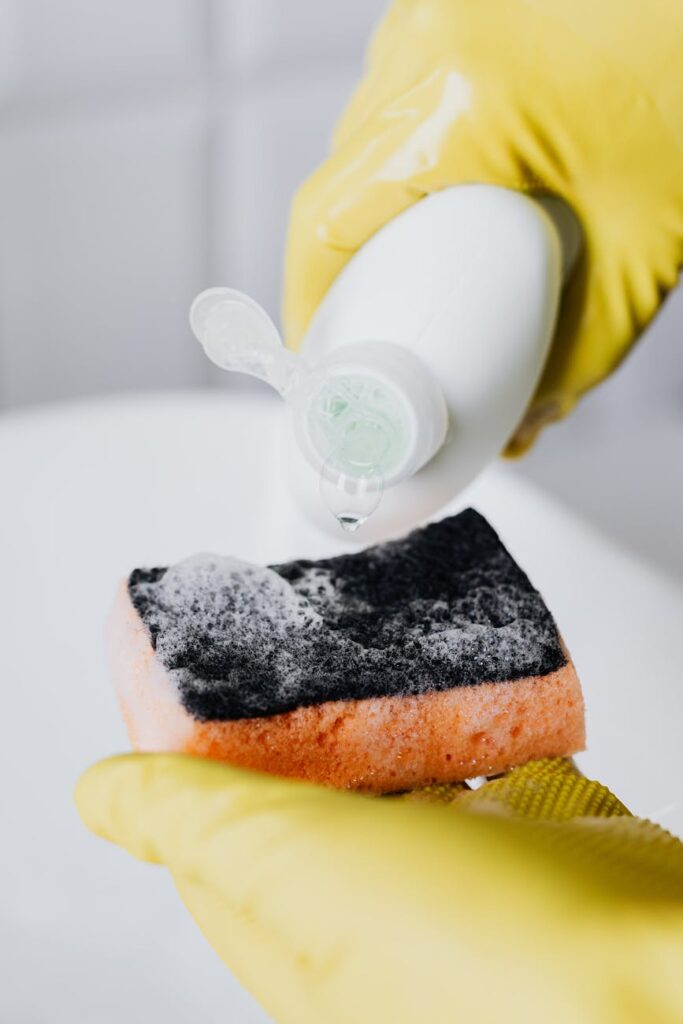
Moldy Dish Sponge Mould & Damp Guide Part 1
Introduction
A clean home is essential for your health and well-being, but one often overlooked area is the dish sponge. A moldy dish sponge can harbor harmful bacteria and unpleasant odors, making it a breeding ground for damp and mold. This guide will help you understand the causes of mold and damp, how to effectively clean your sponges, and how to prevent this issue from recurring.
What Causes Mould & Damp?
Mould and damp in dish sponges typically arise from a combination of moisture, food particles, and a warm environment. Sponges are designed to absorb liquids, making them perfect for trapping water and food remnants. When combined with air, these conditions create an ideal breeding ground for mold and mildew.
Key factors include:
- Moisture: Sponges retain water after use, providing a moist environment.
- Food Residue: Bits of food can remain trapped in the sponge, providing nutrients for mold.
- Warmth: Kitchens often have higher temperatures, especially near sinks and dish racks.
- Vinegar: Mix equal parts of white vinegar and water.
- Bleach: Mix one tablespoon of bleach in a quart of water.
- Microwave Method: Wet the sponge and place it in the microwave on high for 2 minutes. Ensure it’s damp to avoid fire hazards. Allow it to cool before handling.
- Dishwasher Method: Place your sponge on the top rack of your dishwasher during a hot cycle. This can effectively kill bacteria and mold.
- Vinegar Soak: As mentioned earlier, vinegar is a natural disinfectant. Soaking the sponge in vinegar can help eliminate odors and mold.
- Bleach Solution: Effective for deep cleaning, but use it sparingly. Always rinse thoroughly to remove bleach residues.
- Not Cleaning Regularly: Only cleaning your sponge when it looks dirty is a mistake. Aim to clean it weekly or more often if it’s in heavy use.
- Ignoring Drying: Storing sponges in closed containers can trap moisture. Always allow them to dry completely between uses.
- Using the Wrong Cleaning Solution: Avoid using harsh chemicals that can damage the sponge or leave harmful residues.
- Reusing Old Sponges: If a sponge has visible mold or a persistent odor, it’s best to replace it rather than trying to clean it.
- Squeeze Out Excess Water: After each use, squeeze out as much water as possible to reduce moisture.
- Use a Sponge Holder: Invest in a sponge holder that allows air circulation and keeps the sponge from sitting in water.
- Rotate Sponges: Keep more than one sponge on hand and rotate them. This allows for adequate drying time.
- Change Sponges Regularly: Replace your sponge every 2-4 weeks, depending on usage.
- Store in a Dry Area: Keep your sponges in a well-ventilated space rather than in a closed drawer or cabinet.
Why This Problem Happens
The sponge is a convenient tool for cleaning dishes, but its structure is also its downfall. The porous nature of sponges allows them to absorb liquids and trap particles. When sponges are not properly dried or cleaned, they can develop mold. The combination of stagnant water and organic material encourages mold growth, making sponges a prime target for damp and mildew.
How to Fix Mould & Damp (Step-by-Step)
If you discover that your dish sponge is moldy, follow these steps to properly clean it:
1. Identify the Issue: Check for visible mold or an unpleasant smell.
2. Dispose of Heavily Contaminated Sponges: If the sponge is severely moldy, it’s best to throw it away.
3. Rinse Thoroughly: If it’s only mildly contaminated, rinse the sponge under hot water to dislodge any food particles.
4. Soak the Sponge: Prepare a cleaning solution using either:
5. Soak for 5-10 Minutes: Submerge the sponge in the solution, ensuring it is fully covered.
6. Scrub with a Brush: After soaking, use a scrub brush or an old toothbrush to scrub away any remaining mold.
7. Rinse Again: Rinse the sponge thoroughly under hot water to remove any cleaning solution and debris.
8. Dry Completely: Squeeze out excess water and place the sponge in a well-ventilated area to dry.
Best Cleaning Methods
Different methods can effectively clean and disinfect your dish sponges. Here are the top options:
Common Mistakes to Avoid
Cleaning your sponges can be straightforward, but several common errors can lead to continued mold growth:
Prevention Tips
Preventing mold and damp in your dish sponge can save you time and hassle. Here are some effective strategies:
Frequently Asked Questions
1. How often should I replace my dish sponge?
It’s recommended to replace your dish sponge every 2-4 weeks, depending on how frequently you use it.
2. Can I use the same sponge for dishes and cleaning surfaces?
While it’s possible, it’s best to use separate sponges to prevent cross-contamination.
3. Are natural sponges better than synthetic ones?
Natural sponges can be more biodegradable, but they can also harbor bacteria if not cleaned properly. Both types require regular maintenance.
4. Is it okay to use vinegar on all types of sponges?
Yes, vinegar is safe for most types of sponges and can effectively kill mold and bacteria.
5. What’s the best way to dry a sponge after cleaning?
Squeeze out excess water and place the sponge in a ventilated area, away from direct sunlight.
6. Can I wash my sponge in the washing machine?
Yes, you can wash sponges in the washing machine on a hot cycle, but be sure to check the sponge’s material first.
Conclusion
A moldy dish sponge can be a nuisance, but with proper cleaning and preventative measures, you can keep your sponges fresh and safe to use. By understanding the causes of mold and damp, following effective cleaning methods, and implementing preventive strategies, you can ensure a healthier kitchen environment. Stay vigilant and prioritize sponge maintenance to make your cleaning routine easier and more effective.