
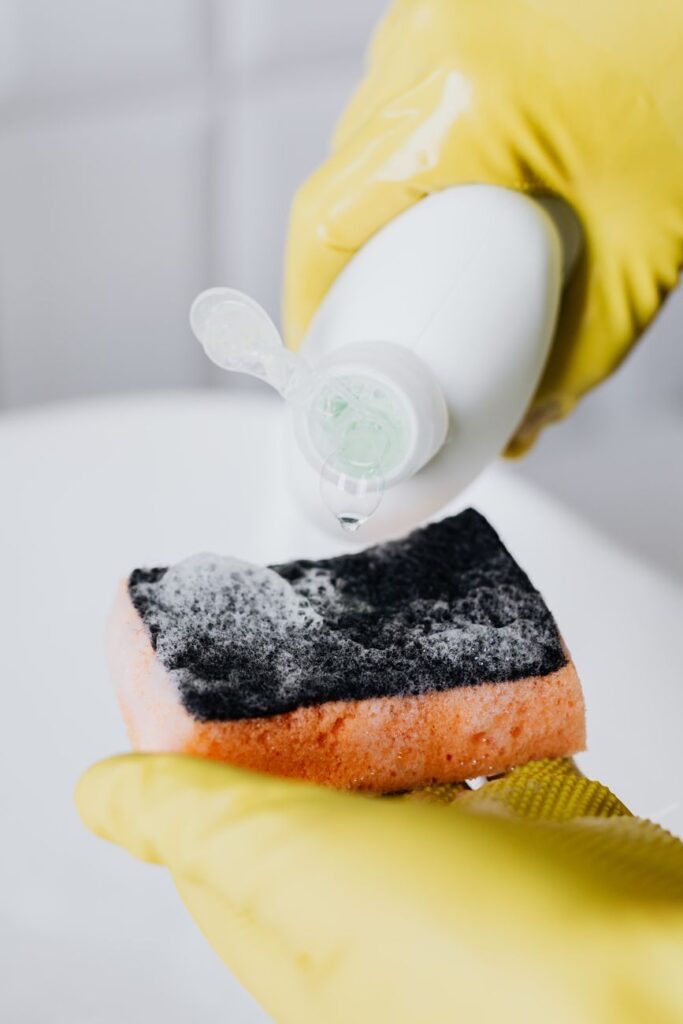
Moldy Dish Sponge Laundry Guide Part 2
Introduction
Moldy dish sponges are a common household dilemma that can quickly turn into a significant cleaning issue. Not only do they harbor bacteria, but they can also contribute to unpleasant odors and even mold growth in your home. This guide focuses on how to effectively clean and maintain your laundry routine to prevent moldy dish sponges from becoming a recurring problem.
What Causes Laundry?
When we refer to “laundry” in the context of moldy dish sponges, we are addressing the buildup of grime, bacteria, and mold that can accumulate in your sponge and the laundry it touches. Mold thrives in damp environments, making your sponge an ideal breeding ground.
Why This Problem Happens
Several factors contribute to the growth of mold in dish sponges:
1. Moisture: Sponges absorb water, and when left damp, they create an ideal environment for mold.
2. Food Particles: Leftover food residues can provide nutrients for mold and bacteria.
3. Poor Airflow: Storing sponges in closed spaces limits airflow, trapping moisture.
4. Infrequent Cleaning: Not regularly cleaning or replacing sponges allows mold to flourish.
Understanding these causes is the first step toward effective cleaning and prevention.
How to Fix Laundry (Step-by-Step)
Cleaning your moldy dish sponge and your laundry can be a straightforward process. Follow these steps to effectively tackle the problem:
Step 1: Gather Cleaning Supplies
- White vinegar
- Baking soda
- A microwave-safe bowl
- A washing machine (optional)
- A clean cloth
- Hot water
- Dishwasher Method: Place your sponge on the top rack of your dishwasher during a hot wash cycle for thorough cleaning.
- Bleach Solution: For a tough clean, mix 1 tablespoon of bleach in a gallon of water. Soak the sponge for 5 minutes, then rinse well. Note: Use this method sparingly, as bleach can degrade the sponge over time.
- Essential Oils: Add a few drops of tea tree oil to your cleaning solution. Tea tree oil is known for its antimicrobial properties, making it a great natural cleaner.
- Squeeze Out Water: After each use, squeeze out excess water to reduce moisture.
- Air Dry: Store sponges in a well-ventilated area to air dry completely.
- Rotate Sponges: Use multiple sponges and rotate them regularly to allow time for drying.
- Replace Regularly: Replace sponges every 2-4 weeks, depending on usage.
- Use a Sponge Holder: Invest in a sponge holder that allows for drainage and airflow.
Step 2: Inspect the Sponge
Before cleaning, inspect your sponge. If it is heavily soiled or falling apart, it may be time to replace it instead of cleaning it.
Step 3: Clean with Vinegar
1. Soak the Sponge: Fill a bowl with equal parts white vinegar and hot water.
2. Submerge the Sponge: Place the sponge in the solution and let it soak for about 15-20 minutes.
3. Rinse Thoroughly: Remove the sponge and rinse it under hot water to remove any remaining vinegar.
Step 4: Use Baking Soda
1. Make a Paste: Combine baking soda with a little water to create a paste.
2. Scrub the Sponge: Apply the paste to the sponge and scrub it with your hands to dislodge any remaining grime.
3. Rinse Again: Rinse the sponge thoroughly under hot water.
Step 5: Microwave for Sterilization
1. Wet the Sponge: Ensure the sponge is wet, as microwaving a dry sponge could cause a fire.
2. Microwave: Place the sponge in the microwave for about 2 minutes.
3. Let it Cool: Carefully remove the sponge (it will be hot!) and let it cool before using.
Step 6: Wash Your Laundry
If your sponge has come into contact with clothes or kitchen towels, wash them in hot water with detergent. Adding a cup of white vinegar to the rinse cycle can help eliminate odors and kill bacteria.
Best Cleaning Methods
While the methods mentioned above are effective, here are some alternative cleaning methods to consider:
Common Mistakes to Avoid
1. Neglecting Regular Cleaning: Don’t wait until your sponge is visibly moldy. Clean it regularly to prevent buildup.
2. Using a Dry Sponge for Microwaving: Always ensure your sponge is wet before microwaving it to avoid fire hazards.
3. Ignoring Other Kitchen Items: Don’t forget to clean dish towels, dish racks, and sinks, which can also harbor mold.
4. Storing Sponges in Closed Containers: Always store sponges in an open area to allow for airflow and drying.
Prevention Tips
To keep your dish sponges mold-free and prolong their life, consider the following prevention strategies:
Frequently Asked Questions
1. How often should I clean my dish sponge?
Clean your dish sponge at least once a week to prevent mold and bacteria buildup.
2. Can I just rinse my sponge with water?
Rinsing with water alone is not enough. Use vinegar or baking soda for deeper cleaning.
3. How do I know if my sponge is too moldy to clean?
If the sponge has a strong odor, is falling apart, or has visible mold, it’s best to replace it.
4. Can I use the microwave method on all types of sponges?
Most synthetic sponges can be microwaved, but avoid microwaving natural sponges or sponges with metal parts.
5. What should I do if my sponge keeps getting moldy?
If your sponge continues to mold despite cleaning, consider switching to a different material or reducing its moisture exposure.
6. Is it safe to clean my sponge with bleach?
While bleach can disinfect, it can also weaken the sponge material over time. Use it sparingly and ensure you rinse thoroughly afterward.
By following these guidelines and practices, you can effectively manage and prevent moldy dish sponges in your home, ensuring a cleaner, healthier kitchen environment.