
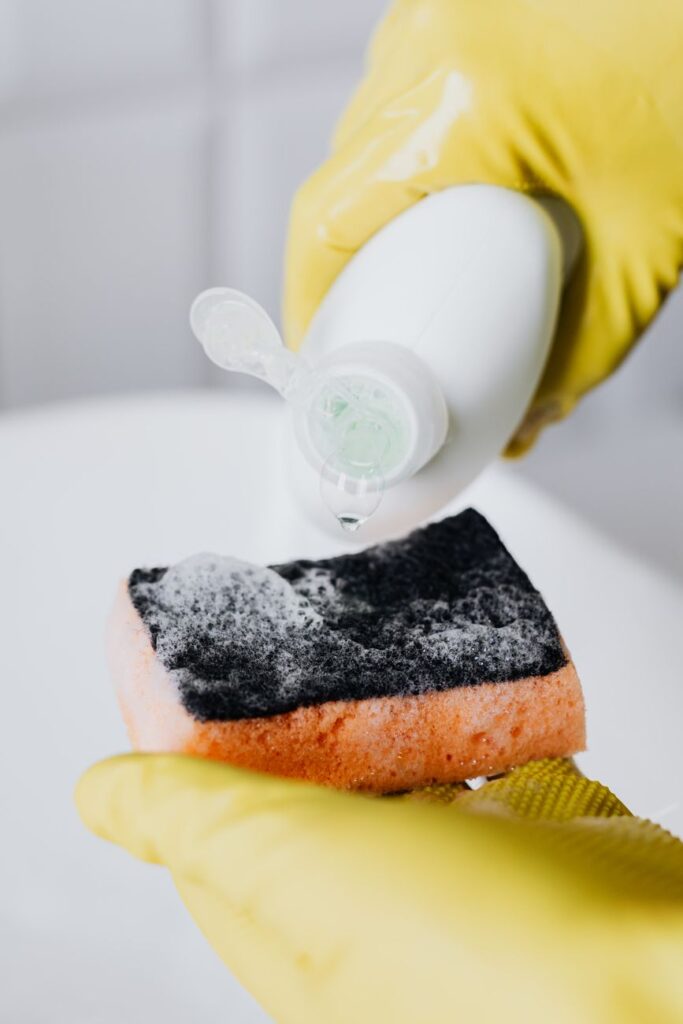
Moldy Dish Sponge Cleaning Guide Part 2
Introduction
Every homeowner has faced the unpleasant surprise of discovering a moldy dish sponge. These small kitchen tools, essential for cleaning, can quickly become a breeding ground for bacteria and mold if not maintained properly. In this guide, we’ll delve into the causes of a moldy dish sponge, how to effectively clean it, the best methods for prevention, and common mistakes to avoid.
What Causes Moldy Dish Sponges?
Moldy dish sponges often result from a combination of moisture, warmth, and food particles. Sponges are typically damp and kept in warm environments, making them an ideal habitat for mold and bacteria. Here are the key factors contributing to this issue:
1. Moisture: Sponges retain water, which can promote mold growth.
2. Food Residue: Bits of food left in the sponge provide nutrients for mold.
3. Warm Environment: Kitchens tend to be warm, especially near the sink or stove, creating a perfect breeding ground.
4. Infrequent Replacement: Over time, sponges wear out, making them more susceptible to mold.
Why This Problem Happens
Understanding why your sponge develops mold can help you tackle the issue effectively. Mold thrives in environments that meet its basic needs: moisture, warmth, and organic material. When you use a sponge for washing dishes, it absorbs leftover food particles and remains wet, especially if you don’t wring it out after use. This combination creates a perfect storm for mold growth.
How to Fix Cleaning (Step-by-Step)
If you discover a moldy dish sponge, it’s essential to act quickly. Here’s a straightforward step-by-step guide to cleaning or replacing your sponge:
Step 1: Assess the Sponge
- Examine the sponge: If it has a strong odor or visible mold, it’s best to replace it. However, if the mold is minor, you can clean it.
- Option A: Bleach Solution
- Option B: Vinegar Solution
- For Bleach: Soak the sponge in the bleach solution for about 5 minutes.
- For Vinegar: Submerge the sponge in the vinegar solution for 10 minutes.
- After soaking, rinse the sponge under hot running water to remove any cleaning solution and loosened mold.
- Squeeze out excess water and lay the sponge flat in a well-ventilated area to dry completely. Avoid putting it back in a damp area.
- Process: Wet the sponge and microwave it on high for 1-2 minutes. Ensure it is damp to avoid fire hazards.
- Effectiveness: This method kills most bacteria and mold.
- Process: Place the sponge in the dishwasher during a hot cycle.
- Effectiveness: The heat and detergent help sanitize the sponge.
- Process: Soak the sponge in a solution of hydrogen peroxide (3%) for about 5 minutes.
- Effectiveness: This method is effective against mold and mildew.
- Don’t wait until mold is visible; proactively check your sponge regularly.
- Sponges should be replaced every 2-4 weeks, depending on usage.
- Avoid storing sponges in closed spaces; they need airflow to dry completely.
- Designate sponges for specific tasks to minimize cross-contamination.
- Always rinse your sponge under hot water and squeeze out excess moisture after cleaning.
- Keep sponges in a well-ventilated area, away from dampness.
- Consider using a holder that allows the sponge to drain and air dry.
- Look for sponges designed to resist mold and bacteria.
- Use one of the cleaning methods discussed at least once a week to keep your sponge fresh.
Step 2: Prepare Cleaning Solution
Mix 1 cup of bleach with 1 gallon of water.
Use white vinegar undiluted or mix equal parts vinegar and water.
Step 3: Soak the Sponge
Step 4: Rinse Thoroughly
Step 5: Dry Completely
Best Cleaning Methods
While soaking in bleach or vinegar can be effective, there are additional methods to consider:
1. Microwave Method
2. Dishwasher Method
3. Hydrogen Peroxide
Common Mistakes to Avoid
When dealing with moldy sponges, avoid these common pitfalls:
1. Ignoring It
2. Not Replacing Regularly
3. Storing in a Closed Container
4. Using the Same Sponge for Everything
Prevention Tips
To keep your dish sponges mold-free, consider these preventive measures:
1. Rinse and Squeeze After Use
2. Store in a Dry Area
3. Use a Sponge Holder
4. Switch to Antimicrobial Sponges
5. Regularly Sanitize
Frequently Asked Questions
1. How often should I replace my dish sponge?
Replace your dish sponge every 2-4 weeks, depending on usage.
2. Can I use a moldy sponge?
Using a moldy sponge is not recommended as it can transfer bacteria to your dishes.
3. What’s the best way to store my sponge?
Store your sponge in a dry, well-ventilated area to prevent moisture buildup.
4. Can I wash my sponge in the washing machine?
Yes, you can wash your sponge in the washing machine, but ensure it is safe for machine washing.
5. Are there sponges that resist mold?
Yes, some sponges are designed with antimicrobial properties to resist mold and bacteria.
6. Is bleach the only effective cleaning solution?
No, vinegar, hydrogen peroxide, and heat (microwave or dishwasher) are also effective cleaning solutions.
By following these guidelines, you can keep your dish sponges clean and mold-free, ensuring a healthier kitchen environment. Remember, regular maintenance and proper storage are key to preventing future mold issues.