
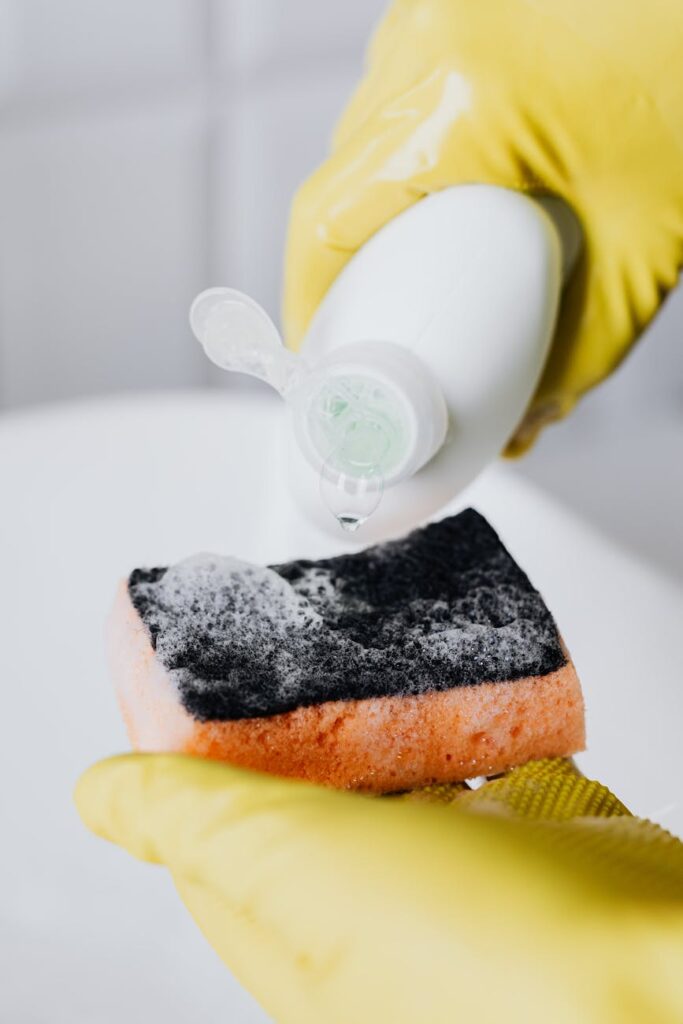
Moldy Dish Sponge Cleaning Guide Part 1
Introduction
A moldy dish sponge is more than just an unsightly kitchen item; it can harbor harmful bacteria and odors that can compromise the cleanliness of your dishes and kitchen. This guide will help you understand why sponges become moldy, how to effectively clean them, and most importantly, how to prevent this issue in the future.
What Causes Moldy Dish Sponges?
Mold thrives in damp, dark environments—making your dish sponge a perfect breeding ground. When you wash dishes, food particles and grease become trapped in the sponge’s fibers. This, combined with moisture from washing, creates an ideal environment for mold and bacteria to flourish.
Why This Problem Happens
Several factors contribute to the growth of mold in dish sponges:
1. Moisture: Sponges are often soaked in water, providing the humidity mold needs to grow.
2. Food Residue: Leftover food particles can provide nutrients for mold and bacteria.
3. Storage Conditions: Storing sponges in closed containers or areas without airflow traps moisture.
4. Lack of Cleaning: Many homeowners forget to regularly clean their sponges, allowing mold to accumulate over time.
Understanding these causes is the first step in tackling the problem effectively.
How to Fix Moldy Dish Sponges (Step-by-Step)
Step 1: Assess the Damage
Before attempting to clean your sponge, inspect it closely. If it has visible mold or an unpleasant odor, it’s probably time for a replacement. However, if it’s only slightly discolored, you can try cleaning it.
Step 2: Choose Your Cleaning Method
Select a cleaning method based on the materials you have on hand. Here are a few effective methods:
1. Boiling Water
2. Vinegar Solution
3. Bleach Solution
Step 3: Cleaning Process
Method 1: Boiling Water
1. Boil Water: Bring a pot of water to a rolling boil.
2. Submerge the Sponge: Carefully place the sponge into the boiling water for 5 minutes.
3. Cool and Rinse: Remove the sponge (use tongs!) and allow it to cool. Rinse thoroughly under running water.
Method 2: Vinegar Solution
1. Mix Solution: Combine equal parts white vinegar and water in a bowl.
2. Soak the Sponge: Immerse the sponge in the mixture for 5-10 minutes.
3. Rinse and Dry: Rinse the sponge well and allow it to air dry completely.
Method 3: Bleach Solution
1. Prepare Solution: Mix 1 tablespoon of bleach with 1 quart of water.
2. Soak the Sponge: Submerge the sponge in the solution for 5 minutes.
3. Rinse Thoroughly: Rinse the sponge under warm water and allow it to dry.
Step 4: Replace if Necessary
If your sponge still smells or shows signs of mold after cleaning, it’s best to discard it and purchase a new one.
Best Cleaning Methods
While you can use various methods to clean your sponge, the following are generally the most effective:
- Microwave: Wet your sponge and microwave it for 1-2 minutes. This method kills bacteria and mold.
- Dishwasher: Place your sponge on the top rack of your dishwasher during a hot cycle for effective cleaning.
- Hydrogen Peroxide: Soak in a solution of 1 part hydrogen peroxide to 3 parts water for about 10 minutes, then rinse.
Common Mistakes to Avoid
1. Neglecting to Clean Regularly: Don’t wait for the sponge to show visible mold. Clean it at least once a week.
2. Using a Damaged Sponge: If your sponge is torn or frayed, it’s less effective and should be replaced.
3. Storing Sponges in Closed Containers: This prevents airflow and retains moisture. Store sponges in a well-ventilated area.
4. Over-relying on Cleaning Methods: Remember that even the best cleaning methods can’t always save a heavily soiled sponge.
Prevention Tips
1. Rinse After Use: Always rinse your sponge thoroughly after washing dishes to remove food particles.
2. Dry Properly: Squeeze out excess water and allow your sponge to air dry completely.
3. Rotate Sponges: Use multiple sponges and rotate them weekly to give each sponge time to dry out.
4. Use a Sponge Holder: Consider using a holder that allows for drainage and airflow.
5. Sanitize Regularly: Incorporate regular sanitization into your cleaning routine.
Frequently Asked Questions
1. How often should I replace my dish sponge?
It’s recommended to replace your dish sponge every 2-4 weeks, depending on usage.
2. Can I use a moldy sponge after cleaning it?
If a sponge has visible mold or a strong odor, it’s best to replace it, even after cleaning.
3. What’s the best way to store my sponge?
Store your sponge in an open area where it can dry completely, avoiding closed containers.
4. Is it safe to clean sponges with bleach?
Yes, but always rinse thoroughly after using bleach to ensure no harmful residues remain.
5. Can I use the microwave method to clean all types of sponges?
Not all sponges are microwave-safe. Check the label on your sponge first.
6. What alternatives can I use instead of sponges?
Consider using dishcloths, scrub brushes, or biodegradable sponges as alternatives.
By following this guide, you can effectively manage and prevent moldy dish sponges in your home. Regular maintenance not only keeps your sponges clean but also contributes to a healthier kitchen environment.