
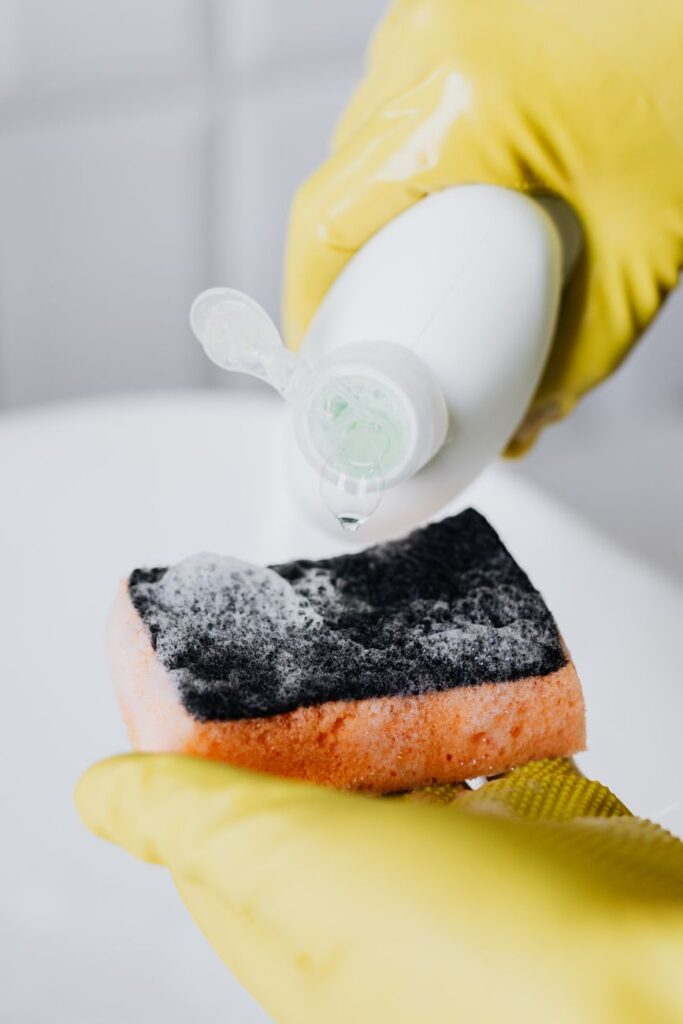
Moldy Dish Sponge Bathroom Guide Part 2
Introduction
A moldy dish sponge is more than just an unsightly nuisance; it can harbor harmful bacteria and contribute to unpleasant odors in your bathroom. In this guide, we’ll explore the causes of moldy dish sponges, how to effectively clean and maintain them, and best practices for prevention.
What Causes Bathroom Moldy Dish Sponges?
Mold thrives in warm, damp environments, making the bathroom an ideal breeding ground. When you use a dish sponge in the bathroom for cleaning, moisture from the sponge can become trapped, leading to mold growth. Factors that contribute to this problem include:
- Humidity: Bathrooms often have higher humidity levels, especially after showers or baths.
- Poor Air Circulation: Limited ventilation can trap moisture in the air, fostering mold growth.
- Improper Storage: Storing sponges in closed containers can keep them damp.
- Organic Material: Food particles or soap residue can provide a food source for mold.
- Instructions: Wet the sponge and place it in the microwave for two minutes. This method effectively kills most bacteria and mold spores. Ensure the sponge is damp to prevent it from catching fire.
- Instructions: Mix one part bleach with nine parts water. Soak the sponge for five minutes, then rinse thoroughly. Use this method sparingly, as bleach can degrade the sponge over time.
- Instructions: Place the sponge on the top rack of your dishwasher and run a hot cycle. The heat and detergent will help sanitize it effectively.
Why This Problem Happens
Understanding the underlying reasons for moldy dish sponges can help you tackle the problem effectively. Here are a few reasons why your sponge might become moldy in the bathroom:
1. Frequent Use: Using the same sponge repeatedly without proper cleaning allows mold to flourish.
2. Temperature Fluctuations: Warm, steamy environments encourage mold growth.
3. Inconsistent Cleaning: Neglecting to clean your sponge regularly can lead to mold development.
4. Lack of Drying: Not allowing sponges to dry completely between uses creates a perfect environment for mold.
How to Fix Bathroom Moldy Dish Sponges (Step-by-Step)
Step 1: Identify the Problem
Check your sponge for visible signs of mold, such as dark spots or an unpleasant odor. If you notice these signs, it’s time to address the issue.
Step 2: Remove the Sponge
Take the affected sponge out of the bathroom and dispose of it if it is heavily contaminated. If it’s still usable, proceed with cleaning.
Step 3: Clean the Sponge
1. Soak in Vinegar: Place the sponge in a bowl of white vinegar for at least 15 minutes. Vinegar is a natural disinfectant that kills mold spores.
2. Rinse Thoroughly: After soaking, rinse the sponge under hot water to remove any residual vinegar and loosen any remaining mold.
3. Use a Brush: If necessary, use a soft brush to scrub away stubborn mold spots.
Step 4: Dry the Sponge
Ensure the sponge is completely dry before placing it back in the bathroom. Squeeze out excess water and lay it flat to dry or use a drying rack.
Step 5: Store Properly
Store the sponge in a well-ventilated area. Avoid closed containers that can trap moisture and promote mold growth.
Best Cleaning Methods
1. Microwave Method
2. Bleach Solution
3. Dishwasher Cycle
Common Mistakes to Avoid
1. Ignoring the Problem: Don’t wait until mold is visible; address sponges before they become a breeding ground.
2. Overusing Sponges: Use separate sponges for different tasks (e.g., kitchen vs. bathroom) to minimize cross-contamination.
3. Not Drying Properly: Always allow sponges to dry completely to prevent mold growth.
4. Storing in Closed Containers: Avoid keeping sponges in drawers or closed containers where moisture can accumulate.
Prevention Tips
1. Regular Cleaning: Clean your sponge weekly using one of the methods outlined above.
2. Air Dry: Always allow sponges to dry out completely after use. Consider using a sponge holder that allows for air circulation.
3. Limit Use: Use sponges specifically for cleaning tasks that require them, and replace them regularly.
4. Humidity Control: Use a dehumidifier or exhaust fan in your bathroom to reduce humidity levels.
5. Keep It Dry: Consider using paper towels for quick cleanup tasks that don’t require a sponge.
Frequently Asked Questions
1. How often should I replace my dish sponge?
It’s advisable to replace your dish sponge every 2-4 weeks, depending on usage. If it starts to smell or show signs of mold, replace it immediately.
2. Can I use the same sponge for the kitchen and bathroom?
While it’s possible, it’s best practice to use separate sponges for the kitchen and bathroom to avoid cross-contamination.
3. What types of sponges are less likely to harbor mold?
Consider using antimicrobial sponges or natural sponges made from loofah or cellulose, as they tend to resist mold better than traditional synthetic sponges.
4. Is it safe to use bleach on sponges?
Bleach can sanitize sponges effectively, but it can also degrade the material over time. Use bleach sparingly and follow up with thorough rinsing.
5. Can I wash my sponge in the washing machine?
Yes, you can wash your sponge in the washing machine. Place it in a mesh laundry bag to prevent damage, and wash it with hot water.
6. How can I tell if my sponge is too dirty to clean?
If your sponge has a persistent odor, visible mold, or feels overly worn, it’s best to dispose of it and get a new one.
By understanding the causes and effective cleaning methods, you can maintain a mold-free sponge and improve the overall cleanliness of your bathroom. Regular maintenance and preventive measures are key to keeping mold at bay.