
Moldy Ceiling Tiles Laundry Guide Part 2
Introduction
Moldy ceiling tiles are not just an eyesore; they can also lead to serious cleaning challenges. If you’ve noticed mold on your ceiling tiles, it’s essential to address the issue promptly. This guide will help you understand what causes this problem, how to fix it effectively, and the best methods to prevent it from returning.
What Causes Laundry?
Laundry is a term used to describe the accumulation of mold and mildew on ceiling tiles, often caused by excessive moisture and poor ventilation. Common causes include:
- High Humidity: Areas with high humidity levels create a breeding ground for mold.
- Water Leaks: Roof leaks or plumbing issues can lead to moisture buildup.
- Poor Ventilation: Lack of airflow in areas like bathrooms and kitchens can trap moisture.
- Condensation: Temperature differences between indoor and outdoor environments can cause condensation on surfaces.
- Rubber gloves
- Safety goggles
- Face mask (N95 recommended)
- Bucket
- Mild detergent
- White vinegar or hydrogen peroxide
- Soft-bristle brush or sponge
- Spray bottle
- Ladder (if needed)
- Towels or rags
- Remove Furniture: Move any furniture or items away from the area to avoid damage.
- Cover the Floor: Lay down towels or plastic sheeting to catch drips.
- Ventilate: Open windows and doors to ensure good airflow. Turn on any exhaust fans if available.
- Mix Solution: In a bucket, mix a solution of mild detergent and water. Alternatively, you can use a 50/50 mix of white vinegar and water or hydrogen peroxide.
- Spray the Affected Area: Use a spray bottle to apply the solution directly onto the moldy tiles. Let it sit for 10-15 minutes.
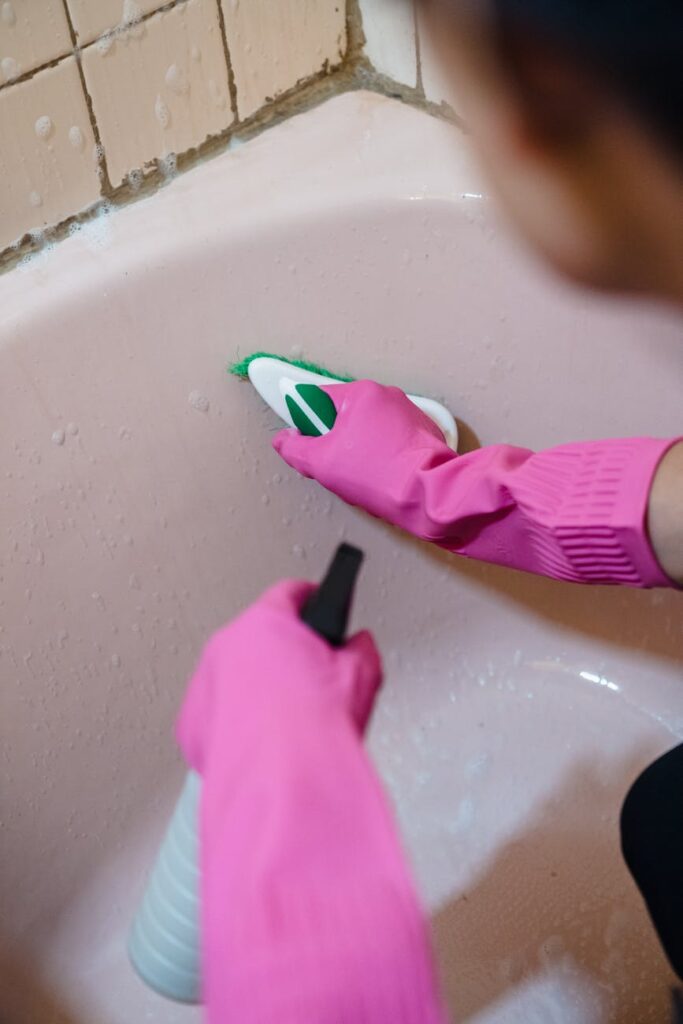
- Gently Scrub: Using a soft-bristle brush or sponge, scrub the moldy tiles gently. Be careful not to damage the tiles while cleaning.
- Rinse: Wipe the tiles with a damp cloth to remove any residue.
- Dry the Area: Use towels or rags to soak up any remaining moisture. Ensure the area is well-ventilated to promote quick drying.
- Check for Remaining Mold: After drying, inspect the tiles for any remaining mold. If necessary, repeat the cleaning process.
- Ignoring Ventilation: Poor airflow can exacerbate mold growth. Always ensure proper ventilation in moisture-prone areas.
- Using Bleach: While bleach can kill surface mold, it doesn’t address mold roots and can contribute to moisture issues.
- Not Wearing Protective Gear: Always wear gloves, goggles, and a mask to protect yourself from mold spores during cleaning.
- Skipping the Drying Process: Failing to dry the area thoroughly can lead to mold returning.
Understanding these causes is the first step in tackling the problem effectively.
Why This Problem Happens
Mold thrives in damp, dark environments. When ceiling tiles become wet from leaks or humidity, mold spores settle and grow. They can feed on organic materials found in some ceiling tiles, such as cellulose. Once established, mold can spread quickly, making it crucial to act fast.
Additionally, mold can pose aesthetic issues, such as unsightly stains and odors. If left untreated, mold growth can also lead to structural damage and may affect indoor air quality.
How to Fix Laundry (Step-by-Step)
Follow these steps to effectively remove mold from your ceiling tiles:
Step 1: Gather Your Supplies
Before you start, make sure you have the following items on hand:
Step 2: Prepare the Area
Step 3: Apply the Cleaning Solution
Step 4: Scrub the Tiles
Step 5: Dry Thoroughly
Step 6: Dispose of Cleaning Materials
Dispose of any contaminated materials, such as rags or gloves, in a sealed plastic bag to prevent mold spores from spreading.
Best Cleaning Methods
1. Vinegar Solution
Vinegar is a natural mold killer. Mix equal parts of white vinegar and water in a spray bottle. Spray onto the moldy area, let it sit, and scrub gently.
2. Hydrogen Peroxide
A 3% hydrogen peroxide solution is effective against mold. Spray it directly onto the affected tiles, allow it to sit for 10 minutes, and wipe clean.
3. Commercial Mold Removers
If home solutions aren’t effective, consider using a commercial mold remover. Follow the manufacturer’s instructions for the best results.
Common Mistakes to Avoid
Prevention Tips
1. Control Humidity: Use dehumidifiers in damp areas to keep humidity levels below 60%.
2. Fix Leaks Promptly: Address any leaks in roofs, plumbing, or walls immediately.
3. Ensure Good Ventilation: Install exhaust fans in bathrooms and kitchens. Open windows when possible.
4. Regular Cleaning: Regularly inspect and clean ceiling tiles, especially in high-humidity areas.
5. Use Mold-Resistant Products: Consider using mold-resistant ceiling tiles and paints in moisture-prone areas.
Frequently Asked Questions
1. Can I paint over moldy ceiling tiles?
No, painting over mold will only cover it up. It’s essential to clean the mold first and ensure the area is dry before painting.
2. How often should I check for mold?
Inspect high-humidity areas at least once a season, or more frequently if you notice moisture issues.
3. Is it safe to sleep in a room with moldy ceiling tiles?
It’s best to avoid sleeping in a room with visible mold until it has been properly cleaned and removed.
4. Can mold return after cleaning?
Yes, mold can return if the underlying moisture issue isn’t addressed. Ensure proper ventilation and fix any leaks to prevent recurrence.
5. What are the signs of mold growth?
Signs include visible spots or stains on tiles, a musty odor, and increased allergy symptoms for those sensitive to mold.
6. How can I safely dispose of contaminated materials?
Seal contaminated materials in a plastic bag and dispose of them according to local regulations for hazardous waste.
By following this guide, you can effectively tackle moldy ceiling tiles, ensuring your home remains clean and safe. Remember, prevention is just as crucial as cleaning; take proactive steps to protect your living spaces from future mold growth.