
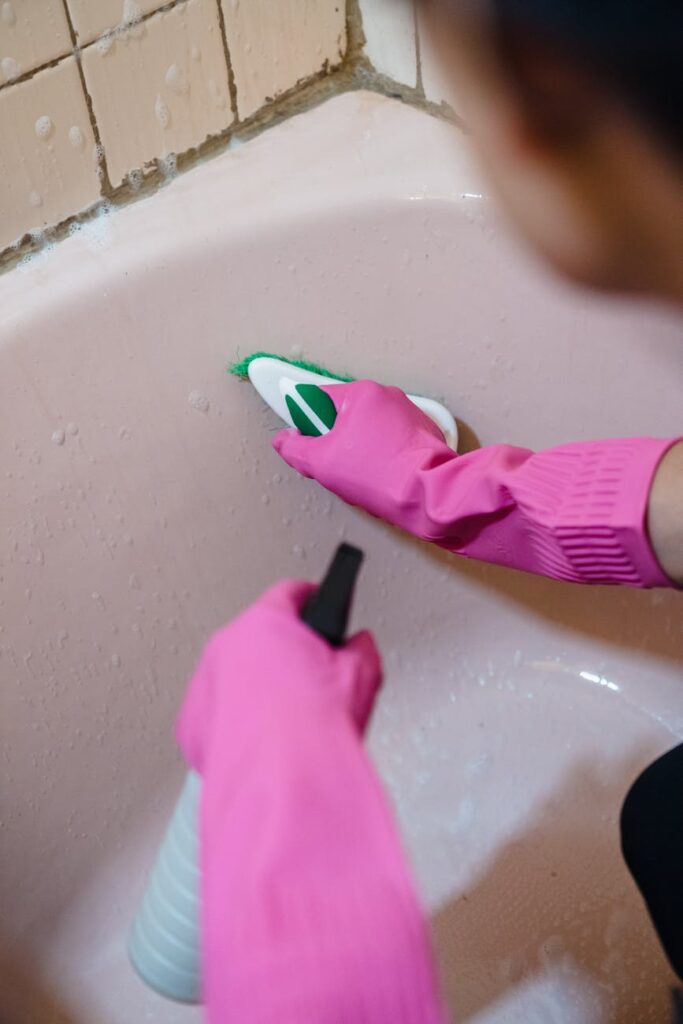
Moldy Ceiling Tiles Kitchen Guide Part 1
Introduction
Moldy ceiling tiles in your kitchen can be an eyesore and a potential health hazard. They not only detract from the aesthetics of your space but can also lead to unpleasant odors and allergic reactions. This guide will provide you with practical solutions to clean and maintain your kitchen ceiling tiles, ensuring a healthier environment.
What Causes Moldy Ceiling Tiles?
Mold thrives in damp, humid environments, making kitchens particularly susceptible. The most common causes of moldy ceiling tiles include:
1. High Humidity Levels: Cooking and cleaning can cause steam and moisture to accumulate.
2. Poor Ventilation: Inadequate airflow allows moisture to settle on surfaces.
3. Leaks: Water from roofs, plumbing, or appliances can seep into ceiling tiles, creating a breeding ground for mold.
4. Condensation: Temperature differences between surfaces can lead to condensation, particularly in winter months.
Understanding these factors is essential for effective cleaning and prevention.
Why This Problem Happens
Mold spores are present everywhere, both indoors and outdoors. They require moisture, warmth, and organic material to grow. In kitchens, the combination of heat and humidity creates an ideal environment for mold proliferation. If left untreated, mold can spread rapidly, affecting not just the ceiling tiles but also other areas of your home.
How to Fix Kitchen (Step-by-Step)
Step 1: Gather Your Supplies
Before you start, ensure you have the following supplies:
- Ladder or step stool
- Plastic sheeting or drop cloths
- Protective gear (gloves, mask, goggles)
- Spray bottle
- White vinegar or hydrogen peroxide
- Soft brush or sponge
- Bucket
- Mild detergent
- Rags or paper towels
Step 2: Prepare the Area
1. Clear the Space: Remove any items from the kitchen that may obstruct your cleaning process.
2. Protect Surfaces: Use plastic sheeting or drop cloths to cover countertops and appliances.
3. Ventilate: Open windows and turn on exhaust fans to improve airflow.
Step 3: Inspect the Ceiling Tiles
Check for visible signs of mold and any underlying issues such as leaks or water damage. If you identify a leak, address it before proceeding.
Step 4: Apply Cleaning Solution
1. Choose Your Cleaner: White vinegar is a natural mold killer, while hydrogen peroxide offers a stronger solution.
2. Spray Generously: Fill a spray bottle with your chosen solution and spray the affected areas thoroughly. Ensure the tiles are saturated but not dripping.
Step 5: Scrub the Tiles
Using a soft brush or sponge, gently scrub the tiles. Be cautious not to damage them. Work in small sections, rinsing your brush frequently.
Step 6: Rinse and Dry
1. Rinse: Wipe the tiles with a clean, damp cloth to remove any residue from the cleaning solution.
2. Dry: Ensure the area is well-ventilated to promote drying. Use fans if necessary.
Step 7: Inspect Again
After cleaning, inspect the tiles for any remaining mold. Repeat the cleaning process if necessary.
Best Cleaning Methods
1. Vinegar Solution: Mix equal parts of water and white vinegar in a spray bottle. This natural solution is effective for light mold.
2. Hydrogen Peroxide: Use a 3% hydrogen peroxide solution for tougher mold. Spray and let it sit for 10 minutes before scrubbing.
3. Baking Soda Paste: Mix baking soda with water to create a paste. Apply it to the moldy area, let it sit, and scrub off.
Common Mistakes to Avoid
1. Not Wearing Protective Gear: Always wear gloves, a mask, and goggles to protect yourself from mold spores.
2. Using Harsh Chemicals: Avoid bleach, as it can discolor tiles and may not eliminate mold roots.
3. Ignoring Underlying Issues: Failing to address leaks or humidity issues will lead to recurring mold problems.
4. Not Ventilating Properly: Ensure proper ventilation during and after cleaning to prevent moisture buildup.
Prevention Tips
1. Increase Ventilation: Install exhaust fans and open windows when cooking to reduce humidity levels.
2. Control Humidity: Use a dehumidifier to maintain indoor humidity below 50%.
3. Regular Cleaning: Schedule routine checks and cleanings of your ceiling tiles to catch mold early.
4. Seal Leaks Promptly: Regularly inspect for and repair any leaks in plumbing or roofing.
5. Use Mold-Resistant Products: When renovating, consider using mold-resistant ceiling tiles and paints.
Frequently Asked Questions
1. How often should I check my kitchen ceiling tiles for mold?
Inspect your ceiling tiles at least once every few months, especially after heavy cooking or cleaning sessions.
2. Can I use bleach to clean moldy ceiling tiles?
Bleach is not recommended as it can discolor tiles and may not penetrate the mold effectively. Opt for vinegar or hydrogen peroxide instead.
3. What should I do if the mold returns after cleaning?
If mold reappears, it could indicate an underlying moisture issue. Check for leaks and improve ventilation in the kitchen.
4. Are moldy ceiling tiles dangerous?
Yes, mold can release spores that may lead to allergic reactions or respiratory issues, especially for sensitive individuals.
5. How can I tell if my ceiling tiles are damaged from mold?
Look for discoloration, warping, or a musty odor. If tiles are severely damaged, consider replacing them.
6. Can I prevent mold without cleaning?
While cleaning is essential, prevention measures like improved ventilation and humidity control are crucial to reduce mold growth.
By following this guide, you can tackle moldy ceiling tiles effectively and ensure a cleaner, safer kitchen environment. Consistent maintenance and preventive measures will help keep mold at bay and maintain the integrity of your home.