
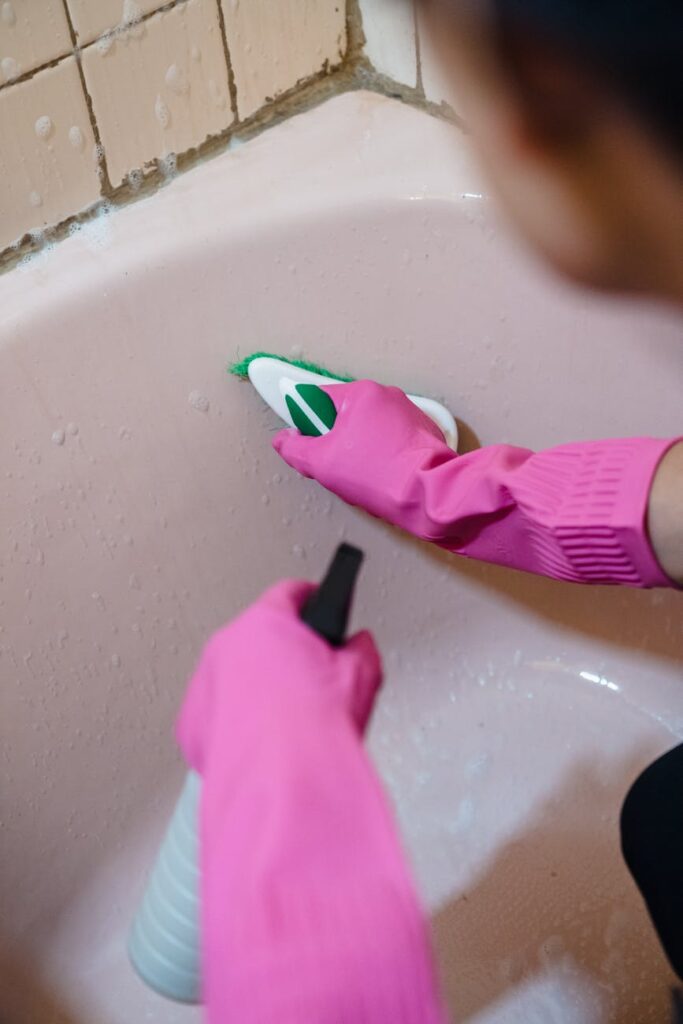
Moldy Ceiling Tiles Bathroom Guide Part 2
Introduction
Moldy ceiling tiles in the bathroom are not just unsightly; they can also indicate underlying moisture issues. In this guide, we’ll explore the causes of mold growth on ceiling tiles, how to effectively clean them, and how to prevent the problem from recurring. Let’s dive right in!
What Causes Bathroom Mold?
Mold thrives in damp environments, making bathrooms a prime location for growth. Here are the primary causes:
- High Humidity: Bathrooms are often filled with moisture from showers and baths.
- Poor Ventilation: Without adequate airflow, humidity can linger.
- Water Leaks: Plumbing issues can lead to damp spots where mold can flourish.
- Inadequate Insulation: Cold surfaces can lead to condensation, promoting mold growth.
- Condensation: When warm, moist air hits a cooler surface, it condenses and creates the perfect breeding ground for mold.
- Lack of Maintenance: Regular cleaning and inspection can prevent mold from taking hold.
- Age of Tiles: Older tiles may be more porous and absorb moisture, making them more susceptible to mold.
- Rubber gloves
- Face mask
- Safety goggles
- Ladder or step stool
- Bucket
- Sponge or scrub brush
- Mild detergent
- White vinegar
- Baking soda
- Spray bottle
- Soft cloth or towel
- Vinegar Solution: Combine equal parts white vinegar and water in a spray bottle.
- Baking Soda Paste: Mix baking soda with water to create a paste for tougher spots.
- Vinegar Spray: A natural disinfectant that inhibits mold growth.
- Hydrogen Peroxide: A powerful mold killer; use a 3% solution directly on the mold.
- Bleach: While effective, it can damage tiles and is less environmentally friendly. Use sparingly.
- Baking Soda: Acts as a gentle abrasive and deodorizer.
- Ignoring the Source: Cleaning mold without addressing the root cause won’t solve the problem.
- Using Too Much Water: Excess moisture during cleaning can worsen the issue.
- Neglecting Safety: Always wear protective gear to avoid inhaling mold spores.
- Inconsistency: Regular maintenance is key. Don’t wait until mold becomes visible.
- Improve Ventilation: Use an exhaust fan or open windows while showering.
- Regular Cleaning: Clean your bathroom weekly to prevent mold buildup.
- Control Humidity: Use a dehumidifier if your bathroom tends to stay damp.
- Fix Leaks Promptly: Address any plumbing issues immediately to avoid moisture accumulation.
- Insulate Properly: Ensure your bathroom is insulated to reduce condensation.
Why This Problem Happens
Understanding why mold grows on ceiling tiles can help you address the issue more effectively. Here are some factors that contribute to mold growth:
How to Fix Bathroom Moldy Ceiling Tiles (Step-by-Step)
Follow this step-by-step guide to clean and restore your moldy ceiling tiles:
Step 1: Gather Your Supplies
You will need:
Step 2: Prepare the Area
1. Turn Off Power: Ensure any ceiling lights are turned off to avoid hazards.
2. Clear the Area: Remove items that may obstruct your cleaning, like towels and toiletries.
Step 3: Mix Your Cleaning Solution
Step 4: Apply Cleaning Solution
1. Spray the vinegar solution generously on the affected tiles.
2. For stubborn spots, apply the baking soda paste directly onto the moldy area.
3. Let the solutions sit for 10-15 minutes to penetrate the mold.
Step 5: Scrub the Tiles
Using a sponge or scrub brush, gently scrub the moldy areas. Be cautious not to damage the tiles. Rinse your sponge frequently.
Step 6: Rinse and Dry
1. Wipe the tiles with a clean, damp sponge to remove any residue.
2. Dry the tiles thoroughly with a soft cloth or towel to prevent further moisture buildup.
Step 7: Dispose of Waste
Seal any moldy cleaning materials in a plastic bag and dispose of them properly.
Best Cleaning Methods
Here are some effective methods to tackle mold on bathroom ceiling tiles:
Common Mistakes to Avoid
Avoid these pitfalls when dealing with moldy ceiling tiles:
Prevention Tips
To prevent mold from returning to your bathroom ceiling tiles, consider these strategies:
Frequently Asked Questions
1. How often should I clean my bathroom ceiling tiles?
Aim to clean them at least once a month to prevent mold buildup.
2. Can I use bleach to remove mold?
Yes, but use it cautiously. It can damage tiles and is not as environmentally friendly as other options.
3. What should I do if the mold returns?
Reassess your ventilation and humidity levels. You may need to consult a professional for persistent issues.
4. Are there specific types of ceiling tiles that resist mold?
Yes, tiles made from materials like vinyl or fiberglass tend to be more resistant to mold.
5. Can mold on ceiling tiles affect my health?
While this guide does not cover health aspects, mold can trigger allergies and respiratory issues in sensitive individuals.
6. Is it safe to paint over moldy ceiling tiles?
No, painting over mold can trap moisture and lead to further growth. Always clean and address the issue before painting.
Conclusion
Dealing with moldy ceiling tiles in your bathroom can be a hassle, but with the right cleaning techniques and preventative measures, you can keep your bathroom mold-free. Remember to maintain proper ventilation, check for leaks, and clean regularly to enjoy a fresh and healthy space. Happy cleaning!