
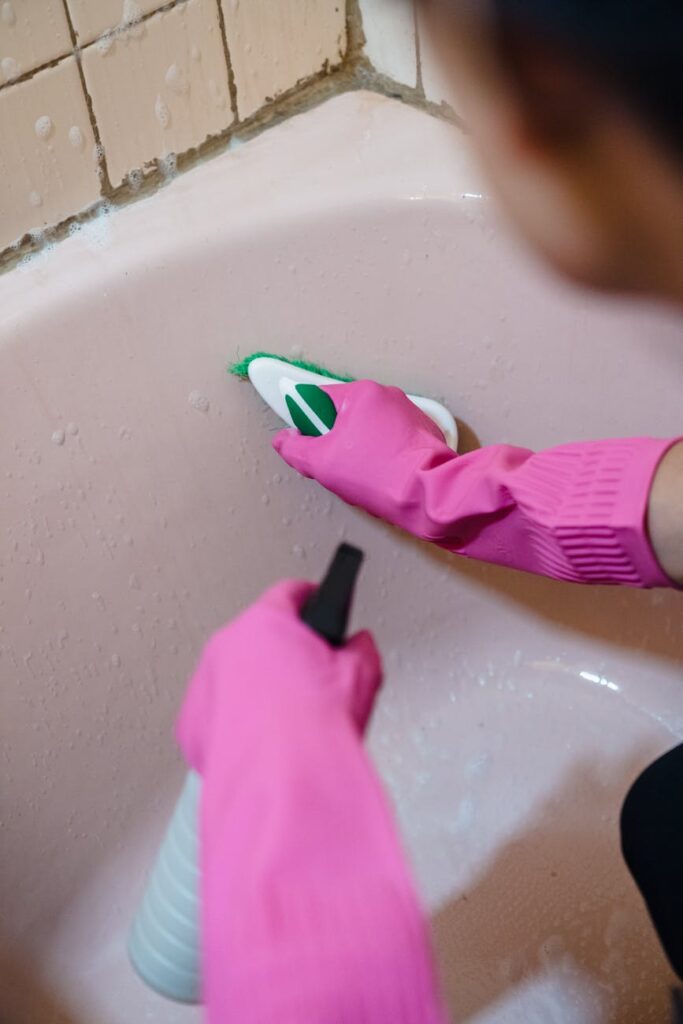
Moldy Ceiling Tiles Bathroom Guide Part 1
Introduction
Moldy ceiling tiles can turn your serene bathroom into an unsightly mess. Not only do they look unpleasant, but they can also lead to health issues if left untreated. This guide aims to help you understand the causes of moldy ceiling tiles, how to effectively clean and maintain them, and tips to prevent future growth.
What Causes Bathroom Mold?
Mold thrives in damp, warm environments, making bathrooms an ideal breeding ground. The primary causes of mold on ceiling tiles include:
- High Humidity: Showers and baths release moisture into the air.
- Poor Ventilation: Lack of airflow traps humidity, creating a perfect environment for mold.
- Leaks: Water leaks from plumbing or the roof can lead to dampness.
- Condensation: Warm air hitting cold surfaces can cause moisture to accumulate.
- Protective gloves and goggles
- A mask to avoid inhaling spores
- A bucket
- Mild detergent or a specialized mold cleaner
- A scrub brush or sponge
- A ladder (if necessary)
- A spray bottle
- White vinegar or a mixture of water and bleach (1 cup bleach to 1 gallon of water)
- Detergent Solution: Mix mild detergent with warm water.
- Vinegar: Pour white vinegar into a spray bottle and apply it directly to the mold.
- Bleach Solution: Mix bleach with water in a bucket.
- Vinegar: This natural cleaner kills most mold species. Its acidity breaks down mold and prevents regrowth.
- Bleach: While effective, bleach can discolor tiles and should be used with caution. It’s best for non-porous surfaces.
- Baking Soda: Mix with water to create a paste for scrubbing. It’s a gentle option that also deodorizes.
- Commercial Mold Cleaners: Many products are available specifically for mold removal. Always follow label instructions.
- Ignoring Safety Gear: Always wear gloves, goggles, and masks to protect yourself from spores.
- Using Too Much Water: Excess moisture can worsen the mold problem. Use minimal water when cleaning.
- Not Addressing the Source: Cleaning the mold without fixing leaks or improving ventilation won’t prevent recurrence.
- Skipping Rinsing: Failing to rinse off cleaning solutions may leave residues that attract more mold.
- Improve Ventilation: Install an exhaust fan or open windows while showering to reduce humidity.
- Use a Dehumidifier: This can help control moisture levels in the bathroom.
- Fix Leaks Promptly: Address any plumbing or roof leaks immediately to prevent water accumulation.
- Regular Cleaning: Incorporate mold prevention into your cleaning routine by wiping down surfaces regularly.
- Seal Grout and Tiles: Use a mold-resistant sealant on tiles and grout to create a barrier against moisture.
Why This Problem Happens
Understanding why mold develops on ceiling tiles can help you address the issue effectively. Here are the main factors contributing to bathroom mold:
1. Inadequate Ventilation: Bathrooms often lack windows or proper exhaust fans, causing humidity to build up.
2. Water Damage: A leaking pipe or roof can introduce water, leading to mold growth.
3. Temperature Fluctuations: Changes in temperature can cause condensation, adding moisture to the air.
4. Poor Maintenance: Neglecting to clean mold or moisture can allow it to spread.
How to Fix Bathroom Moldy Ceiling Tiles (Step-by-Step)
Removing mold from ceiling tiles is crucial for maintaining a healthy environment. Follow these steps for effective cleaning:
Step 1: Gather Your Supplies
You will need:
Step 2: Safety First
Before starting, ensure you have proper ventilation. Open windows, and use fans if possible. Wear your protective gear to prevent exposure to mold spores.
Step 3: Prepare the Cleaning Solution
You can choose to use:
Step 4: Apply the Solution
Using a spray bottle or sponge, apply your chosen solution liberally to the affected areas. Let it sit for about 10–15 minutes to penetrate the mold.
Step 5: Scrub the Area
Using a scrub brush or sponge, scrub the tiles to remove the mold. For stubborn spots, you may need to apply more cleaning solution and scrub again.
Step 6: Rinse and Dry
After scrubbing, rinse the tiles with clean water to remove any residue. Use a towel to dry the area thoroughly, as leaving it damp can lead to future mold growth.
Step 7: Dispose of Contaminated Materials
Dispose of any sponges, brushes, or rags that were used in the cleaning process to prevent spreading mold spores elsewhere.
Best Cleaning Methods
Here are some effective cleaning methods for moldy ceiling tiles:
Common Mistakes to Avoid
Avoid these pitfalls when cleaning moldy ceiling tiles:
Prevention Tips
Preventing mold from returning is essential for maintaining a clean bathroom. Implement these strategies:
Frequently Asked Questions
1. How often should I clean my bathroom ceiling tiles?
It’s recommended to clean ceiling tiles at least once a month to prevent mold buildup, especially in high-humidity areas.
2. Can I use vinegar and bleach together?
No, mixing vinegar and bleach creates toxic fumes. Use one or the other for cleaning.
3. Is mold on ceiling tiles dangerous?
While not all mold is harmful, some types can cause health issues. It’s best to remove mold promptly.
4. What if the mold keeps coming back?
If mold returns frequently, you may have an underlying issue, such as poor ventilation or a leak, that needs to be addressed.
5. Can I paint over moldy ceiling tiles?
No, painting over mold can trap moisture and lead to more mold growth. Always clean and remove mold before painting.
6. How can I tell if my ceiling tiles are damaged?
Look for discoloration, warping, or peeling. If tiles feel damp or crumbly, they may need to be replaced.
By following this guide, you can effectively tackle moldy ceiling tiles in your bathroom, ensuring a clean and healthy environment for you and your family. Stay tuned for Part 2, where we’ll delve deeper into advanced cleaning solutions and maintenance tips.