
Moldy Ceiling Corners Stains Guide Part 2
Introduction
Moldy ceiling corners are not just unsightly; they can indicate underlying moisture issues in your home. In this guide, we will dive into the causes of these stains, how to effectively remove them, and tips for preventing future occurrences. Whether you’re dealing with a small patch or a larger infestation, this article will equip you with the knowledge to tackle moldy stains effectively.
What Causes Stains?
Moldy stains typically arise from excess moisture in the air or water leaks. Here are the primary causes:
1. Humidity: High indoor humidity levels can lead to condensation in corners, especially in bathrooms and kitchens.
2. Water Leaks: Roof leaks, plumbing issues, or poorly sealed windows can introduce moisture.
3. Poor Ventilation: Inadequate airflow can trap moisture in corners, creating a perfect environment for mold growth.
4. Temperature Fluctuations: Rapid temperature changes can cause condensation, especially in poorly insulated areas.
Understanding these causes is essential for addressing the root of the problem and preventing future stains.
Why This Problem Happens
Mold and mildew thrive in damp, dark environments. Areas like ceiling corners often receive minimal airflow, making them ideal breeding grounds. Factors contributing to this issue include:
- Lack of Sunlight: Ceiling corners are often out of direct sunlight, which can inhibit mold growth.
- Insulation Issues: Poorly insulated attics or roofs can lead to condensation forming in ceiling corners.
- Neglected Maintenance: Regular checks and maintenance can prevent moisture buildup.
- Ladder or step stool
- Soft brush or sponge
- Bucket
- Cleaning solution (see Best Cleaning Methods section)
- Protective gear (gloves, mask, goggles)
- Old towels or rags
- Paint (if necessary)
Identifying why these stains occur will help you choose the best solutions for removal and prevention.
How to Fix Stains (Step-by-Step)
Removing moldy stains from ceiling corners requires a systematic approach. Here’s how to do it:
Step 1: Gather Your Supplies
You will need:
Step 2: Prepare the Area
1. Clear the Space: Move any furniture or decor away from the affected area.
2. Turn Off Power: If the mold is near light fixtures, turn off the electricity to avoid accidents.
Step 3: Clean the Stains
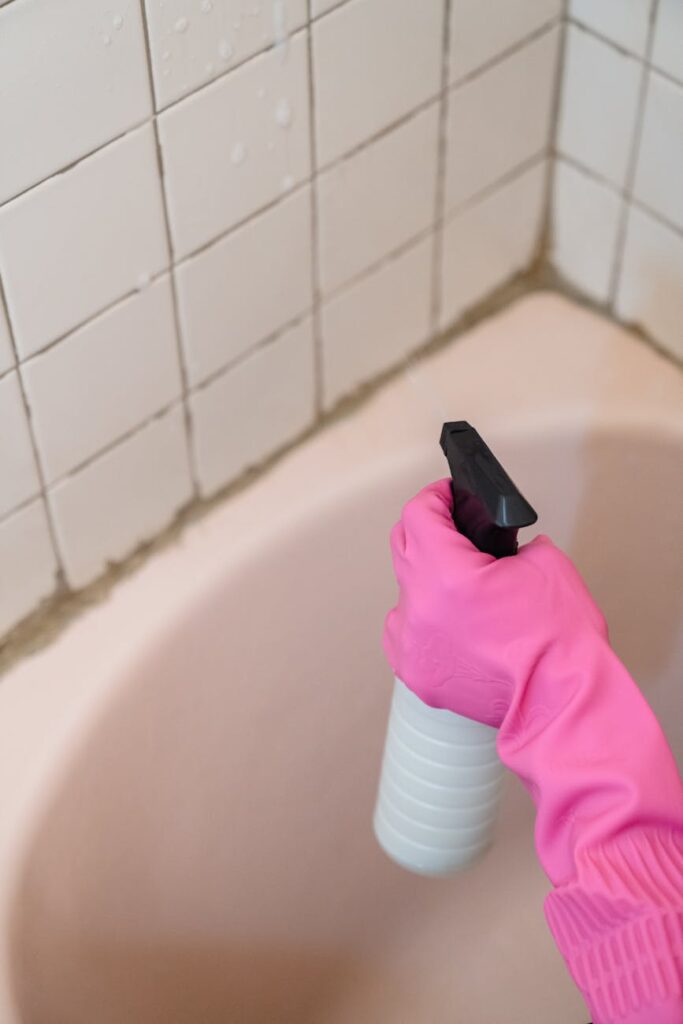
1. Apply Cleaning Solution: Use a spray bottle to apply your chosen cleaning solution to the stained area.
2. Scrub Gently: Use a soft brush or sponge to scrub the stain lightly. Avoid excessive force to prevent damaging the drywall.
3. Rinse: Wipe the area with a damp cloth to remove any cleaning solution residue.
4. Dry Thoroughly: Use towels to dry the area completely to prevent further mold growth.
Step 4: Inspect for Damage
After cleaning, check for any damage. If the drywall is severely affected, you may need to replace it entirely.
Step 5: Repaint (if necessary)
If the stain persists after cleaning, consider repainting the area:
1. Use a mold-resistant primer.
2. Choose a mildew-resistant paint for added protection.
Best Cleaning Methods
Here are some effective cleaning solutions for moldy ceiling corner stains:
1. Vinegar Solution: Mix equal parts of white vinegar and water. Vinegar is a natural mold killer and is safe for most surfaces.
2. Bleach Solution: Mix one cup of bleach with a gallon of water. This is effective but be cautious of fumes and discoloration.
3. Baking Soda Paste: Mix baking soda and water into a paste. Apply it to the stains and let it sit for 10-15 minutes before scrubbing.
4. Commercial Mold Removers: Look for products specifically designed to combat mold and mildew. Follow the manufacturer’s instructions.
Common Mistakes to Avoid
1. Ignoring the Source: Cleaning the stain without addressing the moisture issue will lead to reoccurrence.
2. Using the Wrong Cleaner: Some cleaners can damage paint or drywall. Always test a small area first.
3. Not Wearing Protective Gear: Mold spores can be harmful. Always wear gloves, a mask, and goggles.
4. Skipping the Drying Process: Mold thrives in moist environments. Ensure the area is completely dry after cleaning.
Prevention Tips
Preventing moldy stains in ceiling corners is about controlling moisture and improving airflow. Here are some tips:
1. Increase Ventilation: Use exhaust fans in kitchens and bathrooms. Open windows when weather permits.
2. Control Humidity: Use a dehumidifier in high-humidity areas.
3. Seal Leaks: Regularly inspect roofs, windows, and plumbing for leaks and seal any gaps.
4. Regular Cleaning: Include ceiling corners in your regular cleaning routine to catch mold early.
Frequently Asked Questions
1. How can I tell if the stain is mold or dirt?
Mold is usually black, green, or brown and may appear fuzzy or slimy. Dirt will look more solid and often appears as a brownish or gray stain.
2. Is it safe to use bleach on mold?
Bleach can effectively kill mold, but it can also discolor surfaces and release harmful fumes. Always ventilate the area and wear protective gear.
3. Can I paint over moldy stains?
No, painting over mold will only cover it temporarily. It’s essential to clean the mold first before repainting.
4. How often should I check for mold in my home?
Regular checks every few months, especially in high-moisture areas like bathrooms, basements, and kitchens, are advisable.
5. What should I do if the mold returns after cleaning?
If mold returns, it may indicate a deeper moisture issue. Investigate possible leaks or consider consulting a professional.
6. Can I remove mold stains from ceilings without professional help?
Yes, many homeowners can effectively remove mold stains with the right cleaning methods and precautions. However, extensive infestations may require professional assistance.
By following this guide, you can effectively tackle and prevent moldy ceiling corner stains, ensuring a cleaner and healthier living environment.