
Moldy Ceiling Corners Kitchen Guide Part 2
Introduction
Mold in kitchen ceiling corners is not just unsightly; it can lead to more significant issues if left untreated. In this guide, we’ll explore the causes of mold growth, how to effectively clean it, and tips for preventing its return. Whether you’re dealing with a small patch or a larger infestation, we provide straightforward, actionable steps to help you reclaim your kitchen.
What Causes Kitchen Mold?
Mold thrives in damp, warm environments, making kitchens prime candidates for growth. Here are the primary culprits:
1. Humidity: High moisture levels from cooking, dishwashing, and even drying clothes can create a conducive environment for mold.
2. Poor Ventilation: Kitchens that are poorly ventilated trap moisture, allowing mold spores to settle and grow.
3. Leaks: Water leaks from roofs or plumbing can lead to mold growth in ceiling corners.
4. Condensation: Temperature differences between warm air and cold ceilings can cause condensation, providing moisture for mold.
Why This Problem Happens
Understanding why mold develops helps homeowners address the underlying issues. Here are several reasons that contribute to mold growth in kitchen corners:
- Cooking Habits: Frequent boiling or frying releases steam, increasing humidity.
- Lack of Airflow: Closed windows and doors limit circulation, trapping moisture.
- Temperature Fluctuations: Using heating or air conditioning can create condensation if not managed properly.
- Old or Damaged Structure: Aging buildings may have hidden leaks or insufficient insulation.
- Protective gloves and mask
- Bucket
- Warm water
- Mild detergent or dish soap
- White vinegar or hydrogen peroxide
- Spray bottle
- Soft cloths or sponges
- Ladder or step stool
- For Mild Mold: Mix one part dish soap with three parts warm water in a bucket.
- For Stubborn Mold: Use a solution of equal parts white vinegar and water or hydrogen peroxide (3% solution) in a spray bottle.
- Ignoring Leaks: Always address leaks promptly; neglect can worsen mold issues.
- Not Ventilating: Keep kitchens well-ventilated during and after cooking to minimize moisture.
- Using Bleach: While effective, bleach can damage surfaces and may not eliminate mold spores.
- Neglecting Routine Checks: Regularly inspect ceilings and corners for signs of mold or moisture.
How to Fix Kitchen Mold (Step-by-Step)
Cleaning mold from ceiling corners requires a methodical approach to ensure complete removal and prevent future growth.
Step 1: Gather Your Supplies
Before starting, collect the following items:
Step 2: Prepare the Area
1. Clear the Space: Remove any items from countertops and nearby areas.
2. Ensure Ventilation: Open windows and turn on exhaust fans to improve airflow.
3. Cover Surfaces: Protect countertops and appliances with drop cloths or old towels.
Step 3: Create the Cleaning Solution
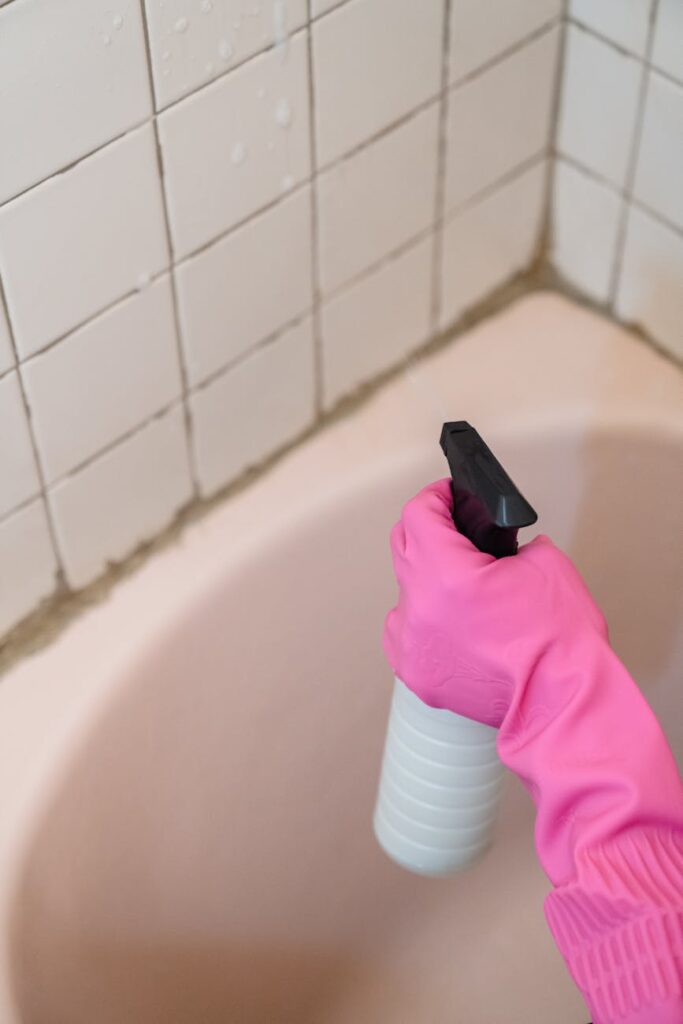
Step 4: Apply the Solution
1. Spray or Soak: Apply your chosen solution directly to the moldy areas.
2. Wait: Allow the solution to sit for 10-15 minutes to penetrate the mold.
Step 5: Scrub the Area
1. Use a Soft Cloth: Gently scrub the moldy area using a cloth or sponge.
2. Rinse: Wipe the area with a clean, damp cloth to remove any residue.
Step 6: Dry Thoroughly
Use a dry cloth or towel to absorb any remaining moisture. This step is crucial for preventing mold from returning.
Step 7: Dispose of Waste
Carefully dispose of any used cleaning materials and wash your gloves. Ensure your cleaning cloths are disinfected or discarded.
Best Cleaning Methods
While there are various methods to tackle mold, some are more effective than others:
1. Vinegar: A natural antifungal, vinegar is effective for mild mold. It’s safe and doesn’t produce harsh fumes.
2. Baking Soda: Combine with water to form a paste for scrubbing. It’s gentle yet effective.
3. Commercial Mold Removers: If DIY solutions don’t work, consider store-bought products specifically designed for mold removal.
4. Steam Cleaning: A steam cleaner can eliminate mold and bacteria without chemicals, but ensure the area dries thoroughly afterward.
Common Mistakes to Avoid
Preventing mold involves not just cleaning but also avoiding common pitfalls:
Prevention Tips
Preventing mold is often easier and less costly than cleaning it. Here are some effective strategies:
1. Control Humidity: Use dehumidifiers or exhaust fans to maintain humidity levels below 50%.
2. Improve Ventilation: Open windows and doors when cooking, and consider installing vents.
3. Seal Leaks: Regularly check for and repair any leaks in plumbing and roofs.
4. Regular Cleaning: Clean kitchen surfaces with vinegar or baking soda regularly to prevent mold spores from settling.
5. Temperature Regulation: Maintain consistent indoor temperatures to reduce condensation risks.
6. Use Mold-Resistant Paint: Consider painting ceilings with mold-resistant paint to inhibit growth.
Frequently Asked Questions
1. Can I use bleach to clean mold?
While bleach can kill mold on non-porous surfaces, it often doesn’t penetrate porous materials and can damage surfaces.
2. How can I tell if the mold is dangerous?
If you experience persistent health issues or if the mold covers a large area, consult a professional for assessment.
3. How often should I check for mold in my kitchen?
Inspect your kitchen monthly, especially after heavy cooking or humidity-inducing activities.
4. What should I do if the mold keeps coming back?
Persistent mold issues may indicate underlying problems like leaks or poor ventilation. Consider hiring a professional to assess the situation.
5. Is it safe to eat food stored near mold?
If food comes into contact with mold or is stored in a moldy environment, it’s best to discard it to avoid health risks.
6. Can I prevent mold with essential oils?
Some essential oils, like tea tree or lavender, have antifungal properties. While they may help deter mold, they should not replace proper cleaning and ventilation.
By following these steps and tips, you can effectively manage and prevent mold in your kitchen ceiling corners, ensuring a clean and healthy cooking environment.