
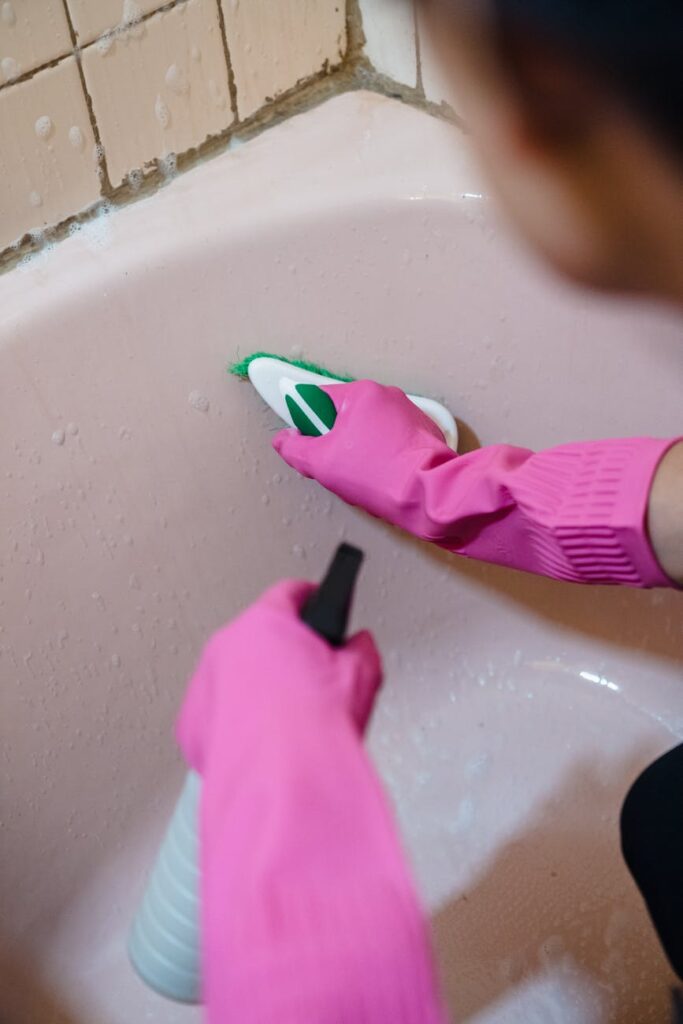
Moldy Bathroom Tiles Stains Guide Part 1
Introduction
Moldy bathroom tiles can be an eyesore and a source of frustration for homeowners. They not only look unappealing but can also lead to more extensive issues if left untreated. This guide will help you understand what causes stains on bathroom tiles, how to fix them, and, most importantly, how to prevent them from returning.
What Causes Stains?
Stains on bathroom tiles are primarily caused by mold, mildew, and soap scum. Here’s a breakdown of these culprits:
- Mold and Mildew: These fungi thrive in damp environments. Bathrooms, especially those without proper ventilation, provide the perfect breeding ground.
- Soap Scum: This residue occurs when soap reacts with minerals in water. It often appears as a filmy layer on tiles, attracting mold and mildew.
- Hard Water: Mineral deposits from hard water can lead to discoloration on tiles, making stains more prominent.
- Humidity: Bathrooms are naturally humid, especially during showers. High humidity levels encourage mold growth.
- Lack of Ventilation: Poor airflow allows moisture to linger, creating an ideal environment for mold and mildew.
- Neglect: Regular cleaning is essential. When tiles are not cleaned frequently, dirt, soap scum, and mold accumulate, creating stubborn stains.
- Tile Material: Certain materials, like porous tiles, are more susceptible to staining than others.
- A bucket
- Warm water
- Mild detergent or dish soap
- Baking soda
- White vinegar
- A scrub brush or sponge
- A spray bottle
- Rubber gloves
- Commercial Mold Removers: If stains persist, consider using a commercial mold and mildew remover. Always follow the manufacturer’s instructions and wear protective gear.
- Steam Cleaning: A steam cleaner can be an excellent option for deep cleaning bathroom tiles and grout. The high temperature kills mold and loosens stains.
- Bleach Solution: A diluted bleach solution (1 part bleach to 10 parts water) can be effective for stubborn stains but must be used with caution. Ensure the area is well-ventilated and never mix bleach with ammonia.
- Neglecting Safety: Always wear gloves and a mask when using strong cleaning agents.
- Overusing Products: More cleaning product doesn’t always mean better results. Follow recommended amounts.
- Ignoring Grout Lines: Mold often hides in grout lines. Be sure to scrub these areas thoroughly.
- Skipping Regular Maintenance: Preventative cleaning is crucial. Don’t wait for stains to appear before you start cleaning.
- Ventilation: Always run the bathroom fan while showering and leave it on for 30 minutes afterward. Open windows when possible.
- Regular Cleaning: Clean tiles and grout at least once a week. This will help prevent buildup.
- Use a Squeegee: After each shower, use a squeegee on tiles to remove excess water that can lead to mold growth.
- Moisture Absorbers: Consider using silica gel packs or moisture-absorbing products in your bathroom to reduce humidity.
Understanding the source of these stains is the first step toward effectively tackling them.
Why This Problem Happens
Several factors contribute to the presence of stains on bathroom tiles:
Understanding these factors can help you take preventive measures and effectively address stains as they arise.
How to Fix Stains (Step-by-Step)
Removing stains from bathroom tiles doesn’t have to be a daunting task. Follow these steps for effective cleaning:
Step 1: Gather Your Supplies
Before you start cleaning, gather the following supplies:
Step 2: Prepare a Cleaning Solution
1. Mix Detergent and Water: In a bucket, combine warm water with a few drops of mild detergent.
2. Make a Baking Soda Paste: In a small bowl, mix baking soda with water to form a thick paste.
3. Vinegar Solution: Fill a spray bottle with equal parts white vinegar and water.
Step 3: Apply the Cleaning Solution
1. Initial Cleaning: Dip the scrub brush or sponge into the soapy water and scrub the stained areas. This will help lift surface grime.
2. Baking Soda Application: Apply the baking soda paste directly to the stains and let it sit for 10-15 minutes.
3. Vinegar Spray: After the baking soda has set, spray the vinegar solution over the paste. You’ll notice a fizzing reaction, which helps break down the stains.
Step 4: Scrub and Rinse
1. Scrub the Area: Using the scrub brush, scrub the stained areas gently. Focus on grout lines and corners where mold tends to accumulate.
2. Rinse Thoroughly: Use clean water to rinse away the cleaning solution and any loosened stains. Ensure no residue is left behind.
Step 5: Dry the Area
After rinsing, wipe down the tiles with a clean, dry cloth to remove excess water. This step is crucial to prevent future mold growth.
Best Cleaning Methods
While the step-by-step guide is effective, there are a few specialized methods worth considering:
Common Mistakes to Avoid
When tackling moldy bathroom tiles, avoid these common pitfalls:
Prevention Tips
Preventing moldy stains on bathroom tiles is easier than dealing with them. Here are some actionable tips:
Frequently Asked Questions
1. How often should I clean my bathroom tiles?
Aim to clean your bathroom tiles at least once a week to prevent mold and mildew buildup.
2. Can I use bleach on colored grout?
Bleach can discolor colored grout, so it’s best to avoid it. Instead, use vinegar or a specialized grout cleaner.
3. What if the stains don’t come out after cleaning?
If stains persist, consider using a commercial mold remover or consulting a professional cleaning service.
4. Is it safe to mix vinegar and baking soda?
Yes, it’s safe. The reaction helps lift stains, but ensure you rinse thoroughly afterward.
5. How can I tell if the stains are mold or just dirt?
Mold usually appears as a dark or greenish stain and may have a fuzzy texture. Dirt tends to be more uniform and flat.
6. Can I prevent mold with essential oils?
Certain essential oils, like tea tree oil, have antifungal properties. Adding a few drops to your cleaning solution can help prevent mold growth.
By following this guide, you’ll be well-equipped to tackle moldy bathroom tile stains effectively. With regular maintenance and the right cleaning methods, you can keep your bathroom looking fresh and clean.