
Moldy Bathroom Tiles Odours Guide Part 1
Introduction
Bathroom tiles can become a breeding ground for mold and mildew, leading to unpleasant odours that can linger long after the initial problem has arisen. This guide will help you understand the causes of these odours, how to fix them, and tips for preventing them in the future. Let’s tackle the issue of moldy bathroom tiles head-on.
What Causes Odours?
Mold and mildew thrive in damp, warm environments, making bathrooms a prime location for these unwanted fungi. The following factors contribute to odours:
1. Excess Moisture: Inadequate ventilation can trap humidity in your bathroom, creating a perfect environment for mold growth.
2. Dirty Grout: Grout lines can accumulate soap scum, dirt, and moisture, providing nutrients for mold.
3. Old Caulk: If the caulk around your tiles is cracked or peeling, it can hold moisture and become a mold reservoir.
4. Standing Water: Water pooling on tiles due to poor drainage can lead to mold growth and associated odours.
Why This Problem Happens
Understanding why odours occur can help you prevent them in the future. Here are some contributing factors:
- Poor Ventilation: Bathrooms often lack windows or proper exhaust fans, making it hard for moisture to escape.
- Temperature Fluctuations: Warm temperatures can accelerate mold growth, especially in poorly ventilated spaces.
- Neglected Cleaning: Regular cleaning can prevent buildup of dirt and moisture, but many homeowners overlook this task.
- Humidity Levels: High humidity levels can lead to condensation on surfaces, further promoting mold growth.
- White vinegar
- Baking soda
- A spray bottle
- Scrub brush or toothbrush
- Microfiber cloths
- Rubber gloves
- A bucket
- Mopping solution (preferably with mold-fighting properties)
- Vinegar: Effective at killing most types of mold and mildew.
- Baking Soda: Neutralizes odours and can be used as a gentle abrasive cleaner.
- Bleach: A strong disinfectant; however, use with caution and ensure proper ventilation.
- Commercial Mold Removers: These products are specifically designed to combat mold and mildew.
How to Fix Odours (Step-by-Step)
Step 1: Gather Your Supplies
You will need:
Step 2: Ventilate the Area
Open windows or turn on the bathroom fan to reduce humidity and improve air circulation.
Step 3: Create a Cleaning Solution
Mix equal parts of white vinegar and water in a spray bottle. This solution will help kill mold and neutralize odours.
Step 4: Apply the Solution
Spray the affected areas, focusing on grout lines and corners. Allow it to sit for 10-15 minutes.
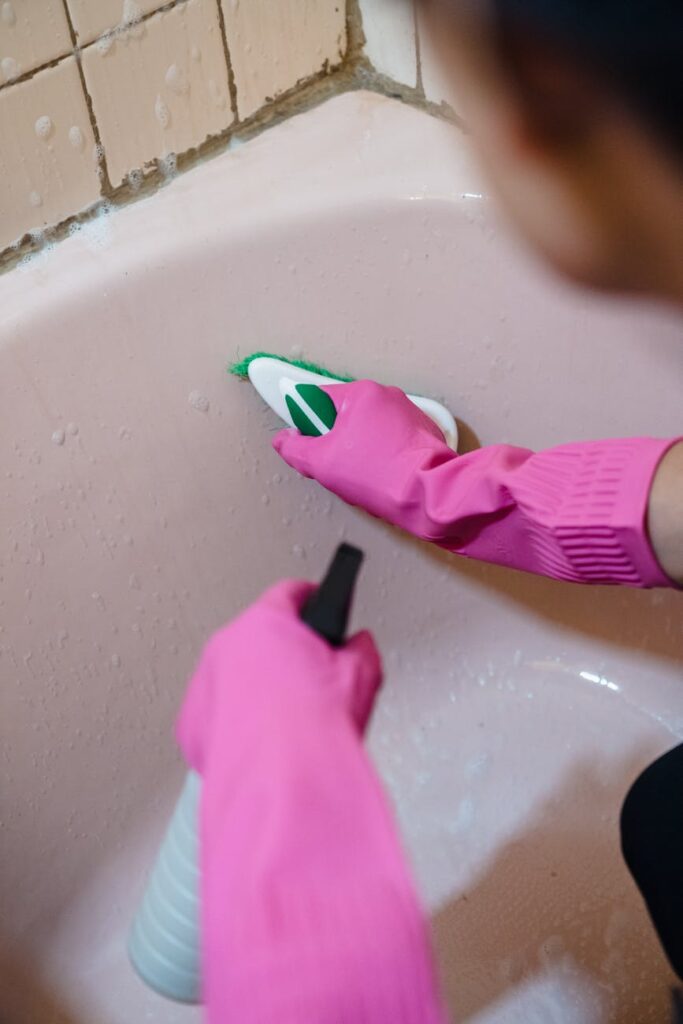
Step 5: Scrub the Area
Using a scrub brush or toothbrush, scrub the tiles and grout to remove mold and mildew. Pay special attention to the grout lines.
Step 6: Rinse Thoroughly
Use a damp microfiber cloth to wipe down the tiles and remove any cleaning solution. Rinse your cloth frequently to avoid spreading mold spores.
Step 7: Dry the Area
Use a dry microfiber cloth to wipe the tiles and grout. Ensure the area is thoroughly dried to prevent future mold growth.
Step 8: Mop the Floor
Finally, mop the bathroom floor with a mold-fighting floor cleaner. This will help eliminate any lingering odours.
Best Cleaning Methods
Natural Solutions
Chemical Solutions
Common Mistakes to Avoid
1. Using Too Much Water: Excess moisture can exacerbate the problem. Always dry surfaces after cleaning.
2. Not Allowing Solutions to Sit: Allow cleaning solutions to sit for the recommended time to break down mold effectively.
3. Neglecting Grout: Many homeowners focus on tiles but ignore grout. Regular cleaning of grout lines is crucial.
4. Overlooking Ventilation: Failing to improve ventilation can lead to recurring issues. Consider installing an exhaust fan if you don’t have one.
5. Ignoring Early Signs: Addressing small patches of mold early can prevent larger infestations and odours down the line.
Prevention Tips
1. Increase Ventilation: Always use an exhaust fan during and after showers. Consider leaving the door open to promote airflow.
2. Regular Cleaning: Clean your bathroom tiles and grout at least once a week to prevent buildup.
3. Seal Grout: Use a grout sealer to create a barrier against moisture and stains.
4. Use a Dehumidifier: If your bathroom is particularly damp, consider using a dehumidifier to reduce humidity levels.
5. Fix Leaks: Repair any plumbing leaks promptly to eliminate sources of excess moisture.
Frequently Asked Questions
1. How often should I clean my bathroom tiles to prevent mouldy odours?
Aim for at least once a week, but increase frequency in humid conditions or if you notice any signs of mold.
2. Can I use bleach on my tiles?
Yes, but use it sparingly and ensure proper ventilation. Always follow the manufacturer’s instructions.
3. What is the best way to dry my bathroom after a shower?
Use an exhaust fan and leave the door open. Wipe down wet surfaces with a towel to remove excess moisture.
4. Are there any natural alternatives to commercial mold removers?
Yes, a mixture of vinegar and baking soda is effective for cleaning mold and mildew.
5. How do I know if my grout needs sealing?
If your grout absorbs water or appears discolored, it may need sealing.
6. Is it safe to mix vinegar and baking soda?
Yes, but do it in small quantities and avoid sealing them in a container, as they can produce carbon dioxide gas.
By following the steps outlined in this guide, you can effectively combat odours from moldy bathroom tiles and maintain a clean, fresh-smelling space. Stay vigilant with regular maintenance to keep your bathroom healthy and odour-free.