
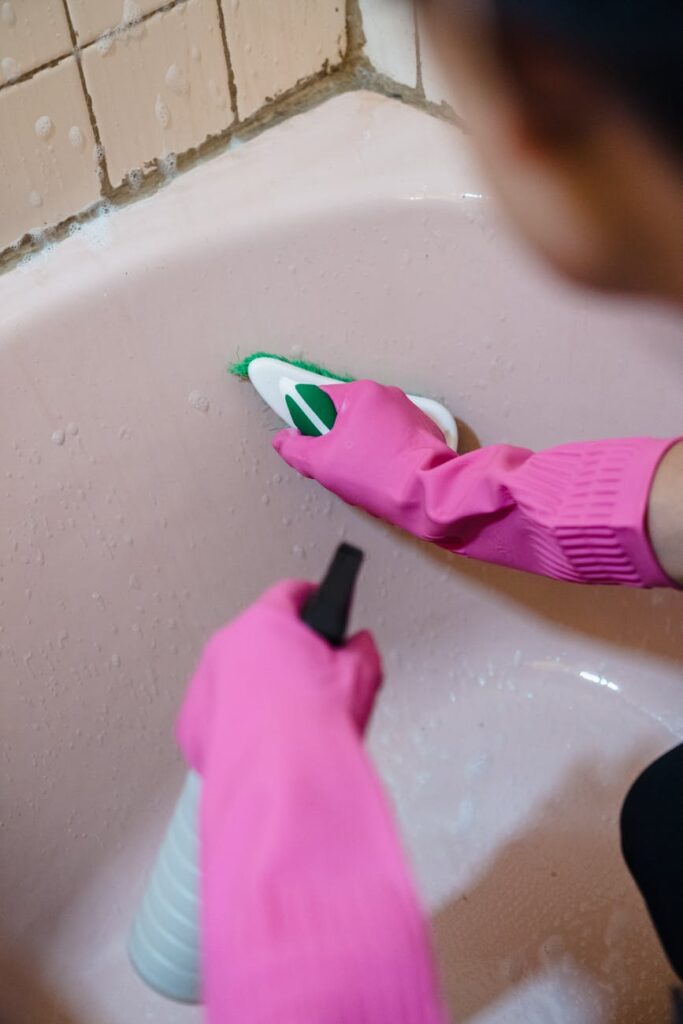
Moldy Bathroom Tiles Laundry Guide Part 1
Introduction
Moldy bathroom tiles can be a nuisance not only for their unsightly appearance but also for the potential health hazards they pose. This guide will walk you through understanding what causes mold on your tiles, how to effectively clean it, and ways to prevent it from returning. By following these practical steps, you’ll ensure a cleaner, healthier bathroom environment.
What Causes Laundry?
The term “laundry” in this context refers to the mold and mildew that can accumulate on bathroom tiles due to excessive moisture. Bathrooms are often humid places, making them ideal breeding grounds for mold. When water is used in showers, baths, or sinks, it can create an environment where mold thrives.
Factors contributing to mold on bathroom tiles include:
- High Humidity: Bathrooms frequently retain moisture, especially without adequate ventilation.
- Poor Drainage: Water pooling on tiles or grout can lead to mold growth.
- Organic Material: Soap scum, hair, and other organic debris can feed mold.
- Infrequent Cleaning: Neglecting regular cleaning allows mold to establish itself.
- Improper ventilation: Lack of exhaust fans or windows can trap moisture.
- Leaky plumbing: Dripping faucets or pipes can create constant dampness.
- Infrequent cleaning: Mold thrives in dirty environments with soap residue.
- Temperature fluctuations: Warm, humid air combined with cooler surfaces can lead to condensation.
- Rubber gloves
- Mask (to avoid inhaling spores)
- Bucket
- Spray bottle
- Soft brush or sponge
- Cleaning solutions (bleach, vinegar, or baking soda)
- Old toothbrush (for grout lines)
- Rags or paper towels
- Ventilate the bathroom: Open windows or doors and turn on the exhaust fan to reduce humidity.
- Remove items: Take away any toiletries, towels, or rugs from the bathroom to prevent contamination.
- Use a soft brush or sponge to scrub the tiles and grout gently.
- For stubborn areas, employ an old toothbrush to get into grout lines.
- Rinse the tiles and grout with warm water to remove any residue from the cleaning solution.
- Wipe down with a clean rag or paper towel.
- Ensure the tiles are completely dry to prevent future mold growth.
- Use a fan or towel to help speed up the drying process.
- Pros: Highly effective at killing mold spores; fast-acting.
- Cons: Can be harsh on surfaces and may discolor grout.
- Pros: Natural, non-toxic, and safe for most surfaces.
- Cons: May take longer to work on heavy mold infestations.
- Combine with water to form a paste. It’s gentle yet abrasive, making it safe for scrubbing.
- Use: Sprinkle on damp areas, scrub, and rinse.
- Pros: Specifically designed for mold treatment; often more potent than home remedies.
- Cons: May contain harsh chemicals and require careful handling.
- Increase Ventilation: Use an exhaust fan during and after showers, or open windows to reduce humidity.
- Regular Cleaning: Clean your bathroom tiles weekly to prevent mold buildup.
- Use Mold-Resistant Products: Consider mold-resistant grout and caulking for added protection.
- Fix Leaks: Repair any plumbing leaks immediately to minimize moisture.
- Squeegee After Use: Use a squeegee after showers to remove water from tiles.
- Control Humidity: Use a dehumidifier if your bathroom tends to stay damp.
Why This Problem Happens
Understanding why mold develops on bathroom tiles is crucial for effective cleaning and prevention. Mold spores are present in the air and can land on damp surfaces, especially in a warm, humid environment. When these spores find suitable conditions—like moisture and organic matter—they begin to grow and multiply rapidly.
Common reasons for mold growth include:
How to Fix Laundry (Step-by-Step)
Cleaning moldy bathroom tiles is a straightforward process. Follow these steps for effective results:
Step 1: Gather Your Supplies
You will need:
Step 2: Prepare the Area
Step 3: Apply Cleaning Solution
Option 1: Bleach Solution
1. Mix one part bleach to three parts water in a spray bottle.
2. Spray the solution directly onto the moldy tiles and grout.
3. Let it sit for 10-15 minutes to penetrate the mold.
Option 2: Vinegar Solution
1. Pour undiluted white vinegar into a spray bottle.
2. Spray it generously on the affected areas.
3. Allow it to sit for at least 30 minutes—vinegar is a natural mold inhibitor.
Step 4: Scrub the Tiles
Step 5: Rinse Thoroughly
Step 6: Dry the Area
Best Cleaning Methods
Different cleaning methods can be effective depending on the severity of the mold. Here are some of the best approaches:
1. Bleach
2. White Vinegar
3. Baking Soda
4. Commercial Mold Removers
Common Mistakes to Avoid
When dealing with moldy bathroom tiles, be mindful of these common pitfalls:
1. Using a Single Cleaning Method: Different mold situations may require different solutions. Don’t hesitate to mix methods if necessary.
2. Not Allowing Enough Dwell Time: Ensure your cleaning solution has enough time to penetrate mold before scrubbing.
3. Skipping Drying: Failing to dry the area can lead to quick regrowth of mold.
4. Using Too Much Water: Excessive moisture during cleaning can exacerbate the problem.
5. Ignoring Grout Lines: Mold often hides in grout. Be thorough in your cleaning efforts.
6. Forgetting About Ventilation: Always ensure proper airflow during and after cleaning to prevent future mold growth.
Prevention Tips
Preventing mold on bathroom tiles is easier than you think. Implement these strategies:
Frequently Asked Questions
1. How often should I clean my bathroom tiles to prevent mold?
Aim for a thorough cleaning at least once a week to keep mold at bay.
2. Can I use essential oils to prevent mold?
Yes, tea tree oil is known for its mold-fighting properties. Mix a few drops with water in a spray bottle as a preventive measure.
3. Is bleach safe for colored grout?
Bleach can discolor colored grout. Test a small, inconspicuous area before application.
4. What if mold keeps coming back?
Persistent mold may indicate an underlying issue like poor ventilation or leaks. Investigate and resolve the root cause.
5. Can I use a steam cleaner on mold?
Yes, steam cleaning can effectively kill mold spores without chemicals, but ensure the area dries completely afterward.
6. Should I wear a mask while cleaning mold?
Yes, wearing a mask can help prevent inhalation of mold spores, especially if you’re sensitive or allergic.
By following these guidelines, you can effectively tackle moldy bathroom tiles, ensuring a cleaner and healthier space for you and your family. Stay tuned for Part 2, where we’ll delve deeper into advanced cleaning techniques and solutions!