
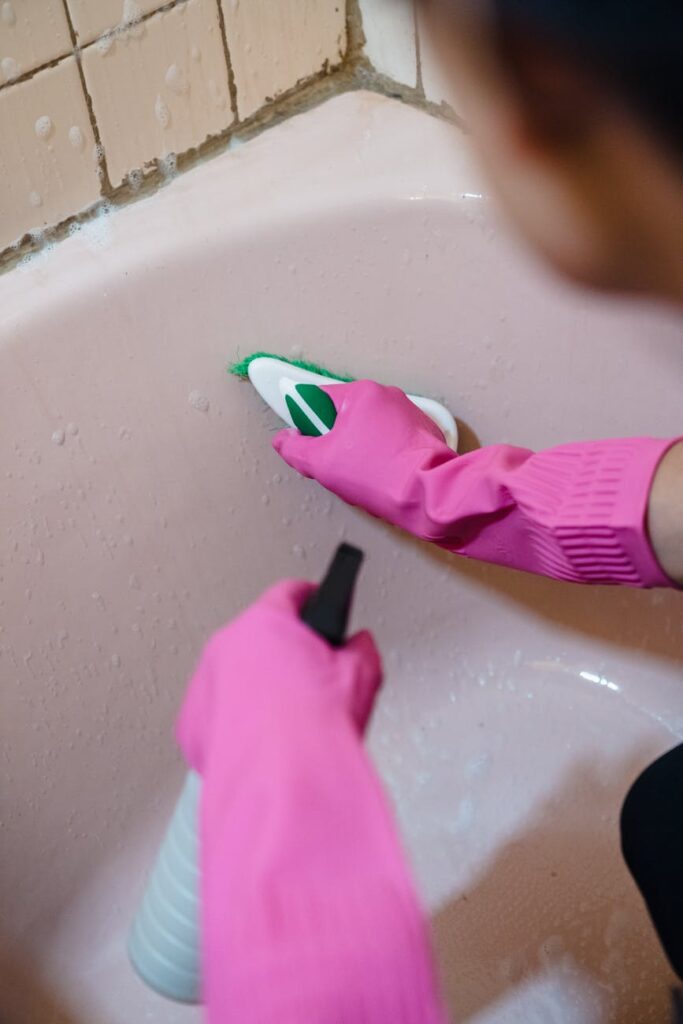
Moldy Bathroom Tiles Cleaning Guide Part 1
Introduction
Moldy bathroom tiles are not just an eyesore; they can lead to health issues and structural damage if left untreated. This guide will help you tackle mold effectively, ensuring your bathroom remains clean and safe.
What Causes Moldy Bathroom Tiles?
Mold thrives in damp environments, making bathrooms a prime location. The primary causes include:
- Humidity: High moisture levels from showers and baths create an ideal breeding ground.
- Poor Ventilation: Inadequate airflow traps moisture, exacerbating mold growth.
- Water Leaks: Leaks from pipes or fixtures can lead to persistent dampness.
- Dirty Surfaces: Soap scum and organic matter provide nutrients for mold.
- Rubber gloves
- Safety goggles
- Mask (optional)
- Scrub brush or sponge
- Bucket
- Spray bottle
- Cleaning solution (store-bought or DIY)
- Ventilate: Open windows and doors to allow fresh air in.
- Remove Items: Take away any toiletries, towels, and decorations to clear the workspace.
- Choose a mold-specific cleaner.
- Follow the instructions on the label for application.
- Mix equal parts of white vinegar and water in a spray bottle.
- Alternatively, create a paste with baking soda and water.
- Spray the cleaning solution onto the affected areas.
- Let it sit for 10-15 minutes.
- Use a scrub brush or sponge to scrub the tiles and grout.
- Rinse the area with warm water to remove the cleaning solution and mold residue.
- Dry the tiles thoroughly with a clean towel to prevent moisture accumulation.
- Clean up any debris, used sponges, or brushes in a sealed bag.
- Wash your gloves and goggles after use.
- Pros: Highly effective at killing mold and bacteria.
- Cons: Can discolor tiles and grouting. Ensure the area is well-ventilated.
- Pros: Natural, non-toxic, and effective against mold.
- Cons: May require multiple applications for severe mold.
- Pros: Gentle abrasive that removes mold without scratching.
- Cons: Slower to show results compared to stronger cleaners.
- Pros: Effective against a wide range of mold types and is less harsh than bleach.
- Cons: Can lighten colored tiles; test a small area first.
Understanding these causes will help you take the necessary steps to eliminate and prevent mold.
Why This Problem Happens
Mold grows quickly in bathrooms due to the combination of moisture, warmth, and darkness. It can appear in various forms, often as black, green, or white patches on tiles, grouting, or caulk. If not addressed promptly, mold can spread, making cleaning more difficult and costly.
How to Fix Moldy Bathroom Tiles (Step-by-Step)
Step 1: Gather Your Supplies
Before you start cleaning, gather the following:
Step 2: Prepare the Area
Step 3: Apply Cleaning Solution
Option 1: Store-Bought Cleaner
Option 2: DIY Solution
Step 4: Scrub the Tiles
Step 5: Rinse and Dry
Step 6: Dispose of Waste
Best Cleaning Methods
Bleach
Vinegar
Baking Soda
Hydrogen Peroxide
Common Mistakes to Avoid
1. Using Too Much Product: More isn’t better. Excess cleaner can leave residue or lead to oversaturation.
2. Neglecting Grout: Mold often hides in grout lines. Be sure to scrub these areas thoroughly.
3. Skipping Safety Gear: Always wear gloves and goggles to protect yourself from harsh chemicals.
4. Not Rinsing Properly: Residue can attract dirt and mold if not rinsed away.
5. Ignoring the Source: Fix leaks and improve ventilation to prevent recurring mold.
6. Delayed Action: The sooner you address mold, the easier it is to clean. Don’t wait for it to spread.
Prevention Tips
1. Improve Ventilation: Use an exhaust fan or open windows during and after showers to reduce humidity.
2. Wipe Down Surfaces: After use, dry tiles and surfaces with a towel to minimize moisture.
3. Seal Grout: Apply a grout sealer regularly to create a barrier against moisture and mold.
4. Use Mold-Resistant Products: Consider mold-resistant paints and caulks for your bathroom.
5. Regular Cleaning: Schedule a weekly cleaning routine to keep mold at bay.
6. Monitor Humidity Levels: Use a hygrometer to keep humidity below 50%.
Frequently Asked Questions
1. How often should I clean my bathroom tiles to prevent mold?
Aim to clean your bathroom tiles at least once a week to keep mold at bay.
2. Can I use vinegar on colored tiles?
Yes, vinegar is safe for most colored tiles, but test a small area first to ensure no discoloration occurs.
3. What’s the best way to prevent mold in my bathroom?
Improving ventilation, wiping down surfaces, and using mold-resistant products are key to prevention.
4. Is bleach safe for all types of tiles?
Bleach is effective but can discolor some tiles. Always test a small, inconspicuous area first.
5. How do I know if I have a mold problem beyond just the tiles?
Look for signs such as musty odors, visible mold growth, or water stains on walls and ceilings.
6. What should I do if mold keeps coming back?
Investigate potential sources of moisture, such as leaks or poor ventilation. You may also need to consult a professional if mold persists.
By following this guide, you can effectively clean and prevent mold on your bathroom tiles, keeping your space safe and hygienic. Stay tuned for Part 2, where we’ll explore more advanced cleaning techniques and solutions.