
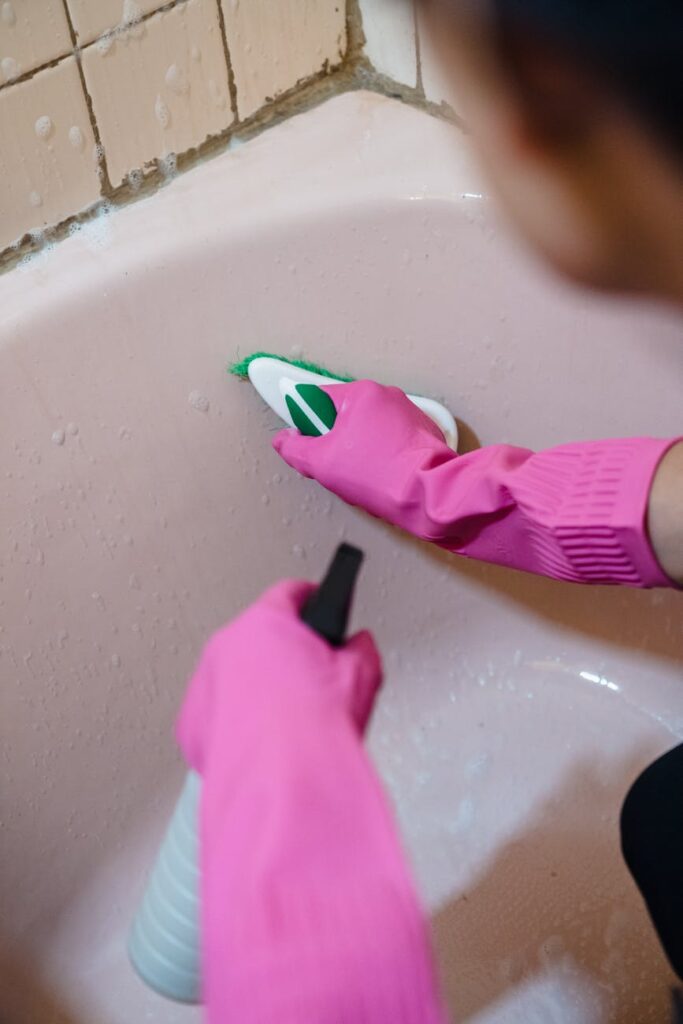
Moldy Bathroom Tiles: Bathroom Guide Part 1
Introduction
Moldy bathroom tiles are not just unsightly; they can also be a source of unpleasant odors and potential health risks. Tackling this issue promptly is essential for maintaining a clean and hygienic bathroom environment. In this guide, we’ll explore the causes of moldy tiles, why it happens, effective cleaning methods, common mistakes to avoid, and tips for prevention.
What Causes Moldy Bathroom Tiles?
Mold thrives in damp, warm environments, making bathrooms a prime location. Here are the common factors that contribute to mold growth on bathroom tiles:
1. Humidity: High humidity levels create the perfect breeding ground for mold.
2. Poor Ventilation: Bathrooms that lack adequate airflow trap moisture.
3. Water Leaks: Leaky pipes or fixtures can introduce excess moisture to tiles.
4. Infrequent Cleaning: Neglecting regular cleaning allows mold spores to settle and grow.
5. Grout Quality: Poor-quality or damaged grout can absorb moisture, promoting mold growth.
Why This Problem Happens
Understanding the root causes of mold on bathroom tiles can help you address the issue effectively. Here’s a deeper look into why these conditions arise:
- Condensation: Showers and baths generate steam, which condenses on surfaces, especially tiles and grout. If the moisture doesn’t evaporate quickly, it can lead to mold.
- Insufficient Airflow: Many bathrooms are closed off and lack windows, making it hard for moisture to escape.
- Neglected Maintenance: Regular upkeep is often overlooked, allowing mold to establish itself.
- Material Quality: Tiles and grout that are not mold-resistant can deteriorate and absorb moisture.
- Rubber gloves
- Face mask
- Scrub brush or sponge
- Bucket
- Spray bottle
- Cleaning solution (store-bought or homemade)
- Old toothbrush (for grout)
- Dry cloth or towel
- Ventilate: Open windows and doors to ensure proper airflow.
- Protect Yourself: Wear rubber gloves and a face mask to avoid inhaling mold spores.
- Spray the solution generously onto the moldy tiles and grout.
- Allow it to sit for 10-15 minutes to break down the mold.
- Use a scrub brush or sponge to scrub the tiles and grout, focusing on the areas with visible mold.
- For stubborn grout stains, use an old toothbrush to get into the crevices.
- Rinse the tiles thoroughly with warm water to remove cleaning solution and mold residue.
- Dry the area with a clean towel to prevent moisture buildup.
- Neglecting Safety Gear: Always wear gloves and a mask to protect yourself from mold exposure.
- Using Too Much Water: Excess water can worsen the mold problem by allowing moisture to seep deeper into grout.
- Skipping Rinsing: Failing to rinse thoroughly can leave cleaning residues, which might attract more dirt and mold.
- Ignoring Grout: Mold can settle in grout lines, so be sure to clean these areas specifically.
How to Fix Moldy Bathroom Tiles (Step-by-Step)
Getting rid of moldy tiles is essential for a clean bathroom. Follow this step-by-step guide to effectively clean your tiles:
Step 1: Gather Your Cleaning Supplies
You will need:
Step 2: Prepare the Area
Step 3: Apply the Cleaning Solution
1. Homemade Solution: Mix equal parts of water and white vinegar in a spray bottle. Alternatively, baking soda mixed with water forms a paste that can effectively combat mold.
2. Store-Bought Cleaner: Use a specialized mold cleaner if you prefer.
Step 4: Spray and Wait
Step 5: Scrub
Step 6: Rinse and Dry
Best Cleaning Methods
Different methods can be effective for cleaning moldy bathroom tiles. Here are some of the best options:
1. Vinegar Solution
Vinegar is a powerful natural disinfectant. Its acidity helps break down mold without harmful chemicals.
2. Baking Soda Paste
Baking soda is gentle yet effective. Mix it with water to create a paste, apply it to the moldy areas, scrub, and rinse.
3. Hydrogen Peroxide
This is an excellent alternative for tougher mold stains. Use a 3% concentration, spray it on the affected area, let it sit, scrub, and rinse.
4. Commercial Mold Cleaners
If natural solutions don’t work, consider using a commercial mold and mildew remover. Always follow the manufacturer’s instructions.
Common Mistakes to Avoid
When cleaning moldy bathroom tiles, avoid these common pitfalls:
Prevention Tips
Preventing mold from returning is just as important as cleaning it. Here are some practical tips:
1. Improve Ventilation: Install an exhaust fan to reduce humidity levels after showers.
2. Regular Cleaning: Clean your bathroom weekly to prevent mold buildup.
3. Check for Leaks: Regularly inspect pipes and fixtures for leaks and fix them promptly.
4. Use Mold-Resistant Products: Consider using mold-resistant paint and grout to help combat moisture.
5. Keep Surfaces Dry: Wipe down tiles and surfaces after each use to reduce moisture.
Frequently Asked Questions
1. How often should I clean my bathroom to prevent mold?
Aim for weekly cleaning to keep mold at bay, increasing frequency during humid months.
2. Can I use bleach on moldy tiles?
While bleach can kill mold, it often doesn’t penetrate grout effectively. Opt for vinegar or baking soda for a more thorough clean.
3. What should I do if the mold returns?
If mold returns after cleaning, assess for underlying issues such as leaks or insufficient ventilation and address them.
4. Is mold harmful to my health?
Mold can cause allergic reactions and respiratory issues. If you experience symptoms, consult a professional.
5. How long does it take for mold to grow on tiles?
Mold can begin to grow within 24-48 hours in the right conditions, so prompt cleaning is essential.
6. Can I prevent mold with essential oils?
Some essential oils, like tea tree oil, have antifungal properties. Adding a few drops to your cleaning solution can help deter mold growth.
Conclusion
Moldy bathroom tiles can be a serious issue, but with the right knowledge and tools, you can tackle this problem effectively. By understanding the causes, employing effective cleaning methods, and taking preventive measures, you can maintain a clean and mold-free bathroom. Stay proactive, and keep your bathroom fresh and inviting!