
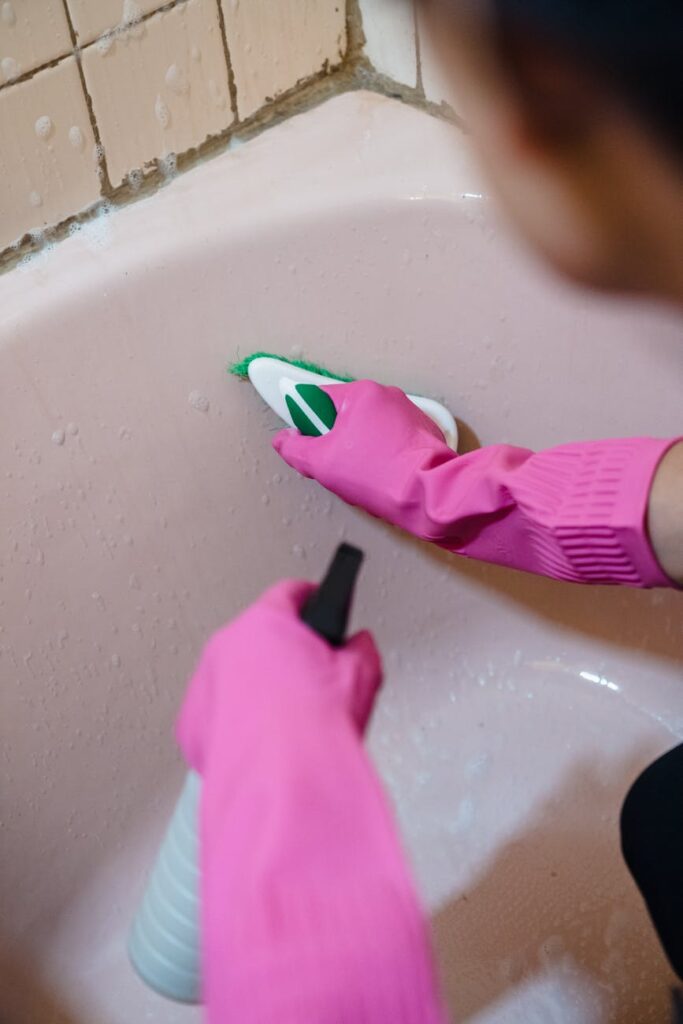
Moldy Bathroom Tiles Appliances Guide Part 1
Introduction
Moldy bathroom tiles can be a significant nuisance in any home, leading to unsightly stains and unpleasant odors. Not only do they diminish the aesthetic appeal of your bathroom, but they can also contribute to a less hygienic living environment. This guide will help you understand the causes of mold on bathroom tiles, how to clean it effectively, and offer tips to prevent it from returning.
What Causes Moldy Bathroom Tiles?
Mold thrives in moist environments, making bathrooms a prime target. Here are the main factors contributing to mold growth on bathroom tiles:
- High Humidity Levels: Bathrooms often have high humidity due to showers and baths, providing an ideal environment for mold.
- Poor Ventilation: Without adequate airflow, moisture accumulates, creating a breeding ground for mold.
- Water Leaks: Leaky faucets, pipes, or showerheads can introduce excess moisture to tiles.
- Dirty Grout: Grout can trap moisture and dirt, creating a habitat for mold.
- Cleaning Solution: Choose an appropriate cleaner, such as vinegar, baking soda, or a commercial mold remover.
- Scrub Brush or Toothbrush: For scrubbing the tiles and grout.
- Spray Bottle: For applying the cleaning solution.
- Gloves: To protect your hands.
- Sponge or Cloth: For wiping down surfaces.
- Bucket: For rinsing and soaking.
- Remove any items around the affected tiles, including shampoo bottles, toiletries, and rugs.
- Ensure good ventilation by opening windows or turning on the exhaust fan.
- If using vinegar, fill a spray bottle with undiluted white vinegar. For baking soda, create a paste with water.
- Spray the solution liberally on the moldy areas and let it sit for at least 10-15 minutes.
- Using your scrub brush or toothbrush, scrub the tiles and grout vigorously. Pay special attention to corners and edges where mold tends to accumulate.
- Rinse the area with clean water using a sponge or cloth. Make sure to remove all cleaning residues.
- Dry the tiles thoroughly with a clean towel to prevent future mold growth.
- Dispose of any used cleaning materials, such as sponges or cloths, to avoid reintroducing mold spores.
- Vinegar and Water: Mixing equal parts vinegar and water in a spray bottle can effectively kill mold. Spray, let sit, and scrub.
- Baking Soda Paste: Combine baking soda with water to form a paste. Apply to moldy areas, let it sit, and scrub.
- Bleach Solution: For severe infestations, a diluted bleach solution (1 cup of bleach in a gallon of water) can be effective. Use cautiously, ensuring proper ventilation.
- Commercial Cleaners: There are many commercial mold removers available that are specifically designed for bathroom use. Follow the manufacturer’s instructions for best results.
- Ignoring the Problem: Mold can spread quickly; addressing it promptly is crucial.
- Using the Wrong Cleaner: Some cleaners can damage tiles or grout; always check compatibility.
- Not Scrubbing Enough: A light wipe won’t remove mold; vigorous scrubbing is often necessary.
- Skipping Drying: Failing to thoroughly dry the area can lead to mold returning quickly.
- Neglecting Grout: Grout is often overlooked but can harbor mold; be sure to clean it thoroughly.
- Improve Ventilation: Install an exhaust fan or keep a window open during and after showers to reduce humidity.
- Use Mold-Resistant Products: Opt for mold-resistant paints and caulks when renovating.
- Regular Cleaning: Clean tiles weekly with a mild cleaner to prevent mold buildup.
- Fix Leaks Promptly: Address any leaks in faucets or pipes immediately to limit moisture.
- Wipe Down Surfaces: After baths or showers, wipe down tiles and surfaces with a towel to remove excess moisture.
Understanding these factors is crucial for addressing mold issues effectively.
Why This Problem Happens
Mold can develop quickly in bathrooms because of the following reasons:
1. Condensation: Steam from hot showers can condense on cool surfaces, including tiles.
2. Infrequent Cleaning: Neglecting regular cleaning allows soap scum and grime to build up, providing nutrients for mold.
3. Temperature Fluctuations: Warm temperatures combined with high humidity create an ideal environment for mold spores to thrive.
4. Improper Tile Installation: Poorly installed tiles can lead to water infiltration behind the tiles, facilitating mold growth.
Recognizing these underlying issues can help you tackle mold problems more effectively.
How to Fix Appliances (Step-by-Step)
If you encounter moldy bathroom tiles, tackling the problem promptly is essential. Follow these steps for effective cleaning:
Step 1: Gather Your Supplies
Step 2: Prepare the Area
Step 3: Apply the Cleaning Solution
Step 4: Scrub the Tiles
Step 5: Rinse and Dry
Step 6: Dispose of Waste
By following these steps, you can effectively clean moldy bathroom tiles and restore their appearance.
Best Cleaning Methods
Here are some of the most effective cleaning methods for moldy bathroom tiles:
Common Mistakes to Avoid
When dealing with moldy bathroom tiles, avoid these common pitfalls:
Prevention Tips
Keeping your bathroom mold-free requires ongoing effort. Here are some effective prevention strategies:
By implementing these preventive measures, you can significantly reduce the likelihood of mold returning.
Frequently Asked Questions
1. How often should I clean my bathroom tiles to prevent mold?
It’s best to clean your bathroom tiles at least once a week to prevent mold buildup.
2. Can I use bleach on all types of tiles?
No, bleach can damage certain tiles, especially natural stone. Always check the manufacturer’s recommendations before using bleach.
3. What is the best way to remove mold from grout?
A baking soda paste or a vinegar solution works well for cleaning grout. Scrubbing is essential for effectiveness.
4. How can I tell if I have a mold problem behind my tiles?
Signs include discoloration, a musty smell, or visible mold growth on tiles or grout.
5. Is it safe to use commercial mold removers in a small bathroom?
Yes, but ensure the area is well-ventilated and follow all safety instructions on the product.
6. What do I do if mold keeps returning after cleaning?
If mold keeps returning, investigate potential underlying issues like leaks or inadequate ventilation, and address them directly.
By following this guide, you can tackle moldy bathroom tiles effectively and keep your bathroom clean and inviting. Stay proactive, and your tiles will remain mold-free for longer!