
Moldy Bathroom Grout Kitchen Guide Part 2
Introduction
Moldy grout in your kitchen can be an unsightly problem that not only affects the aesthetics of your space but can also lead to health issues if left untreated. This guide will help you understand the causes, solutions, and preventive measures to keep your kitchen grout clean and mold-free.
What Causes Kitchen Moldy Grout?
Mold thrives in damp, humid environments, making kitchens a prime target. The following factors contribute to moldy grout:
- High Humidity: Kitchens often have high moisture levels due to cooking and dishwashing.
- Poor Ventilation: Inadequate airflow can trap moisture, creating a perfect environment for mold growth.
- Leaky Pipes: Water leaks behind walls or under sinks can promote mold growth in grout lines.
- Food Residue: Spills and crumbs can provide organic material for mold to feed on.
- Old Grout: Worn or cracked grout is more susceptible to mold infiltration.
- Moisture Accumulation: Regular cooking and washing create steam and water, leading to moisture accumulation.
- Neglect: Infrequent cleaning allows mold spores to settle and multiply.
- Improper Cleaning Products: Using ineffective cleaners can fail to eliminate mold, allowing it to return quickly.
- Environmental Factors: Areas with high humidity or poor air circulation are more prone to mold growth.
- Baking soda
- White vinegar
- Old toothbrush or grout brush
- Spray bottle
- Sponge or cloth
- Rubber gloves
- Protective eyewear (optional)
- Not Allowing Solutions to Sit: Skipping the waiting period reduces the effectiveness of your cleaning solution.
- Using the Wrong Tools: Avoid abrasive brushes that can damage grout. Stick to soft brushes for scrubbing.
- Infrequent Cleaning: Mold can return quickly if you don’t maintain a regular cleaning schedule.
- Ignoring Leaks: Always address any leaks or plumbing issues before cleaning to prevent mold from returning.
- Ventilate: Always use exhaust fans while cooking and open windows when possible to reduce humidity.
- Wipe Down Surfaces: After cooking, wipe down counters and sinks to remove moisture and food particles.
- Seal Grout Lines: Consider applying a grout sealer every six months to protect against moisture penetration.
- Regular Cleaning: Establish a routine cleaning schedule focusing on grout lines to prevent mold build-up.
- Use a Dehumidifier: In particularly humid areas, a dehumidifier can help control moisture levels.
Why This Problem Happens
Understanding why mold develops in your kitchen grout is essential for effective cleaning and prevention. Here are some common reasons:
How to Fix Kitchen Moldy Grout (Step-by-Step)
Step 1: Gather Your Supplies
Before you begin, gather the following supplies:
Step 2: Create a Cleaning Solution
Mix equal parts of white vinegar and water in a spray bottle. For tougher stains, you can make a paste by mixing baking soda with a small amount of water.
Step 3: Apply the Solution
Spray the vinegar solution generously onto the moldy grout. Allow it to sit for at least 10-15 minutes to penetrate the mold.
Step 4: Scrub the Grout
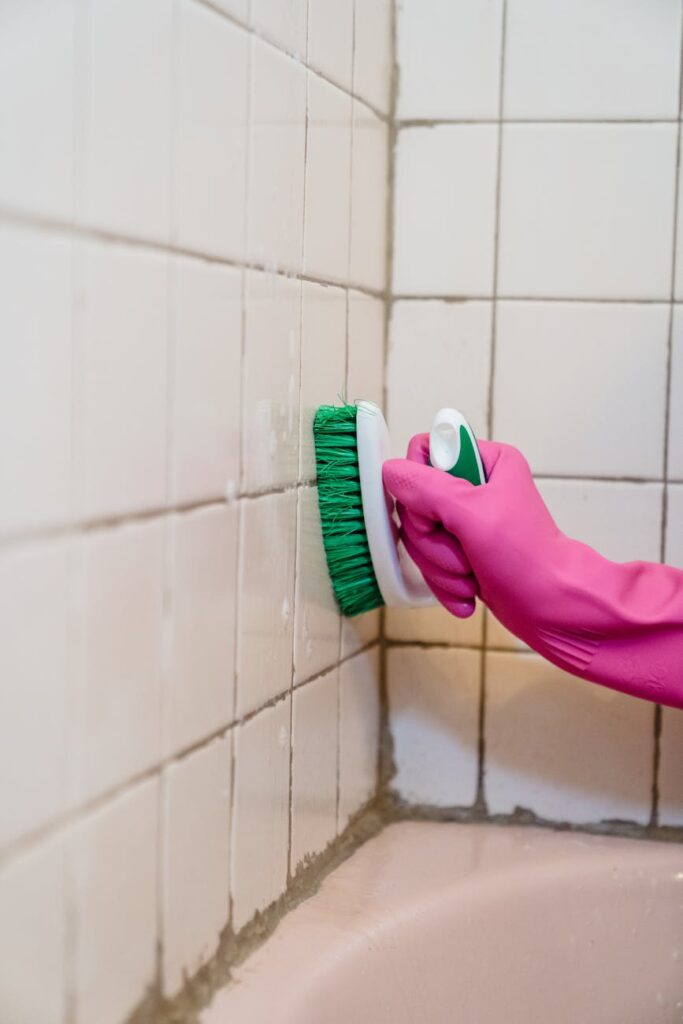
Using an old toothbrush or grout brush, scrub the grout lines vigorously. Focus on areas with visible mold. Rinse the brush frequently to keep it clean.
Step 5: Rinse and Dry
After scrubbing, wipe the grout with a clean sponge dampened in warm water. Ensure all vinegar and baking soda residue is removed. Dry the area thoroughly with a cloth.
Step 6: Inspect and Repeat if Necessary
Check for any remaining mold. If necessary, repeat the process until the grout is clean.
Best Cleaning Methods
Several effective methods can help eliminate mold from kitchen grout:
1. Vinegar and Baking Soda: A potent combination that not only cleans but also deodorizes.
2. Hydrogen Peroxide: Apply 3% hydrogen peroxide directly onto the grout, let it sit for 10 minutes, then scrub and rinse.
3. Commercial Grout Cleaners: If natural methods fail, consider using a commercial grout cleaner designed for mold removal. Follow the manufacturer’s instructions carefully.
4. Steam Cleaning: A steam cleaner can effectively remove mold without the need for harsh chemicals.
Common Mistakes to Avoid
Avoid these pitfalls to ensure effective mold removal:
Prevention Tips
Keeping your kitchen grout mold-free requires ongoing maintenance. Here are some practical tips:
Frequently Asked Questions
1. How often should I clean my kitchen grout?
Aim to clean your grout every month to prevent mold growth.
2. Can I use bleach on moldy grout?
While bleach can kill mold, it may not effectively remove stains and can damage grout over time. Use vinegar or baking soda for a safer option.
3. What should I do if the mold keeps returning?
Check for hidden moisture sources, such as leaks, and address them. Regular cleaning and sealing can also help.
4. Is it safe to mix vinegar and baking soda?
Yes, but they will neutralize each other when mixed. Use them separately for maximum effectiveness.
5. Can I prevent mold without harsh chemicals?
Absolutely! Regular cleaning with natural methods like vinegar and baking soda is effective and safe.
6. What if I have a severe mold problem?
For extensive mold issues, consider consulting a professional mold remediation service.
By following this guide, you can tackle moldy grout in your kitchen effectively and maintain a clean, safe environment. Regular maintenance and proactive steps will help you enjoy a mold-free kitchen for years to come.