
Moldy Bathroom Grout Kitchen Guide Part 1
Introduction
Moldy bathroom grout is not just an eyesore; it can also lead to unpleasant odors and potential health issues. While most people think of mold problems in the bathroom, kitchens can also be breeding grounds for mold, especially in areas with high humidity and poor ventilation. This guide will help you understand the causes, how to effectively clean moldy grout, and how to prevent it from returning.
What Causes Mold in the Kitchen?
Mold thrives in damp and warm environments. In kitchens, mold can develop in areas like:
- Tiles and Grout: Water often splashes onto tiles, especially around sinks and dishwashers.
- Faucets and Sink Areas: Dripping faucets or standing water can create the perfect conditions for mold.
- Sponges and Dishcloths: These items can retain moisture and harbor mold spores.
- Poor Ventilation: Lack of airflow exacerbates humidity levels, making it easier for mold to grow.
- Baking soda
- White vinegar
- A stiff brush or toothbrush
- Spray bottle
- Warm water
- Gloves and a mask (optional for sensitive individuals)
- Apply 3% hydrogen peroxide directly to the moldy grout.
- Let it sit for 10-15 minutes, then scrub and rinse.
- Use a mold remover specifically designed for kitchen surfaces.
- Always follow the manufacturer’s instructions for safety and effectiveness.
- A steam cleaner can effectively kill mold without chemicals.
- Focus on grout lines and corners where mold tends to accumulate.
Why This Problem Happens
Understanding why mold forms in your kitchen is crucial for effective cleaning and prevention. Here are some common reasons:
1. Humidity: Kitchens generate steam from cooking, which contributes to moisture levels.
2. Leaks: Undetected leaks from plumbing can create ideal conditions for mold growth.
3. Infrequent Cleaning: Neglecting routine cleaning allows mold spores to settle and multiply.
4. Organic Material: Food particles and spills can provide nutrients for mold to thrive.
How to Fix Moldy Kitchen Grout (Step-by-Step)
Cleaning moldy grout doesn’t have to be a daunting task. Follow these steps for effective results:
Step 1: Gather Your Supplies
Step 2: Create a Cleaning Solution
1. Baking Soda Paste: Mix baking soda and water to form a thick paste.
2. Vinegar Spray: Fill a spray bottle with equal parts vinegar and warm water.
Step 3: Apply the Cleaning Solutions
1. Baking Soda: Apply the paste directly onto the moldy grout. Be generous and ensure it covers the affected areas.
2. Vinegar: Spray the vinegar solution over the baking soda paste. You’ll notice some fizzing—this reaction helps lift the mold.
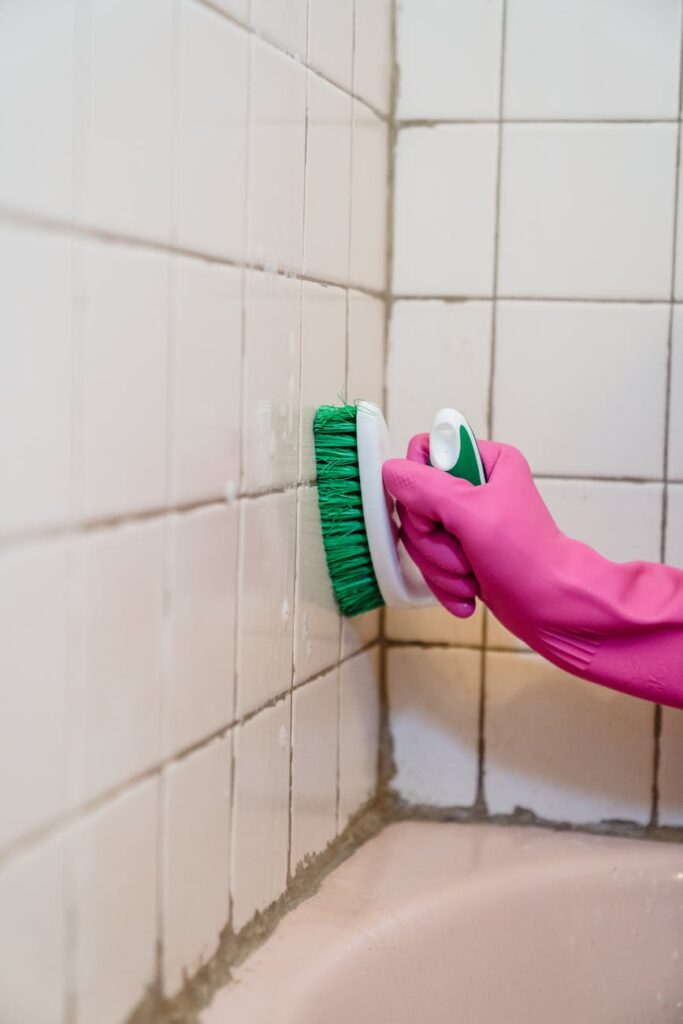
Step 4: Scrub the Area
Using a stiff brush or toothbrush, scrub the grout lines in a circular motion. Pay extra attention to heavily soiled areas.
Step 5: Rinse Thoroughly
After scrubbing, rinse the area with warm water to remove any residue from the cleaning solutions.
Step 6: Dry the Area
Wipe the tiles and grout with a clean, dry cloth. Make sure there is no moisture left, as this will help prevent future mold growth.
Best Cleaning Methods
While the baking soda and vinegar method is effective, here are other cleaning methods you can consider:
1. Hydrogen Peroxide
2. Commercial Mold Removers
3. Steam Cleaning
Common Mistakes to Avoid
To maximize your cleaning efforts, avoid these common pitfalls:
1. Using Bleach: While bleach may kill mold, it doesn’t remove it from porous surfaces like grout, and it can lead to discoloration.
2. Neglecting Ventilation: Failing to ventilate the kitchen while cleaning can trap moisture and continue to foster mold growth.
3. Skipping Regular Maintenance: Neglecting to clean grout regularly can lead to a larger mold problem down the line.
4. Using Too Much Water: Over-saturating the grout can exacerbate mold issues rather than solve them.
Prevention Tips
Preventing mold from returning is just as important as cleaning it. Here are some practical tips:
1. Improve Ventilation: Use exhaust fans or open windows while cooking to reduce humidity.
2. Fix Leaks: Address any plumbing leaks immediately to prevent moisture accumulation.
3. Regularly Clean: Incorporate grout cleaning into your regular cleaning routine.
4. Use Mold-Resistant Products: Consider using mold-resistant grout and caulk in your kitchen renovations.
5. Wipe Down Surfaces: After cooking, wipe down tiles and counters to remove any moisture.
6. Keep Items Dry: Store sponges and dishcloths in a dry area, and wash them regularly.
Frequently Asked Questions
1. How often should I clean my kitchen grout?
Aim to clean your kitchen grout at least every three months, or more frequently if you notice mold growth.
2. Can I use bleach to clean moldy grout?
It’s not recommended. While bleach can kill surface mold, it doesn’t effectively remove it from porous surfaces like grout and can cause discoloration.
3. What can I do if the mold keeps coming back?
If mold returns frequently, check for underlying issues like leaks or inadequate ventilation, and address those problems.
4. Is there a way to prevent mold from forming in the first place?
Yes! Regular cleaning, proper ventilation, and addressing any sources of moisture will help prevent mold growth.
5. Can I use vinegar on colored grout?
Vinegar can be safe for colored grout, but test it on a small, inconspicuous area first to ensure it doesn’t cause discoloration.
6. What’s the best way to store cleaning supplies?
Keep cleaning supplies in a cool, dry place and ensure they are clearly labeled. Store them away from food items to avoid contamination.
By following this guide, you can effectively tackle moldy bathroom grout in your kitchen and maintain a clean, healthy environment. Stay proactive to keep mold at bay!