
Moldy Bathroom Grout Bathroom Guide Part 2
Introduction
Moldy bathroom grout is not just an eyesore; it can also lead to more significant issues if left untreated. Whether you’re preparing for guests or just want a clean, fresh space, tackling moldy grout should be a priority. This guide will help you understand the causes, how to fix the problem step-by-step, and provide valuable tips to keep your bathroom mold-free.
What Causes Bathroom Mold?
Mold thrives in damp, warm environments, which makes bathrooms the perfect breeding ground. Specifically, moldy grout occurs due to:
- High Humidity: Bathrooms often have high humidity levels, especially after showers.
- Poor Ventilation: Lack of airflow can trap moisture, creating an ideal habitat for mold.
- Water Leaks: Any leaks from fixtures can create persistent dampness, encouraging mold growth.
- Old Grout: Aging grout may crack or deteriorate, making it easier for mold to take root.
- Protective gloves
- A mask (to avoid inhaling mold spores)
- Scrub brush or old toothbrush
- Bucket
- Spray bottle
- Cleaning solution (bleach, vinegar, or commercial grout cleaner)
- Rags or paper towels
- Pros: Highly effective against mold and mildew.
- Cons: Can discolor colored grout and is harsh on the environment.
- Pros: Non-toxic, eco-friendly, and effective for light mold.
- Cons: May require more scrubbing for heavy mold.
- Pros: Formulated specifically for grout, often yielding quick results.
- Cons: Can contain harsh chemicals.
- Mix baking soda with water to form a paste. Apply to grout, let sit, then scrub.
Why This Problem Happens
Understanding why mold grows in grout can help you tackle the issue more effectively. Here are some underlying factors:
1. Moisture Retention: Grout is porous, allowing water to seep in and remain trapped.
2. Neglected Cleaning: Regular cleaning is essential; infrequent cleaning can lead to mold buildup.
3. Temperature Variations: Rapid temperature changes can cause condensation, adding to moisture levels.
How to Fix Bathroom Grout (Step-by-Step)
Step 1: Gather Your Supplies
You’ll need the following items:
Step 2: Prepare the Area
1. Ventilate the bathroom by opening windows or using an exhaust fan.
2. Remove any items from the shower or tub area to create a clear workspace.
Step 3: Apply Cleaning Solution
1. Mix your solution: If using bleach, dilute it in a spray bottle (1 part bleach to 10 parts water). For vinegar, you can use it undiluted.
2. Spray the grout generously, ensuring all affected areas are covered.
Step 4: Let It Sit
Allow the cleaning solution to sit for 10-15 minutes. This gives it time to penetrate the mold.
Step 5: Scrub the Grout
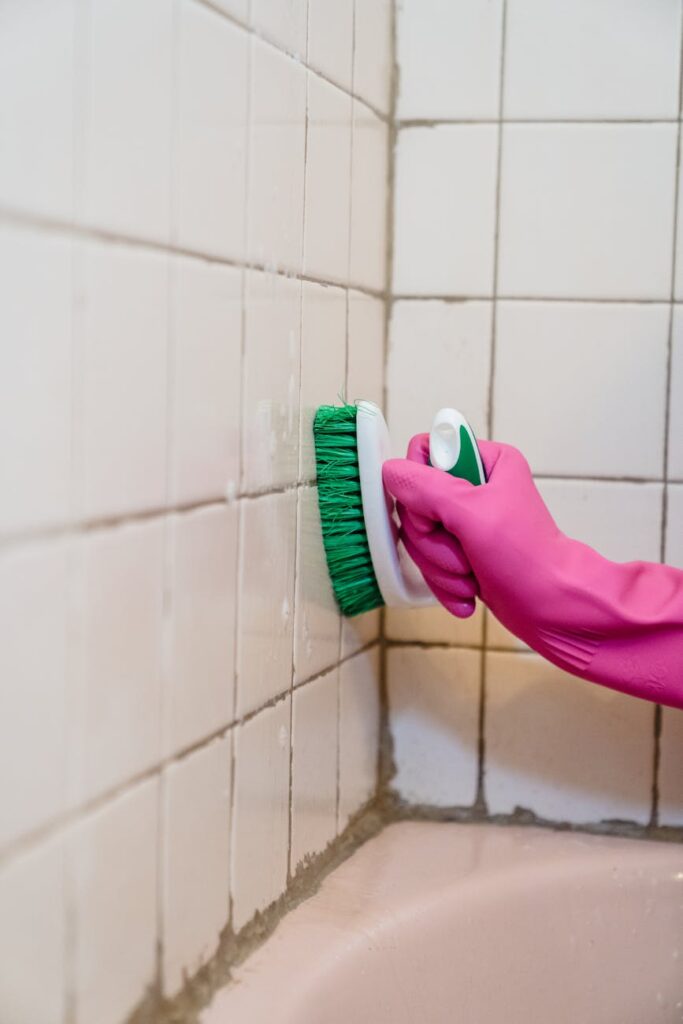
Using your scrub brush or toothbrush, scrub the grout lines vigorously. Focus on areas with visible mold.
Step 6: Rinse and Dry
1. Rinse the area with warm water to remove any residue from the cleaning solution.
2. Dry the grout with rags or paper towels to eliminate any remaining moisture.
Step 7: Seal the Grout (Optional)
Once the grout is completely dry, consider applying a grout sealer to prevent future mold growth.
Best Cleaning Methods
1. Bleach Solution
2. Vinegar
3. Commercial Grout Cleaners
4. Baking Soda Paste
Common Mistakes to Avoid
1. Using Too Much Water: Excessive water can worsen mold issues.
2. Ignoring Ventilation: Always ensure the area is well-ventilated during cleaning.
3. Not Allowing Solutions to Sit: Rushing the process can lead to ineffective cleaning.
4. Neglecting to Use Protective Gear: Always wear gloves and a mask when handling cleaning solutions.
Prevention Tips
1. Ventilate Regularly: Use an exhaust fan or keep windows open to reduce humidity.
2. Wipe Down Surfaces: After showers, use a squeegee or towel to dry surfaces.
3. Seal Grout Regularly: Reapply grout sealer every few years to protect against moisture.
4. Fix Leaks Promptly: Any leaks should be addressed immediately to prevent dampness.
5. Use Dehumidifiers: In particularly humid climates, consider using a dehumidifier.
Frequently Asked Questions
1. How often should I clean my bathroom grout?
Aim to clean your bathroom grout at least once a month to prevent mold buildup.
2. Can I use bleach on colored grout?
It’s best to avoid bleach on colored grout as it can cause discoloration. Use vinegar or a commercial cleaner instead.
3. What’s the best way to prevent mold in the bathroom?
Ensure proper ventilation, wipe down surfaces after use, and fix any leaks promptly.
4. How can I tell if my grout needs sealing?
If water seeps into the grout instead of beading on the surface, it’s time to reseal.
5. Can I use baking soda and vinegar together?
While they are both effective cleaning agents, combining them creates carbon dioxide, which may diminish their effectiveness. Use them separately for best results.
6. What is the best time of year to deep clean my bathroom?
Deep cleaning is effective year-round, but consider doing it in spring or fall when humidity levels are typically lower.
By following these guidelines, you can effectively tackle moldy bathroom grout and maintain a clean, welcoming space. Regular maintenance and vigilance will keep your bathroom looking fresh and mold-free.