
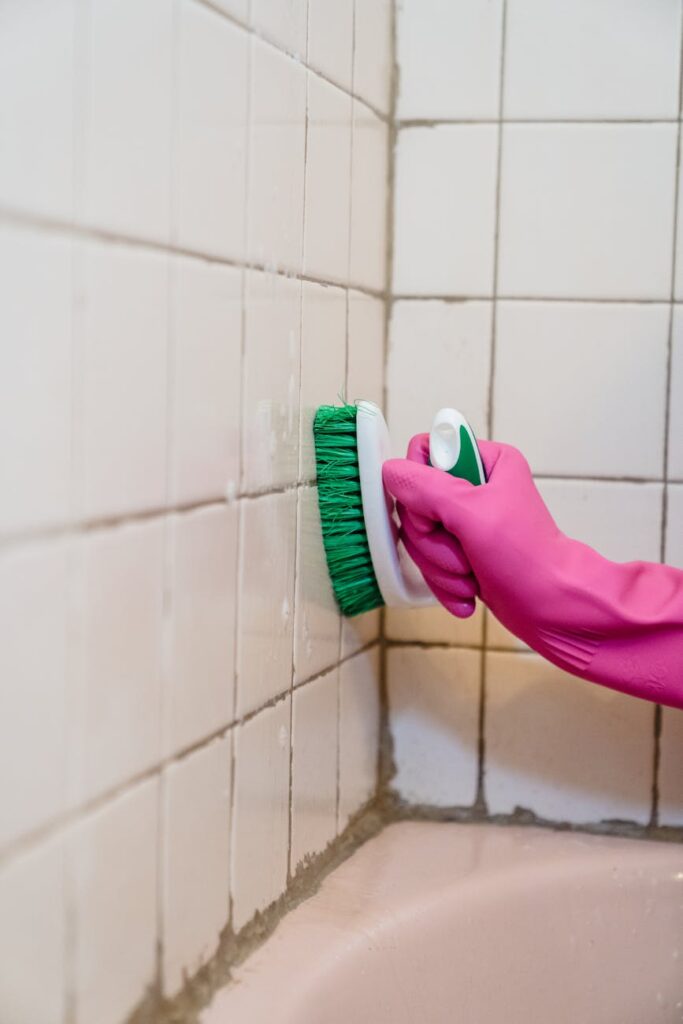
Moldy Bathroom Grout Appliances Guide Part 2
Introduction
Moldy bathroom grout is a common issue many homeowners face, and it can be frustrating to deal with. Often, the appliances we use in our cleaning routines can either contribute to the problem or help resolve it. In this guide, we will explore various appliances that can aid in tackling moldy grout, how to effectively use them, and tips to prevent mold from returning.
What Causes Appliances?
When we talk about “appliances” in the context of moldy bathroom grout, we refer to the tools and devices we use for cleaning. These can range from electric scrubbers to steam cleaners. If these appliances are not used correctly, they may not only fail to remove mold but can also inadvertently create conditions that promote mold growth, such as excess moisture or improper cleaning techniques.
Why This Problem Happens
Mold thrives in damp and dark environments, making bathrooms a prime location. Poor ventilation, humidity, and inadequate cleaning can lead to the growth of mold in grout lines. Appliances that generate moisture—like some steam cleaners—can exacerbate the problem if not used properly.
Additionally, using the wrong cleaning solutions with your appliances can leave residues that attract more dirt and moisture, creating an ideal breeding ground for mold.
How to Fix Appliances (Step-by-Step)
1. Assess Your Cleaning Tools: Identify which cleaning appliances you have. Common ones include:
- Electric scrubbers
- Steam cleaners
- Vacuum cleaners with attachments
- Spray bottles for solutions
- Vinegar: A natural disinfectant
- Baking soda: A mild abrasive
- Commercial mold removers: Ensure they are safe for your grout type
- Electric Scrubber: Attach a soft brush head and scrub the grout lines in a circular motion.
- Steam Cleaner: Use the nozzle attachment to direct steam into the grout. This will help loosen the mold.
- Steam Cleaning: Using a steam cleaner is one of the most effective methods for moldy grout. The high temperature kills mold spores and loosens dirt.
- Electric Scrubbing: An electric scrubber can save you time and effort. It provides consistent pressure and motion, making it easier to tackle tough stains.
- Vinegar and Baking Soda: A mix of vinegar and baking soda can create a powerful cleaning reaction. Apply the baking soda, then spray with vinegar, let it fizz, and scrub after a few minutes.
- Oxygen Bleach: For severe mold cases, oxygen bleach can be effective. It’s safe for colored grout and less harsh than chlorine bleach.
- Neglecting to Test Solutions: Always test any cleaning solution on a small, inconspicuous area of grout to ensure it doesn’t discolor or damage it.
- Using Too Much Water: Excess water can seep into grout lines and promote mold growth. Use just enough to moisten the area.
- Skipping Ventilation: Failing to ventilate the bathroom while cleaning can trap moisture, encouraging mold growth.
- Inconsistent Cleaning: Regular cleaning is key. Don’t wait until mold is visible. Establish a routine to check and clean grout lines.
2. Choose the Right Cleaning Solution: Select a mold-fighting solution compatible with your appliances. Look for:
3. Prepare the Area: Remove any items from around the bathroom to give yourself space to work. Ensure the area is well-ventilated.
4. Apply the Cleaning Solution: Use a spray bottle to apply your chosen solution. Allow it to sit for at least 10-15 minutes to penetrate the mold.
5. Use Your Appliance:
6. Rinse Thoroughly: After scrubbing, rinse the area with warm water to remove any debris and cleaning solution.
7. Dry the Area: Use a towel or squeegee to remove excess water. This step is crucial to prevent mold from returning.
Best Cleaning Methods
Common Mistakes to Avoid
Prevention Tips
1. Improve Ventilation: Use exhaust fans during and after showers to reduce humidity levels.
2. Seal Grout: Apply a grout sealer every 6-12 months to protect against moisture penetration.
3. Regular Cleaning Routine: Establish a weekly cleaning schedule that includes checking grout lines for mold.
4. Use a Squeegee: After each shower, use a squeegee on tile surfaces to remove excess water.
5. Monitor Humidity Levels: Keep humidity levels below 60% in your bathroom using a dehumidifier if necessary.
Frequently Asked Questions
1. How often should I clean my bathroom grout?
Aim to clean your bathroom grout at least once a month to prevent mold buildup.
2. Can I use bleach to clean moldy grout?
While bleach can kill mold, it may not be the best choice for colored grout as it can cause discoloration. Consider using oxygen bleach instead.
3. Is steam cleaning safe for all types of grout?
Most types of grout can withstand steam cleaning, but it’s best to check the manufacturer’s recommendations for your specific grout type.
4. What if the mold keeps coming back?
If mold returns quickly, this may indicate a deeper moisture problem. Check for leaks, improve ventilation, or consult a professional.
5. Can I use commercial mold removers with my electric scrubber?
Yes, but always check the product label to ensure compatibility with your specific appliance.
6. Should I seal my grout after cleaning?
Yes, sealing your grout after a deep clean can help protect it from moisture and mold growth.
By following this guide, homeowners can effectively address moldy bathroom grout using the right appliances and techniques. Regular maintenance and preventative measures will keep your grout clean and mold-free.