
Moldy Bathroom Grout Appliances Guide Part 1
Introduction
Moldy bathroom grout is not only unsightly but can also lead to larger issues if not addressed promptly. It can create an unhealthy environment and diminish the appearance of your home. In this guide, we will focus on the appliances that can help you tackle moldy grout effectively. From steam cleaners to specialized grout cleaners, we will explore how to use these tools to restore your bathroom to its former glory.
What Causes Appliances?
Moldy bathroom grout is primarily caused by a combination of moisture and organic material, which creates the perfect breeding ground for mold. This issue often arises from:
- Poor ventilation: Bathrooms that lack proper airflow can retain humidity, fostering mold growth.
- Water leaks: Dripping faucets or showerheads can contribute to excess moisture.
- Cleaning habits: Infrequent cleaning can allow grime and soap scum to build up, providing food for mold.
- Humidity: Bathrooms are naturally humid spaces. When warm air from showers meets cooler surfaces, condensation occurs, leading to moisture accumulation.
- Material Composition: Grout is porous, meaning it can absorb moisture and dirt, making it easier for mold to take hold.
- Infrequent Cleaning: Regular cleaning can prevent buildup and mold growth. Neglecting this task allows mold spores to settle and thrive.
- Steam cleaner: Ideal for deep cleaning and sanitizing.
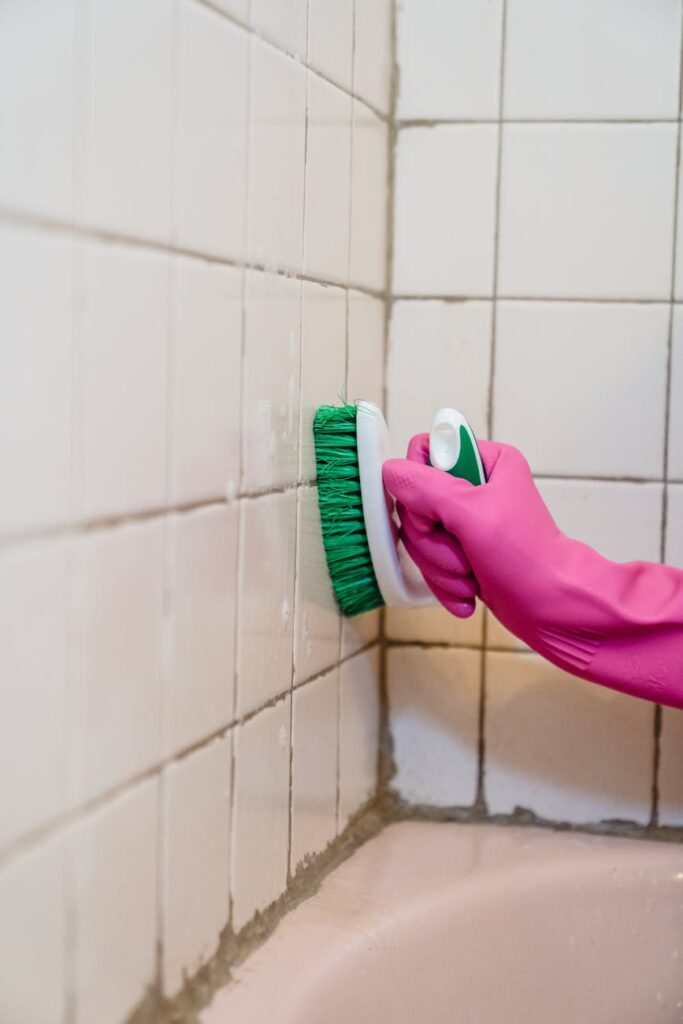
- Grout brush: A stiff-bristled brush for scrubbing.
- Vacuum: To remove loose debris.
- Mold cleaner: A commercial or homemade solution specifically designed for mold removal.
- Clear surfaces: Remove items from countertops and shower areas.
- Ventilate: Open windows or turn on the bathroom fan to improve air circulation.
- Follow instructions: Turn on the steam cleaner and allow it to heat up.
- Focus on grout lines: Move the steam nozzle along the grout lines, allowing the steam to soften the mold and grime.
- Skipping ventilation: Always ventilate the area to prevent mold spores from settling elsewhere.
- Using the wrong products: Ensure your cleaning products are specifically designed for mold and grout. Avoid bleach, as it can damage grout over time.
- Not following instructions: Each appliance has specific operating instructions that need to be followed for best results.
- Regular Cleaning: Clean your bathroom at least once a week. Use a steam cleaner or a mold cleaner regularly.
- Increase Ventilation: Use exhaust fans during and after showers to reduce humidity.
- Seal Grout: Consider applying a grout sealer every year to reduce porosity and moisture absorption.
- Fix Leaks: Address any plumbing issues immediately to prevent water accumulation.
While appliances themselves do not cause mold, they can greatly assist in its removal.
Why This Problem Happens
Understanding why mold develops in bathroom grout can help you tackle the issue effectively. Common reasons include:
By identifying these factors, you can use appliances to counteract these conditions.
How to Fix Appliances (Step-by-Step)
To effectively use appliances for cleaning moldy bathroom grout, follow these steps:
Step 1: Gather Your Tools
Before you start, gather necessary appliances and supplies:
Step 2: Prepare the Area
Step 3: Vacuum the Grout Lines
Using a vacuum with a hose attachment, remove loose dirt and debris from the grout lines. This helps to prepare the surface for deeper cleaning.
Step 4: Apply Mold Cleaner
Spray your chosen mold cleaner on the grout lines. Allow it to sit for 5-10 minutes to penetrate and break down the mold.
Step 5: Use the Steam Cleaner
Step 6: Scrub with a Grout Brush
After steaming, use a grout brush to scrub the lines. Apply some pressure to ensure you’re removing the mold effectively.
Step 7: Rinse and Dry
Rinse the area with clean water and dry it with a towel. Ensure that all moisture is removed to prevent future mold growth.
Best Cleaning Methods
Here are some of the best cleaning methods using appliances for moldy bathroom grout:
Steam Cleaning
Steam cleaners are highly effective for mold removal as they use high temperatures to kill mold spores. They also sanitize surfaces without the need for harsh chemicals.
Electric Scrubbers
These appliances can save time and effort, especially for larger areas. Look for models with interchangeable brushes for various surfaces.
UV-C Light Cleaners
Some appliances use UV-C light to kill mold and bacteria. While they are not a primary cleaning method, they can help maintain a mold-free environment when used regularly.
Common Mistakes to Avoid
When tackling moldy bathroom grout with appliances, avoid these common pitfalls:
Prevention Tips
Preventing mold in your bathroom grout involves a combination of good cleaning habits and the right appliances:
Frequently Asked Questions
1. How often should I clean my bathroom grout?
Aim for a thorough cleaning at least once a week. Regular maintenance can prevent mold buildup.
2. Can I use vinegar to clean grout?
Yes, vinegar can be effective for cleaning grout, but avoid using it on natural stone as it can damage the surface.
3. How do I know if my grout is sealed?
If water beads up on the surface, your grout is likely sealed. If it soaks in, it may need resealing.
4. Are commercial mold cleaners safe to use?
Most commercial cleaners are safe when used as directed. Always wear gloves and ensure good ventilation.
5. Can I use a regular mop to clean grout?
While a regular mop can help with surface cleaning, it is not effective for deep cleaning grout lines.
6. Is steam cleaning safe for all types of grout?
Steam cleaning is generally safe for most grout types, but always check the manufacturer’s recommendations for your specific grout.
By following this guide, you can effectively use appliances to tackle moldy bathroom grout, ensuring a cleaner and healthier home. Stay proactive, and your bathroom will remain mold-free!